Have you ever looked at a charming cottage or a rustic cabin and wondered about the textured, layered look of its roof? You might find yourself searching for the specific term: a thin piece of wood used to cover a roof. It is a common query for homeowners interested in traditional aesthetics or those restoring historic properties. Understanding this material is crucial for making informed decisions about durability, cost, and maintenance.
In this guide, we will demystify wood roofing. We will explore the differences between shingles and shakes, analyze their pros and cons, and provide expert advice on whether this timeless material is right for your home.
What Exactly Is a Thin Piece of Wood Used to Cover a Roof?
When people refer to “a thin piece of wood used to cover a roof,” they are typically talking about wood shingles or wood shakes. While these terms are often used interchangeably in casual conversation, there is a distinct technical difference between the two that affects performance and price.
Wood Shingles vs. Wood Shakes
Understanding this distinction is vital for anyone considering wood roofing.
- Wood Shingles: These are sawn on both sides. They are uniform in thickness, smooth, and taper evenly from the butt (the thick end) to the tip. Because they are machine-cut, they offer a more refined, consistent appearance.
- Wood Shakes: These are traditionally split from logs, usually by hand or machine-assisted splitting. This process creates a rougher, more textured surface with natural variations in thickness. Shakes are generally thicker than shingles and offer a more rugged, rustic aesthetic.
According to industry standards, shakes are often preferred for their durability due to their thickness, while shingles are chosen for their uniformity and lower cost. Both serve the same primary function: protecting the structure from weather while providing natural insulation and visual appeal.
Why Choose Wood Roofing Over Modern Alternatives?
Despite the rise of asphalt, metal, and synthetic composite roofs, wood remains a premium choice for many architects and homeowners. But why?
Natural Insulation and Energy Efficiency
Wood is a natural insulator. Unlike metal, which conducts heat, or asphalt, which can absorb significant solar radiation, wood air pockets provide thermal resistance. This can help keep your home cooler in the summer and warmer in the winter, potentially lowering energy bills.
Aesthetic Appeal and Curb Value
There is an undeniable charm to wood roofing. It ages gracefully, transitioning from a fresh, bright hue to a distinguished silvery-gray patina if left untreated. For homes in wooded areas, mountain regions, or historic districts, wood roofing blends seamlessly with the environment. Real estate data often suggests that high-quality wood roofs can increase curb appeal and property value, particularly in luxury markets.
Environmental Sustainability
For eco-conscious homeowners, wood is a renewable resource. Most wood shingles and shakes are made from Western Red Cedar, White Cedar, or Redwood. These trees are often harvested from sustainably managed forests. Furthermore, at the end of their life cycle, wood roofing materials are biodegradable, unlike asphalt shingles which contribute significantly to landfill waste.
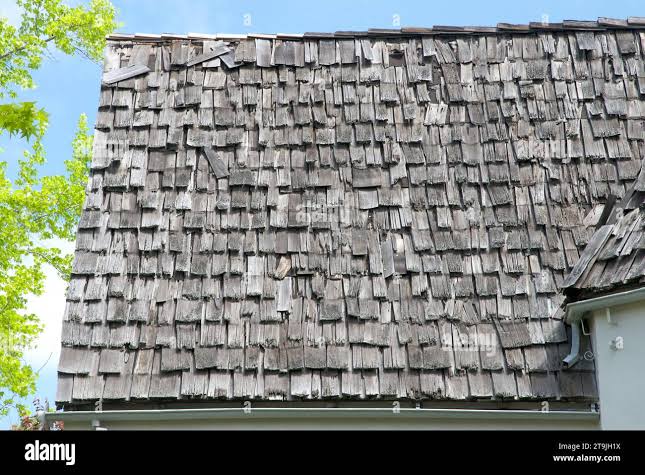
Key Considerations: Durability and Maintenance
While beautiful, wood roofing is not “install and forget.” It requires a proactive approach to maintenance to ensure longevity.
Lifespan Expectations
The lifespan of a wood roof depends heavily on the type of wood, the climate, and maintenance practices.
| Material Type | Average Lifespan | Maintenance Level | Cost Estimate |
|---|---|---|---|
| Cedar Shingles | 20–30 years | Moderate | $$ |
| Cedar Shakes | 30–40+ years | High | $ |
| Asphalt Shingles | 15–20 years | Low | $ |
| Metal Roofing | 40–70 years | Low | $ |
Note: Costs vary significantly by region and installation complexity.
The Moisture Challenge
The biggest enemy of wood roofing is moisture. Without proper ventilation and treatment, wood can rot, warp, or become a breeding ground for moss and algae. In humid climates, this risk is amplified. Homeowners must ensure their roof has adequate airflow underneath the shingles to allow drying after rain or snow.
Fire Resistance Concerns
Historically, wood roofs were considered a fire hazard. However, modern building codes have addressed this. Most wood shingles and shakes sold today are treated with fire-retardant chemicals to achieve a Class A, B, or C fire rating. Class A offers the highest resistance. It is essential to check local building codes, as some wildfire-prone areas may restrict or ban untreated wood roofing entirely.
How to Maintain Your Wood Roof: A Step-by-Step Guide
Proper maintenance can extend the life of your wood roof by decades. Here is a practical routine for homeowners.
- Annual Inspection: Twice a year (spring and fall), inspect your roof from the ground using binoculars. Look for cracked, curled, or missing shingles.
- Clean Debris: Remove leaves, branches, and pine needles. Accumulated debris holds moisture against the wood, accelerating decay. Use a leaf blower or a soft-bristle broom. Never use a pressure washer, as the high pressure can damage the wood fibers and strip away protective treatments.
- Trim Overhanging Branches: Trees touching your roof can scratch the surface and drop debris. Keep branches trimmed back at least 6–10 feet from the roof edge.
- Check for Moss and Algae: If you see green growth, it needs to be addressed. Use a specialized roof cleaning solution designed for wood. Avoid bleach, which can discolor the wood and harm surrounding plants.
- Reapply Protective Stains: Every 3–5 years, consider applying a UV-inhibiting stain or sealant. This helps preserve the color and repels water. For more detailed information on wood properties and preservation, you can refer to resources like Wikipedia’s entry on Wood Preservation.
Common Misconceptions About Wood Roofing
Let’s address some frequent myths that deter homeowners from choosing wood.
- Myth: Wood roofs attract termites.
- Fact: Western Red Cedar and Redwood contain natural tannins and oils that act as insect repellents. While no wood is completely immune, cedar is highly resistant to termites and carpenter ants.
- Myth: They are too expensive to maintain.
- Fact: While maintenance is required, it is not overly complex. Regular cleaning and occasional staining are manageable for most homeowners or local professionals. The long-term aesthetic and insulation benefits often offset the maintenance costs.
- Myth: All wood roofs look the same.
- Fact: The variety is vast. You can choose between handsplit shakes, tapersawn shakes, or smooth shingles. You can also select different grades (Prime, No. 1, No. 2) based on the number of knots and grain straightness.
FAQ Section
1. What is the best type of wood for roofing?
Western Red Cedar is widely considered the best option due to its natural resistance to rot, insects, and warping. It is lightweight, durable, and has excellent insulating properties. White Cedar and Redwood are also popular choices depending on regional availability.
2. How much does a wood shingle roof cost?
The cost varies by location and quality, but generally, you can expect to pay between $6 and $12 per square foot for materials and installation. This is significantly higher than asphalt shingles but comparable to high-end slate or tile.
3. Can I install wood shingles myself?
While DIY is possible for small projects like sheds, roofing a house is complex and dangerous. Improper installation can lead to leaks and void warranties. It is strongly recommended to hire a certified professional with experience in wood roofing to ensure proper nailing patterns, spacing, and underlayment installation.
4. Do wood roofs require special underlayment?
Yes. Standard felt paper may not be sufficient. Many experts recommend using a breathable synthetic underlayment that allows moisture to escape while preventing water intrusion. In some climates, an ice and water shield is also necessary along the eaves.
5. How do I clean my wood roof without damaging it?
Use a low-pressure garden hose and a soft-bristle brush. Apply a cleaner specifically formulated for wood roofs to remove moss, algae, and dirt. Rinse thoroughly. Avoid walking on the roof if possible, as wet wood shingles can be slippery and fragile.
6. Will my insurance cover a wood roof?
Some insurance companies charge higher premiums for wood roofs due to perceived fire risks. However, if your roof has a Class A fire rating, you may qualify for discounts. Always shop around and provide proof of fire treatment to your insurer.
Conclusion
Choosing a thin piece of wood used to cover a roof is more than just a construction decision; it is a commitment to timeless beauty and natural sustainability. Whether you opt for the refined look of sawn shingles or the rugged charm of handsplit shakes, wood roofing offers unique benefits that modern materials struggle to replicate.
By understanding the maintenance requirements and investing in quality installation, you can enjoy a roof that protects your home and enhances its character for decades. If you appreciate the warmth of natural materials and are willing to perform regular upkeep, wood roofing is an excellent investment.
Did you find this guide helpful? Share it with friends who are planning their dream home renovation or follow us on social media for more expert tips on sustainable living and home improvement!
Leave a Reply