Are you standing in your driveway, looking up at your aging shingles, and wondering if it’s time for a change? You are not alone. Many homeowners with mid-sized properties are turning to durable, energy-efficient metal roofing, but the price tag can seem intimidating at first glance. Understanding the average cost of metal roof on 1600 square foot house is the critical first step in making a smart, confident investment in your home’s future.
In this guide, we will break down exactly what you can expect to pay, why prices vary, and how to get the best value for your money without sacrificing quality.
What Is the Average Cost of a Metal Roof on a 1,600 Square Foot House?
When planning your budget, it is essential to distinguish between the size of your home’s living space and the actual size of your roof. However, for estimation purposes, contractors often use the home’s square footage as a baseline, adjusting for pitch and complexity.
For a standard 1,600-square-foot home, the roof area typically ranges from 1,600 to 1,800 square feet, depending on the slope.
The Price Breakdown
On average, you can expect to pay between $9,600 and $24,000 for a complete metal roof installation on a 1,600-square-foot home. This wide range exists because “metal roofing” is a broad category that includes various materials and styles.
- Low-End Estimate: ~$9,600 (Corrugated steel panels, simple roof structure)
- National Average: ~$16,000 (Standing seam aluminum or steel, moderate complexity)
- High-End Estimate: ~$24,000+ (Copper or zinc, complex angles, premium finishes)
Most homeowners spend approximately $6 to $15 per square foot installed. This cost includes materials, labor, underlayment, flashings, and old roof removal.
Pro Tip: Always ask your contractor if their quote is based on “square footage of the home” or “square footage of the roof.” These are two different measurements. A steep roof will have more surface area than a flat one, even if the house footprint is identical.
How Do Different Metal Materials Affect the Price?
Not all metal roofs are created equal. The type of metal you choose is the single biggest factor influencing your final bill. Here is a comparison of the most common materials used in the US market.
| Material Type | Cost Per Sq. Ft. (Installed) | Durability | Best For |
|---|---|---|---|
| Corrugated Steel | $6 – $9 | 20-30 Years | Budget-conscious buyers, barns, sheds |
| Galvalume Steel | $7 – $12 | 30-50 Years | Residential homes, coastal areas |
| Aluminum | $9 – $14 | 40-60 Years | Coastal regions (rust-resistant) |
| Stone-Coated Steel | $10 – $16 | 50+ Years | Homeowners wanting a tile/shingle look |
| Copper/Zinc | $20 – $30+ | 100+ Years | Historic homes, luxury aesthetics |
Steel: The Popular Choice
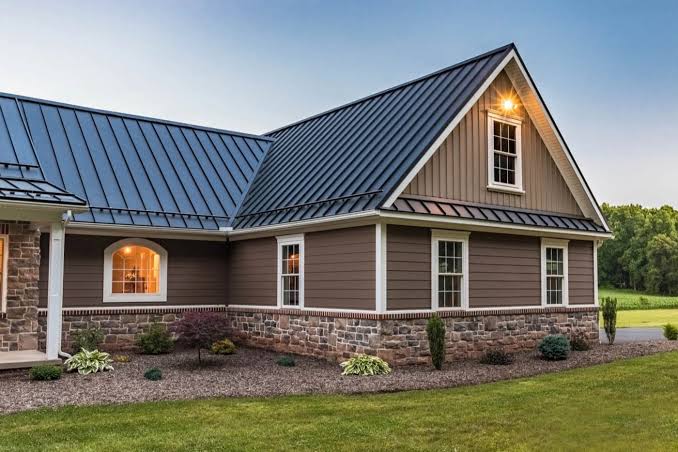
Steel is the most common material for residential metal roofing. It is strong, affordable, and widely available. Galvalume steel, which is coated with a mixture of aluminum and zinc, offers superior corrosion resistance compared to standard galvanized steel.
Aluminum: The Coastal Champion
If you live near the ocean, aluminum is worth the extra cost. Unlike steel, aluminum does not rust. While it is softer and can dent more easily than steel, its longevity in salt-air environments makes it a smarter long-term investment for coastal homeowners.
Copper: The Luxury Option
Copper is incredibly expensive but offers unmatched beauty and longevity. It develops a green patina over time, which actually protects the metal further. For a 1,600-square-foot home, copper is rarely chosen unless the homeowner has a specific architectural vision or unlimited budget.
What Factors Influence Installation Labor Costs?
Labor typically accounts for 40% to 60% of your total project cost. Understanding what drives these costs can help you negotiate better or prepare for unexpected expenses.
1. Roof Pitch and Complexity
A simple gable roof (two sloping sides) is the easiest and cheapest to install. If your 1,600-square-foot home has multiple valleys, dormers, chimneys, or a steep pitch, labor costs will rise significantly. Steep roofs require special safety equipment and slower work pace.
2. Removal of Old Roofing
Most contractors recommend removing the existing shingles before installing metal. This adds $1,000 to $3,000 to your project. While some metal roofs can be installed over existing shingles (“roof-over”), this can void warranties and hide potential deck rot.
3. Geographic Location
Labor rates vary wildly across the US. Installing a roof in New York City or San Francisco will cost significantly more than in rural Ohio or Texas due to higher wages, insurance costs, and demand.
4. Underlayment Quality
Never skimp on underlayment. High-quality synthetic underlayment costs more than felt paper but provides better moisture protection and breathability. This is crucial for preventing condensation issues, a common concern with metal roofs.
Is Metal Roofing Worth the Investment Compared to Asphalt?
This is the most common question homeowners ask. To answer it, we must look beyond the initial price tag and consider Life Cycle Cost.
Initial Cost vs. Longevity
- Asphalt Shingles: Cost $3–$5 per sq. ft. Last 15–20 years.
- Metal Roofing: Costs $6–$15 per sq. ft. Lasts 40–70 years.
While metal costs roughly twice as much upfront, it lasts three to four times longer. You might replace an asphalt roof two or three times during the lifespan of a single metal roof.
Energy Efficiency Savings
Metal roofs reflect solar radiant heat, which can reduce cooling costs by 10–25%. In hot US climates, this can lead to significant savings on air conditioning bills over the years. According to the Energy Star program, reflective roofing materials are a key component of energy-efficient home design.
Resale Value
A new metal roof can increase your home’s resale value. Many buyers appreciate the low maintenance and durability. It is often seen as a “premium” feature that sets your home apart in the real estate market.
Step-by-Step: How to Budget for Your Metal Roof
If you are ready to move forward, follow these steps to ensure you stay within budget.
- Get Three Detailed Quotes: Do not just ask for a total price. Ask for a line-item breakdown including materials, labor, disposal fees, and permit costs.
- Check for Hidden Fees: Ask specifically about charges for flashing around chimneys, vent pipes, and skylights. These are often billed separately.
- Verify Insurance and Licenses: Ensure your contractor is licensed in your state and carries both liability and workers’ compensation insurance.
- Ask About Warranties: Look for two types of warranties:
- Manufacturer Warranty: Covers the material (paint fade, corrosion). Look for 30–50 years.
- Workmanship Warranty: Covers the installation. Look for at least 5–10 years.
- Consider Financing: Many roofing companies offer financing plans. Since metal roofs last decades, spreading the cost over time can make the monthly payment manageable while you enjoy immediate energy savings.
Frequently Asked Questions (FAQ)
1. Can I install a metal roof over my existing shingles?
Yes, it is possible, but it is not always recommended. Installing over shingles saves on removal costs but can trap moisture, leading to rot. It also makes it harder to spot leaks later. Most professional roofers prefer a full tear-off to ensure a clean, dry deck.
2. Will a metal roof be noisy when it rains?
This is a common myth. When installed correctly with solid sheathing and proper insulation, a metal roof is no louder than an asphalt shingle roof. In fact, many homeowners find the sound of rain on metal to be soothing rather than disruptive.
3. Does metal roofing attract lightning?
No. Metal does not attract lightning. Lightning strikes are determined by height and location, not material. If a strike does occur, metal is non-combustible and safely conducts the electricity into the ground, potentially reducing fire risk compared to wood shakes.
4. How long does it take to install a metal roof on a 1,600 sq ft house?
Typically, a professional crew can complete the installation in 2 to 4 days. This depends on the complexity of the roof, weather conditions, and whether the old roof needs to be removed first.
5. What maintenance does a metal roof require?
Metal roofs are very low maintenance. You should inspect them annually for loose fasteners or debris accumulation in valleys. Cleaning gutters regularly is also important. Occasionally, you may need to rinse the roof with water to remove dirt or pollen, but avoid pressure washing, which can damage the paint finish.
Conclusion
Investing in a metal roof for your 1,600-square-foot home is a decision that balances upfront cost with long-term value. While the average cost of metal roof on 1600 square foot house ranges from $9,600 to $24,000, the benefits of durability, energy efficiency, and increased property value make it a compelling choice for modern homeowners.
By understanding the material options, labor factors, and long-term savings, you can approach your roofing project with confidence. Don’t just look at the price tag; look at the lifespan.
Found this guide helpful? Share it with your friends on Facebook or Pinterest who are also considering a home upgrade. Let’s help more people make informed decisions about their homes!
Leave a Reply