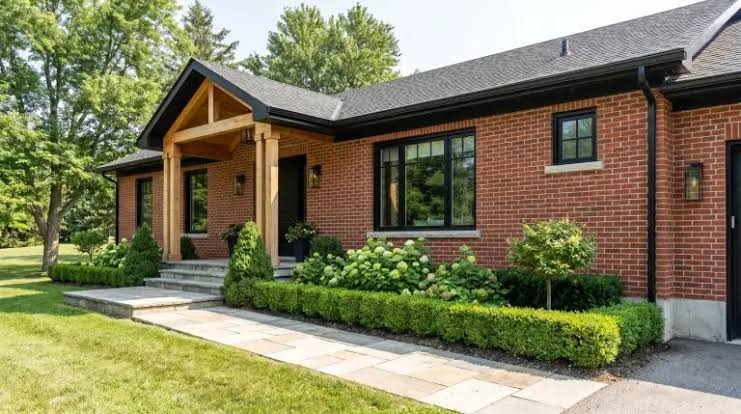
Choosing the right exterior palette can feel overwhelming when you are working with such strong existing elements. You want your home to look cohesive, modern, and inviting, not chaotic or dated. If you are asking what color siding goes with red brick and black roof, you are in the right place to find harmonious and stylish solutions.
The combination of red brick and a black roof is a classic architectural staple, particularly in traditional, colonial, and farmhouse-style homes. The brick provides warmth and texture, while the black roof adds definition and contrast. However, the siding acts as the bridge between these two dominant features. Get it wrong, and the house can look disjointed; get it right, and you create a stunning visual hierarchy that boosts curb appeal and potentially increases property value.
In this guide, we will break down the best color theories, specific paint recommendations, and material choices that complement this powerful duo. We will rely on design principles and expert insights to help you make a confident decision.
Why Neutral Tones Are the Safest Bet
When dealing with red brick, which already has significant visual weight and color variation, neutrality is often your best friend. The goal is to let the brick be the star while the siding supports it.
Cream and Off-White
Creamy whites are arguably the most popular choice for this combination. Unlike stark, bright white—which can sometimes look too clinical against the earthy tones of brick—cream or off-white introduces a subtle warmth. This warmth ties in with the red and orange hues found in the mortar and the bricks themselves.
- Visual Effect: Creates a clean, crisp look that highlights the black roof lines.
- Best For: Traditional Colonial and Cape Cod styles.
- Pro Tip: Look for whites with yellow or beige undertones rather than blue or gray undertones to avoid clashing with the brick.
Light Gray and Greige
“Greige” (a mix of gray and beige) has surged in popularity over the last decade. It offers a modern update to the traditional brick-and-black-roof combo. A light greige siding softens the contrast between the dark roof and the warm brick, creating a sophisticated, transitional aesthetic.
According to recent trends in residential exterior design, neutral palettes account for over 70% of home exterior choices because they appeal to the broadest range of buyers if you plan to sell. A light gray siding provides a contemporary backdrop that makes the red brick pop without competing with it.
Embracing Bold Contrasts
If you prefer a more dramatic or modern look, you might consider darker or bolder siding colors. This approach requires confidence but can yield spectacular results.
Charcoal and Dark Gray
Using a dark charcoal siding creates a monochromatic feel with the black roof, allowing the red brick to stand out as a vibrant accent. This is particularly effective if you have brick accents only on certain parts of the house (like the front facade) and siding on the rest.
- Advantage: Hides dirt and maintenance issues better than light colors.
- Consideration: Dark colors absorb more heat. Ensure your siding material is rated for high thermal performance to prevent warping.
Navy Blue and Forest Green
For those who want color without going too wild, deep navy blue or forest green are excellent choices. These colors are analogous to the natural environment and complement the earthy red of the brick.
- Navy Blue: Offers a nautical or stately vibe. It pairs beautifully with black trim and a black roof.
- Forest Green: Evokes a craftsman or rustic feel. It harmonizes with the natural origins of clay brick.
Material Matters: Vinyl vs. Fiber Cement vs. Wood
The color you choose is only half the battle; the material determines how that color ages and looks in different lighting conditions.
| Material | Durability | Maintenance | Color Retention | Best Use Case |
|---|---|---|---|---|
| Vinyl | High | Low | Good (can fade) | Budget-friendly updates |
| Fiber Cement | Very High | Medium | Excellent | High-end, custom colors |
| Wood | Moderate | High | Requires staining | Historic preservation |
| Engineered Wood | High | Low-Medium | Very Good | Modern farmhouse styles |
Fiber cement, such as HardiePlank, is often recommended by architects for its ability to hold paint longer and resist weathering. It allows for deeper, richer colors that might look flat on vinyl. For more detailed information on building materials and their properties, you can refer to general construction standards on Wikipedia.
Step-by-Step Guide to Testing Your Color Choice
Do not rely solely on digital renderings or paint chips. Real-world lighting changes everything. Follow these steps to ensure your choice works:
- Buy Sample Pots: Purchase small sample sizes of your top three color choices. Do not skimp here; seeing the actual pigment is crucial.
- Prepare Large Swatches: Paint at least a 2×2 foot section on a poster board or directly on an inconspicuous area of your current siding. Small chips are misleading.
- Observe at Different Times: Look at the samples in the morning, noon, and evening light. Red brick can look orange in the sunset and deep burgundy in the shade. Your siding needs to work in all these conditions.
- Check Against Trim: Ensure the siding color also works with your window trim and door color. If your trim is white, does the siding clash with it?
- View from the Street: Stand across the street to see how the house reads as a whole. The black roof should frame the house, not overwhelm it.
Common Mistakes to Avoid
Even with good intentions, homeowners often make these errors when pairing siding with red brick and a black roof:
- Ignoring the Brick’s Undertones: Not all red bricks are the same. Some lean purple, some orange, and some brown. Identify your brick’s dominant undertone before picking a siding color. If your brick is orange-heavy, avoid cool blues. If it is purple-heavy, avoid greens.
- Using Too Many Colors: Stick to the 60-30-10 rule. 60% dominant color (siding), 30% secondary color (brick), and 10% accent color (trim/door). Adding a fourth major color creates visual chaos.
- Neglecting the Landscape: Consider your surrounding trees and garden. A green siding might blend too much with heavy foliage, while a cream siding will stand out beautifully against greenery.
FAQ Section
What is the most popular siding color for red brick houses?
Light neutrals, specifically cream, off-white, and light greige, are the most popular choices. They provide a timeless look that balances the warmth of the brick and the severity of the black roof.
Can I use white siding with a black roof and red brick?
Yes, but avoid pure, stark white. Opt for a “soft white” or “antique white” with warm undertones. Pure white can create a harsh contrast that makes the brick look dull or dirty by comparison.
Does dark siding make a house look smaller?
Visually, yes. Dark colors recede, which can make a large house feel more grounded, but it can make a small house appear smaller. If you have a modest-sized home, lighter siding colors like beige or light gray are generally safer to maintain a sense of volume.
How do I choose siding if my brick has multiple colors?
Look at the mortar color and the most dominant brick hue. If the mortar is light, a lighter siding will create a seamless flow. If the brick has varied tones, pick a siding color that matches the lightest or most neutral tone in the brick to unify the look.
Is it better to match the siding to the roof or the brick?
It is generally better to coordinate with the brick. The roof is a cap, while the siding and brick make up the bulk of the visual mass. Creating harmony between the vertical surfaces (siding and brick) ensures a cohesive look, while the black roof serves as a defining border.
Conclusion
Finding the perfect answer to what color siding goes with red brick and black roof depends on your personal style and the specific undertones of your masonry. However, the safest and most aesthetically pleasing routes are usually warm neutrals like cream, greige, or soft white. For a bolder statement, deep charcoal or navy can create a striking modern contrast.
Remember to test your colors in natural light and consider the material’s longevity. A well-chosen exterior palette not only enhances your daily living experience but also adds significant value to your property.
If you found this guide helpful, please share it on social media to help friends and neighbors tackle their own home improvement projects! Which color combination are you leaning towards? Let us know in the comments below.
Leave a Reply