Tag: Rooftop AC Units

  • Why Are AC Units on Roofs in Las Vegas?

    Why Are AC Units on Roofs in Las Vegas?

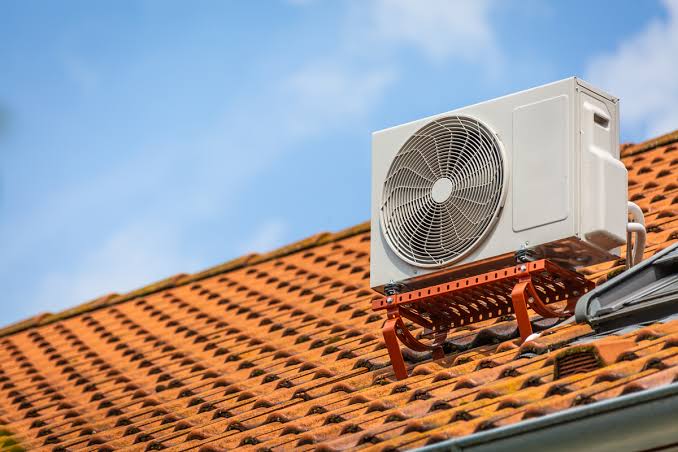
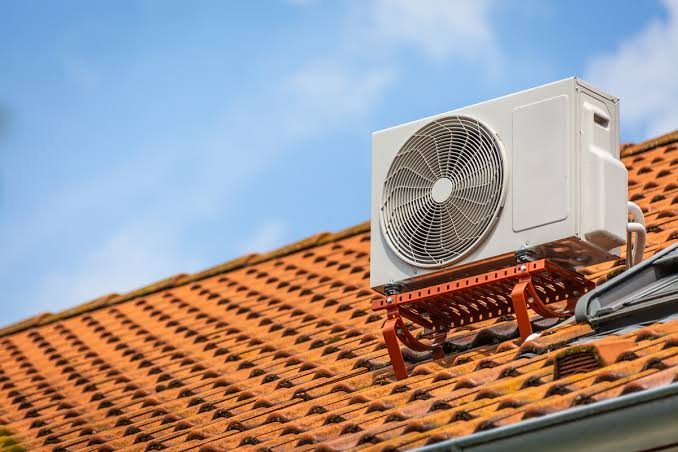
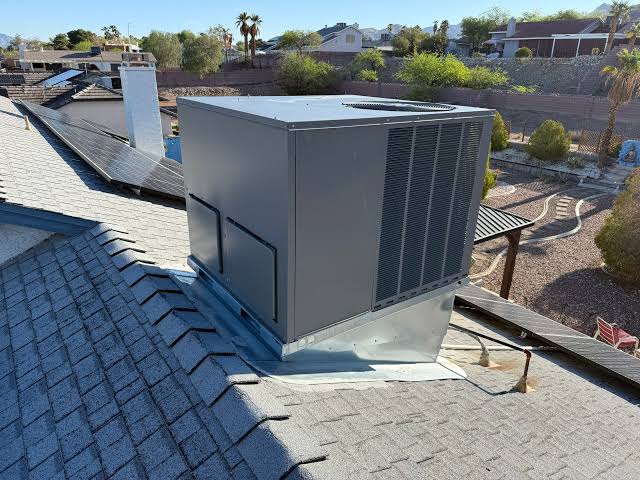
    Have you ever driven through the sprawling suburbs of Nevada and noticed something peculiar? Instead of the familiar humming boxes tucked away in backyards, you see massive units perched precariously on top of homes and businesses. It’s a striking visual that defines the skyline here. If you’ve found yourself asking why are air conditioners on the roof in Las Vegas, you aren’t alone; it is one of the most common questions for newcomers to the Silver State.

    The short answer is a combination of extreme heat management, space optimization, and specific architectural trends. But to truly understand this phenomenon, we need to dig deeper into the engineering logic that keeps Las Vegas cool when temperatures soar above 110°F (43°C).

    The Space-Saving Advantage in Dense Urban Planning

    One of the primary drivers for rooftop installations is simply real estate. In many parts of Las Vegas, particularly in newer master-planned communities like Summerlin or Henderson, lot sizes can be surprisingly compact relative to the square footage of the house.

    Maximizing Yard Utility

    In traditional climates, an outdoor condenser unit sits on a concrete slab in the backyard. However, in Las Vegas:

    • Backyards are premium spaces: Residents want to use their limited outdoor area for pools, patios, and entertainment zones, not industrial machinery.
    • Side yards are narrow: Many modern homes have zero-lot-line designs, leaving no room on the sides for equipment.

    By moving the HVAC system to the roof, homeowners reclaim every inch of ground-level space. This is especially crucial for commercial buildings on the Strip, where every square foot of ground space is valuable for retail or pedestrian traffic.

    Combating the Extreme Desert Heat

    You might think placing an AC unit in the direct sun is counterintuitive. After all, doesn’t heat make ACs work harder? Yes, but the engineering solution lies in airflow and heat dissipation, which are often more efficient at higher elevations.

    Better Air Circulation

    Ground-level units often struggle with “short-cycling” or recirculating their own hot exhaust air if they are boxed in by fences, shrubs, or walls. On the roof:

    1. Unobstructed Airflow: There are no fences or dense landscaping to block air intake.
    2. Wind Assistance: Even slight breezes at roof level help dissipate the heat generated by the condenser coils more effectively than stagnant air at ground level.

    Thermal Separation

    While the roof surface gets hot, the unit itself is elevated. This separation prevents the ground-radiated heat (from asphalt or concrete) from compounding the thermal load on the machine. Modern rooftop units (RTUs) are also built with higher-grade insulation and materials designed to withstand direct UV exposure, unlike some residential split-system condensers.

    Architectural Trends: The Rise of Flat Roofs

    If you look closely, you’ll notice that rooftop ACs are predominantly found on homes with flat or low-slope roofs. This is a distinct architectural style in the Southwest, influenced by:

    • Mid-Century Modernism: A style popularized in Las Vegas during its boom years.
    • Pueblo Revival: Drawing inspiration from traditional adobe structures.
    • Commercial Practicality: Flat roofs are cheaper to build and easier to maintain for large structures.

    Sloped, shingled roofs (common in the Midwest or East Coast) make rooftop installation difficult and prone to leaks. Flat roofs, typically made of torch-down asphalt or foam coating, provide a stable, waterproof platform perfect for heavy HVAC equipment.

    Note: Not all Las Vegas homes have rooftop ACs. Traditional pitched-roof neighborhoods still use ground-mounted split systems. The rooftop trend is specific to flat-roof architecture.
    Why Are Air Conditioners On The Roof In Las Vegas

    Maintenance and Accessibility: A Double-Edged Sword

    From an technician’s perspective, rooftop units offer unique advantages and challenges. Understanding this helps explain why builders continue to choose this method.

    Pros for Technicians

    • No Obstacles: Techs don’t need to navigate around backyard dogs, kids’ toys, or intricate landscaping.
    • Centralized Location: For large commercial buildings, having all units on the roof allows for easier centralized monitoring and maintenance routes.

    Cons for Homeowners

    • Leak Risks: The biggest concern is water intrusion. Every penetration in the roof is a potential leak point. Proper flashing and sealant are critical.
    • Service Difficulty: Technicians require ladders or lifts, which can increase service call costs slightly compared to walking out the back door.

    To mitigate leak risks, reputable HVAC companies in Las Vegas follow strict protocols. They use reinforced curbs and high-quality elastomeric coatings to ensure the roof remains watertight around the unit base.

    Energy Efficiency and Noise Reduction

    Beyond space and heat, there are comfort factors involved.

    Quieter Operations

    An AC compressor is noisy. When placed on the ground near a patio, it can disrupt outdoor conversations. On the roof:

    • Distance: The sound is further away from living areas.
    • Directionality: Noise is directed upward and outward, rather than into a fenced backyard enclosure.

    Efficiency Ratings

    Modern rooftop packaged units often come with high SEER (Seasonal Energy Efficiency Ratio) ratings. Because they are self-contained systems, they eliminate the energy loss associated with long refrigerant lines that run from a ground condenser to an attic air handler. Shorter duct runs from the roof down into the home can sometimes improve overall system efficiency, provided the ductwork is well-insulated against the attic heat.

    Comparison: Rooftop vs. Ground-Mounted AC in Las Vegas

    FeatureRooftop Unit (RTU)Ground-Mounted Split System
    Space UsageSaves yard spaceUses backyard/side yard
    Heat ExposureDirect sun, but better airflowShaded options available
    Noise LevelQuiet at ground levelAudible in backyard
    Maintenance AccessRequires ladder/roof accessEasy ground access
    Leak RiskHigher (roof penetration)None (ground slab)
    Best ForFlat roofs, small lotsPitched roofs, large lots

    External Authority Reference

    For those interested in the broader history of air conditioning technology and its impact on urban development, you can explore detailed historical context on Wikipedia’s page on Air Conditioning. This resource provides insight into how HVAC evolution has shaped modern architecture, including the shift toward integrated rooftop systems in commercial and residential sectors.

    FAQ Section

    1. Do rooftop ACs break down faster in Las Vegas heat?

    Not necessarily. While they are exposed to more sun, they are engineered for it. Most rooftop units have heavy-duty compressors and coils designed for commercial use. With regular maintenance—such as cleaning coils twice a year—they can last just as long as ground units, typically 15–20 years.

    2. Can I install a rooftop AC on my existing pitched roof?

    It is highly discouraged. Installing a heavy unit on a shingled, sloped roof requires significant structural reinforcement and creates a high risk of leaks. It is generally only feasible on flat or very low-slope roofs with proper waterproofing membranes.

    3. Is it more expensive to repair a rooftop AC?

    It can be slightly more expensive. The labor cost may be higher because technicians need to set up ladders or safety harnesses. Additionally, if the unit needs replacement, crane services might be required to lift the new unit onto the roof, adding to the installation cost.

    4. How do I prevent leaks around my rooftop AC unit?

    Regular inspections are key. Ensure your HVAC provider checks the “curb” (the frame the unit sits on) and the flashing annually. Look for cracks in the sealant or pooling water around the base. Applying a fresh coat of elastomeric roof coating every few years can also seal minor gaps.

    5. Why don’t I see rooftop ACs in older Las Vegas neighborhoods?

    Older neighborhoods (built before the 1990s) often feature pitched tile or shingle roofs, which are incompatible with rooftop units. These homes typically use traditional split systems with ground-mounted condensers. The rooftop trend coincided with the rise of flat-roofed, mid-century modern, and contemporary architectural styles in newer developments.

    Conclusion

    So, why are air conditioners on the roof in Las Vegas? It’s a smart adaptation to a unique environment. By moving these essential machines upstairs, residents gain valuable backyard space, reduce noise pollution, and leverage better airflow for cooling efficiency. While it requires diligent maintenance to prevent leaks, the trade-off is a cooler home and a more usable outdoor living area.

    If you’re considering a home in Las Vegas or just curious about the skyline, now you know the logic behind the view. It’s not just an aesthetic choice; it’s a functional necessity born from the desert climate.

    Found this article helpful? Share it with your friends who are planning a move to Vegas or those who are just curious about desert architecture! Let’s keep the conversation going on social media.
  • Why Are AC Units On the Roof in Las Vegas?

    Why Are AC Units On the Roof in Las Vegas?

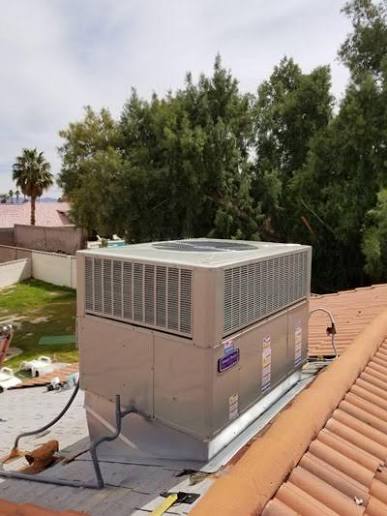
    If you have ever driven through the sprawling suburbs or the bustling downtown area of Las Vegas, you have likely noticed a distinct architectural feature: large, boxy air conditioning units perched atop flat roofs. It is a sight that often puzzles visitors from cooler climates. You might find yourself asking, why are AC units on the roof in Las Vegas? The answer lies in a unique combination of extreme climate challenges, urban density, and engineering efficiency designed specifically for the Mojave Desert environment.

    In this guide, we will break down the technical and practical reasons behind this common practice. Whether you are a new homeowner, a business owner, or simply curious about desert infrastructure, understanding these systems can help you appreciate the ingenuity required to keep Las Vegas cool when temperatures soar above 110°F (43°C).

    Maximizing Limited Space in Urban Environments

    One of the primary drivers for placing HVAC (Heating, Ventilation, and Air Conditioning) systems on the roof is land scarcity. Las Vegas has experienced explosive growth over the past few decades. As the population swells, commercial buildings, casinos, hotels, and even multi-family residential complexes are built closer together.

    The Ground-Space Premium

    In dense urban areas, every square foot of ground-level real estate is valuable. Placing bulky condenser units on the ground would consume parking spaces, reduce landscaping potential, or limit pedestrian walkways. By moving these units to the roof, building owners free up critical ground space for revenue-generating activities or essential amenities.

    • Commercial Efficiency: Casinos and hotels need vast floor plans for gaming and hospitality. Rooftop units ensure that the interior footprint remains uncluttered.
    • Residential Density: In apartment complexes, ground-level units can be noisy and obstructive. Rooftop placement keeps living areas quiet and accessible.

    Superior Heat Dissipation in the Desert Climate

    While it may seem counterintuitive to place heat-generating machinery under the blazing sun, rooftop placement actually offers significant thermodynamic advantages in Las Vegas’s dry climate.

    Avoiding Ground-Level Heat Islands

    Ground-level surfaces, such as asphalt parking lots and concrete sidewalks, absorb solar radiation throughout the day and re-radiate it as heat. This phenomenon, known as the “urban heat island effect,” means that the air near the ground is often significantly hotter than the air just 20–30 feet up.

    By installing AC units on the roof:

    1. Access to Cooler Air: The units draw in ambient air that is slightly cooler than the ground-level air trapped between buildings.
    2. Better Exhaust Dispersion: Hot air expelled by the condensers dissipates more quickly into the open atmosphere rather than getting trapped in narrow alleys or courtyards.

    According to basic principles of thermodynamics, hot air rises. Rooftop units leverage this natural convection, allowing waste heat to escape upward and away from the building’s intake vents, improving overall system efficiency.

    Enhanced Security and Vandalism Prevention

    Las Vegas is a major tourist destination with millions of visitors annually. While generally safe, high-traffic areas pose risks to exposed infrastructure. Ground-level AC units are vulnerable to theft, vandalism, and accidental damage from vehicles.

    Protecting Critical Infrastructure

    Rooftop placement acts as a natural security barrier.

    • Theft Deterrence: Copper coils and motors are valuable targets for scrap metal thieves. Accessing them on a roof requires specialized equipment and effort, deterring opportunistic crime.
    • Accidental Damage: In busy commercial districts, delivery trucks or careless drivers might strike ground-level units. Rooftop units are completely isolated from traffic hazards.

    For businesses, minimizing downtime is crucial. A damaged AC unit in July can halt operations entirely. Rooftop installation reduces the risk of such disruptive incidents.

    Noise Reduction for Indoor Comfort

    Air conditioning compressors are noisy. In a city that never sleeps, maintaining a quiet indoor environment is essential for both residential comfort and hotel guest satisfaction.

    Sound Barrier Benefits

    Placing the noisiest components of the HVAC system on the roof creates a physical distance between the sound source and the occupants.

    • Vertical Separation: Sound intensity decreases as it travels. By placing the unit above the occupied floors, the noise is directed upward into the sky rather than into living rooms or office spaces.
    • Structural Insulation: The roof structure itself acts as a sound buffer. When combined with proper vibration isolators, rooftop units can operate nearly silently from the perspective of those inside.

    This is particularly important for hotels on the Strip, where guests expect tranquility despite the chaotic energy outside.

    Why Are Ac Units On The Roof In Las Vegas

    Ease of Maintenance and Service Access

    Contrary to popular belief, rooftop units can be easier for technicians to service than ground-level units tucked away in cramped mechanical rooms or fenced-in side yards.

    Streamlined Repair Processes

    HVAC professionals in Las Vegas are accustomed to working at heights. Rooftop units offer several logistical benefits:

    1. Unobstructed Access: Technicians do not need to navigate around furniture, landscaping, or parked cars.
    2. Centralized Location: For large commercial buildings, multiple units can be grouped on the roof, allowing a technician to service several systems in one trip without moving between different sides of the building.
    3. Safety Compliance: Modern roofing standards include dedicated walkways and safety anchors, ensuring that maintenance can be performed safely and efficiently.

    However, it is worth noting that regular maintenance is critical. Dust and sandstorms in Las Vegas can clog filters and coils faster than in other regions. Building owners must schedule frequent cleanings to maintain optimal performance.

    Comparison: Rooftop vs. Ground-Level Units in Las Vegas

    To help you visualize the trade-offs, here is a quick comparison of the two installation methods in the context of the Las Vegas climate.

    FeatureRooftop UnitsGround-Level Units
    Space UsageSaves valuable ground spaceConsumes parking/landscaping area
    Heat ExposureExposed to direct sun, but better airflowTrapped in ground-level heat islands
    SecurityHigh (hard to access)Low (vulnerable to theft/vandalism)
    Noise LevelQuiet indoors (sound travels up)Can be noisy if near windows/patios
    MaintenanceRequires roof access/liftsEasy access, but may be obstructed
    CostHigher initial installation costLower initial installation cost

    Understanding the Technology Behind Rooftop Units

    Most rooftop units in Las Vegas are “Package Units.” Unlike split systems where the compressor is outside and the air handler is inside, a package unit contains all components in a single cabinet. This design is ideal for flat-roofed commercial buildings common in Nevada.

    These units are engineered to withstand extreme temperatures. Standard AC units may struggle when ambient temperatures exceed 100°F, but units installed in Las Vegas are often rated for “high ambient” operation. They feature larger condensers and specialized compressors designed to reject heat effectively even in the scorching desert summer.

    For more detailed information on how HVAC systems function thermodynamically, you can refer to the general principles outlined on Wikipedia’s Heating, Ventilation, and Air Conditioning page.

    FAQ Section

    1. Do rooftop AC units work harder in the summer because they are in the sun?

    While they are exposed to direct sunlight, the benefit of accessing cooler upper-air currents and avoiding ground-level heat traps usually outweighs the solar gain. Additionally, modern units are insulated and designed to handle high solar loads. Proper shading structures or reflective coatings can further mitigate solar heat absorption.

    2. Is it more expensive to install AC units on the roof?

    Yes, the initial installation cost is typically higher due to the need for cranes, structural reinforcement of the roof, and specialized labor. However, the long-term benefits in space utilization, security, and noise reduction often provide a better return on investment for commercial properties.

    3. Can residential homes in Las Vegas have rooftop AC units?

    Yes, but it is less common than in commercial buildings. Single-family homes usually have pitched roofs, making rooftop installation difficult. However, some modern custom homes with flat architectural designs do utilize rooftop package units, especially if lot size is small.

    4. How does sand and dust affect rooftop AC units in Las Vegas?

    Sand and dust can clog coils and filters, reducing efficiency and potentially causing overheating. This is why quarterly maintenance is highly recommended in Las Vegas. Technicians will clean the coils and replace filters to ensure the system runs smoothly despite the dusty environment.

    5. What happens if a rooftop unit leaks?

    Roof penetrations for HVAC units are sealed with flashing and waterproof membranes. If a leak occurs, it is usually due to degraded sealing material rather than the unit itself. Regular roof inspections alongside HVAC maintenance can prevent water damage to the building interior.

    Conclusion

    So, why are AC units on the roof in Las Vegas? It is not just a matter of tradition; it is a strategic response to the city’s unique environmental and urban challenges. From maximizing valuable real estate and enhancing security to leveraging cooler upper-air temperatures and reducing noise pollution, rooftop HVAC systems offer a comprehensive solution for keeping the desert city comfortable.

    As Las Vegas continues to grow and temperatures rise due to climate change, the efficiency and resilience of these rooftop systems will remain vital. If you found this explanation helpful, please share it with your friends or colleagues who are curious about desert living! Understanding our infrastructure helps us appreciate the engineering marvels that make life in the Mojave Desert possible.

  • Why Are A C Units On The Roof In Arizona?

    Why Are A C Units On The Roof In Arizona?

    If you have ever driven through Phoenix, Tucson, or Scottsdale, you have likely noticed a distinct architectural feature: large, boxy air conditioning units sitting prominently on top of homes and businesses. It is a curious sight for newcomers, leading many to ask, why are AC units on the roof in Arizona?

    The answer lies in a unique combination of extreme climate challenges, structural engineering, and practical lifestyle needs. In this guide, we will break down the logic behind this regional preference, helping you understand whether a rooftop unit might be the right choice for your property or simply satisfying your curiosity about desert living.

    The Space-Saving Advantage in Dense Urban Areas

    One of the primary drivers for placing HVAC (Heating, Ventilation, and Air Conditioning) systems on the roof is simple real estate economics. In Arizona’s major metropolitan areas, land is at a premium.

    Maximizing Yard Usability

    For residential properties, especially in newer subdivisions or urban infill projects, every square foot of backyard space counts. A traditional ground-level condenser unit requires a concrete pad, clearance space for airflow, and landscaping buffers to hide the noise and visual clutter.

    By moving the unit to the roof:

    • You reclaim yard space for pools, patios, or xeriscaping.
    • You eliminate ground-level noise near bedroom windows or outdoor entertainment areas.
    • You improve curb appeal by removing bulky machinery from the front or side yards.

    This is particularly relevant in Arizona, where outdoor living is a year-round activity due to the mild winters and warm evenings. Homeowners prefer not to have their view of the sunset obstructed by a humming metal box.

    Structural Integrity and Foundation Stability

    Arizona’s soil composition plays a surprising role in HVAC placement. Much of the state sits on expansive clay soils or loose desert sand, which can shift significantly with temperature changes and moisture levels.

    Avoiding Ground Settlement Issues

    Ground-mounted units require a stable concrete slab. However, if the soil shifts—a common occurrence during the monsoon season or after rare heavy rains—the slab can crack or tilt. This misalignment can damage the compressor, reduce efficiency, and void warranties.

    Roof-mounted units, by contrast, are secured to the building’s structural framework. Modern Arizona construction codes require robust roofing structures capable of supporting significant weight loads. By anchoring the unit to the roof trusses or reinforced beams, technicians ensure the system remains level and stable, regardless of ground conditions.

    Expert Insight: According to structural engineers, distributing the weight of an HVAC unit across the roof’s load-bearing walls is often more predictable than relying on isolated ground pads in shifting soil zones.

    Why Are A C Units On The Roof In Arizona

    Enhanced Security and Vandalism Prevention

    While Arizona is generally safe, like any major region, it faces issues with theft and vandalism. Copper is a valuable commodity, and AC units are rich in copper wiring and coils.

    Protecting Your Investment

    Ground-level units are easy targets for thieves looking to strip copper for scrap metal. A rooftop unit is significantly harder to access without specialized equipment like ladders or lifts. This added layer of difficulty acts as a powerful deterrent.

    • Reduced Theft Risk: Thieves are less likely to attempt a roof climb.
    • Less Animal Interference: Ground units often become shelters for snakes, scorpions, and rodents, which can chew through wires. Roof units are far less accessible to local wildlife.

    Improved Air Quality and Debris Management

    The desert environment is dusty. Sandstorms, known locally as “haboobs,” can blanket an area in fine particulate matter in minutes. Additionally, Arizona is home to diverse vegetation, including palo verde trees and mesquite, which shed leaves and flowers.

    Keeping Coils Clean

    Ground-level units are prone to sucking in dust, dirt, and plant debris from the immediate surrounding area. This clogs the condenser coils, forcing the system to work harder and reducing its lifespan.

    Rooftop units benefit from:

    1. Better Airflow: Winds are generally stronger and cleaner at higher elevations.
    2. Less Ground Dust: They are further away from the densest layer of settled dust and kicked-up dirt from foot traffic.
    3. Easier Maintenance Access: While it may seem counterintuitive, technicians often find it easier to clean a unit that isn’t surrounded by overgrown bushes or buried in sand drifts.

    However, it is important to note that roof units still require regular maintenance to remove bird droppings and wind-blown debris.

    Efficiency in Extreme Heat

    Arizona summers are brutal, with temperatures regularly exceeding 110°F (43°C). How does a rooftop location affect performance in such heat?

    The Thermodynamics of Height

    Hot air rises. During the day, the ground surface absorbs solar radiation and becomes significantly hotter than the air just a few feet above it. This phenomenon, known as the urban heat island effect, means that ground-level ambient temperatures can be 5–10 degrees hotter than rooftop temperatures.

    By placing the condenser unit on the roof:

    • The unit draws in slightly cooler air.
    • The heat exchange process is more efficient.
    • The compressor does not have to work as hard to dissipate heat.

    While the difference may seem small, over thousands of hours of operation during an Arizona summer, this efficiency gain translates to lower electricity bills and reduced wear on the system.

    Comparison: Rooftop vs. Ground-Level Units in Arizona

    To help you visualize the trade-offs, here is a quick comparison table:

    FeatureRooftop Unit (RTU)Ground-Level Unit
    Space UsageSaves yard spaceConsumes yard space
    SecurityHigh (hard to access)Low (easy target for theft)
    Noise LevelQuiet indoors/outdoorsAudible near patio/windows
    MaintenanceRequires ladder/safety gearEasy access for technicians
    Heat ExposureSlightly cooler ambient airHotter due to ground radiation
    Installation CostHigher (structural reinforcement)Lower (standard pad)
    LifespanOften longer (less debris)Variable (depends on care)

    Installation Considerations and Safety

    It is crucial to understand that installing an AC unit on a roof is not a DIY project. It requires strict adherence to building codes and safety standards.

    Key Steps for Proper Installation

    1. Structural Assessment: A licensed engineer must verify that the roof can support the static weight of the unit and the dynamic load during high winds.
    2. Reinforcement: Additional framing or steel supports may be needed under the roofing material.
    3. Vibration Isolation: Rubber mounts or springs are installed to prevent vibration from transferring into the house structure, which could cause rattling or cracks.
    4. Weatherproofing: The penetration points for refrigerant lines and electrical conduits must be sealed with high-quality flashing to prevent leaks during monsoon rains.

    For more detailed information on HVAC standards and safety regulations, you can refer to general industry guidelines provided by Wikipedia’s entry on HVAC.

    FAQ Section

    1. Do rooftop AC units leak water into the house?

    No, not if installed correctly. Professional installers use specialized flashing and sealants around all penetrations. Regular roof inspections should include checking these seals, especially after severe weather events.

    2. Are rooftop units louder than ground units?

    Actually, they are often quieter for the occupants inside the home. Since the motor and fan are located above the living space, the noise is directed upward and outward rather than into the backyard or through ground-floor walls.

    3. How do technicians service rooftop units safely?

    HVAC technicians are trained in fall protection and use harnesses, ladders, and sometimes lifts. Reputable companies carry insurance specifically for roof work. Always verify that your HVAC provider is licensed and insured before hiring them.

    4. Can I convert my ground unit to a rooftop unit?

    It is possible but expensive. It involves reinforcing the roof, running new refrigerant lines, and potentially upgrading electrical circuits. For most existing homes, it is more cost-effective to replace the ground unit with a high-efficiency model unless you are undergoing a major renovation.

    5. Do rooftop units last longer in Arizona?

    Generally, yes. Because they are exposed to less ground-level dust, debris, and potential flooding from monsoon rains, rooftop units often experience less corrosion and clogging. However, they are exposed to more intense UV radiation, so protective coatings are recommended.

    Conclusion

    So, why are AC units on the roof in Arizona? It is a smart adaptation to the desert environment. By utilizing rooftop space, homeowners gain valuable yard area, improve security against theft, and benefit from slightly cooler operating temperatures. While the initial installation may be more complex, the long-term benefits in terms of efficiency, cleanliness, and lifestyle quality make it a preferred choice for many Arizonans.

    Whether you are building a new home or considering an upgrade, understanding these factors can help you make an informed decision about your cooling needs.

    Found this guide helpful? Share it with your friends on social media who are puzzling over those rooftop boxes, or leave a comment below with your own experiences with Arizona HVAC systems!

  • Why Are AC Units on Roofs in Arizona?

    Why Are AC Units on Roofs in Arizona?

    If you have ever driven through Phoenix or Tucson, you have likely noticed a distinct architectural feature: large, boxy metal units perched atop residential and commercial buildings. It is a curious sight for newcomers, leading many to ask, why are air conditioning units on the roof in Arizona? The answer lies in a unique combination of extreme heat management, space optimization, and local building codes that differ significantly from other parts of the United States.

    For homeowners in the Grand Canyon State, understanding this setup is not just about curiosity; it is about maintenance, efficiency, and protecting your investment. In this guide, we will break down the engineering logic behind rooftop ACs, debunk common myths, and help you decide if this system is right for your property.

    The Space-Saving Advantage in Dense Urban Areas

    One of the primary drivers for rooftop installations is real estate value. In cities like Phoenix, Scottsdale, and Mesa, land is at a premium. Traditional ground-mounted split systems require a significant footprint in your backyard or side yard. This equipment needs clearance for airflow and maintenance access, which can eat up valuable outdoor living space.

    By moving the condenser unit to the roof, homeowners reclaim their yard. This is particularly beneficial for:

    • Small Lot Homes: Where every square foot of garden or patio matters.
    • Commercial Buildings: Which often lack peripheral space due to parking lots or adjacent structures.
    • Aesthetic Preferences: Many residents prefer not to look at noisy, industrial-looking machinery while enjoying their backyard barbecue.

    This vertical utilization of space allows for better landscape design and keeps the “mechanical eyesore” out of sight and out of mind.

    Enhanced Security and Vandalism Protection

    Arizona’s urban centers have grown rapidly, and with density comes security concerns. Ground-level AC units are vulnerable to theft, vandalism, and accidental damage. Copper coils, in particular, are a target for thieves due to their scrap metal value.

    Placing the unit on the roof adds a natural layer of security. It is significantly harder for opportunistic thieves to access a heavy unit situated 15 or 20 feet in the air. For business owners in downtown Phoenix, this reduces insurance premiums and the risk of costly repairs due to malicious damage. While not entirely theft-proof, the difficulty of access acts as a strong deterrent compared to a unit sitting openly in an alleyway.

    Why Are Air Conditioning Units On The Roof In Arizona

    Efficiency and Airflow in the Desert Heat

    There is a common misconception that rooftop units are less efficient because they are closer to the sun. However, when installed correctly, they can offer superior performance in Arizona’s specific climate.

    Better Air Intake Quality

    Ground-level units often struggle with dust, sand, and debris kicked up by wind or lawn maintenance. In Arizona, where dust storms (haboobs) are frequent, ground units can clog quickly. Rooftop units generally enjoy cleaner air intake, as dust settles closer to the ground. This means:

    1. Less Frequent Cleaning: Coils stay cleaner for longer periods.
    2. Improved Airflow: Unobstructed intake leads to better heat exchange.
    3. Longer Lifespan: Reduced strain on the fan motors and compressors.

    Thermal Dynamics

    While the roof surface gets hot, modern installation practices include raised curbs and insulation barriers that prevent heat transfer from the roof deck to the AC unit. Furthermore, hot air rises. By placing the exhaust high above the ground, the unit expels hot air into an area where it can dissipate more easily, rather than recirculating it in a confined backyard space.

    Structural Integrity and Installation Standards

    You might wonder, “Can my roof hold that weight?” This is a valid concern. In Arizona, building codes are strict regarding rooftop HVAC installations. Engineers must calculate the load-bearing capacity of the roof structure before approval.

    Typically, these units are placed over load-bearing walls or reinforced beams. The installation involves:

    • Steel Curbs: To elevate the unit and provide a stable base.
    • Flashing and Sealants: To prevent water leaks around the penetration points.
    • Vibration Isolators: To prevent the humming of the compressor from transferring into the living space below.

    According to general engineering principles outlined in resources like Wikipedia’s entry on HVAC, proper structural support is critical for any rooftop mechanical equipment to ensure safety and longevity. In Arizona, licensed contractors are well-versed in these requirements, ensuring that your roof remains structurally sound despite the added weight.

    Maintenance Challenges: The Trade-Off

    While there are clear benefits, rooftop AC units come with specific maintenance challenges that Arizona homeowners must accept. You cannot simply walk outside and hose down the coils. Servicing these units requires specialized equipment and trained professionals.

    FeatureGround-Mounted UnitRooftop Unit
    AccessibilityEasy for DIY cleaningRequires professional ladder/lift
    SecurityLow (vulnerable to theft)High (hard to reach)
    Space UsageConsumes yard spaceSaves yard space
    Noise LevelAudible in backyardMuffled by roof/attic
    Installation CostLowerHigher (structural reinforcement)

    Safety First

    Never attempt to climb onto your roof to service an AC unit yourself. The combination of extreme heat, slippery surfaces, and high-voltage electricity makes this extremely dangerous. Always hire a licensed Arizona HVAC technician who has the proper safety gear and insurance.

    Is a Rooftop Unit Right for Your Arizona Home?

    Deciding between a ground-mounted and rooftop unit depends on your specific situation. Consider a rooftop unit if:

    • You have limited yard space.
    • You are concerned about theft or vandalism.
    • You want to reduce noise pollution in your outdoor living areas.
    • Your home’s structure is already reinforced or designed for it (common in flat-roof homes).

    Stick with ground-mounted units if:

    • You have ample side-yard space.
    • You prefer easier, lower-cost maintenance access.
    • Your roof is pitched or not structurally suited for heavy loads without expensive modifications.

    Frequently Asked Questions (FAQ)

    1. Do rooftop AC units cool better than ground units in Arizona?

    Not necessarily “better,” but they can be more consistent. Because they are less prone to dust clogging from ground-level debris, they maintain efficiency longer between cleanings. However, the cooling power depends more on the unit’s SEER rating and proper sizing than its location.

    2. Will a rooftop AC unit damage my roof?

    No, not if installed correctly. Professional installers use flashing, curbs, and sealants designed to withstand Arizona’s intense UV radiation and monsoon rains. Regular roof inspections alongside HVAC maintenance can prevent any potential leaks.

    3. How much does it cost to install a rooftop AC unit in Arizona?

    Installation costs are typically 10–20% higher than ground units due to the need for structural reinforcement, crane usage (if necessary), and complex ductwork routing. However, this can be offset by the increased property usability and security benefits.

    4. Can I convert my ground unit to a rooftop unit?

    It is possible but often impractical for existing homes. It would require significant structural modifications to the roof, new ductwork routing, and electrical upgrades. It is usually more cost-effective to replace an old ground unit with a new high-efficiency ground unit unless you are undergoing a major renovation.

    5. What happens during a monsoon storm?

    Rooftop units are built to withstand high winds and heavy rain. They are anchored securely to the roof curb. However, it is wise to turn off the unit during severe dust storms to prevent excessive debris intake. After the storm, check for any visible debris around the intake vents.

    Conclusion

    So, why are air conditioning units on the roof in Arizona? It is a smart adaptation to the desert environment. By leveraging vertical space, enhancing security, and improving airflow quality, rooftop ACs offer a practical solution for many Arizona residents. While they require professional maintenance and higher initial installation costs, the long-term benefits of saved yard space and reduced vandalism risk make them a popular choice in the Valley of the Sun.

    If you are considering a new HVAC system, consult with a local expert who understands the nuances of Arizona’s climate and building codes. Whether you choose rooftop or ground-mounted, proper installation and regular maintenance are key to staying cool when the mercury rises.

    Found this guide helpful? Share it with your neighbors on Facebook or Twitter to help them understand the quirks of desert living!