Tag: Retractable Roof Mechanics

  • How Long Does It Take To Open NRG Stadium Roof?

    How Long Does It Take To Open NRG Stadium Roof?

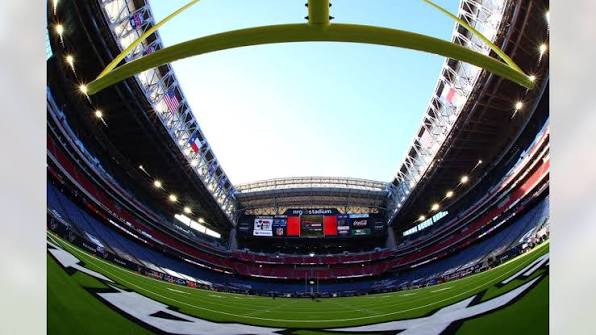
    Have you ever sat in the stands at an NFL game in Houston, watching the sky above, and wondered about the massive engineering feat hovering over your head? For many fans, the transition from a closed dome to an open-air arena is one of the most magical moments of the game day experience. If you are planning a trip to Houston or are simply a curious football fan, you likely want to know exactly how long does it take to open NRG Stadium roof.

    The short answer is that it takes approximately 12 to 15 minutes for the entire operation to complete. However, this process is not as simple as pressing a single button. It involves complex hydraulic systems, strict weather protocols, and precise timing coordinated with the NFL schedule. In this comprehensive guide, we will break down the mechanics, the rules, and the fascinating details behind one of the most iconic features in professional sports.

    The Exact Timing: Breaking Down the 12-Minute Miracle

    When the decision is made to open the roof, the spectacle begins. While fans often perceive it as a seamless glide, the operation is a carefully choreographed sequence of heavy machinery.

    The total time required to fully retract the two massive roof panels is typically between 12 and 15 minutes. This duration can vary slightly depending on wind conditions and the specific maintenance status of the hydraulic motors, but 12 minutes is the standard benchmark cited by stadium operations teams.

    Why Does It Take This Long?

    You might wonder why such a powerful system doesn’t move faster. The primary reason is safety and structural integrity. The roof panels weigh thousands of tons. Moving them too quickly could create dangerous wind tunnels, stress the steel tracks, or pose a risk to spectators and staff below. The slow, steady pace ensures that the movement is smooth, quiet, and safe for everyone in the vicinity.

    Pro Tip: If you are attending a game, arrive at least 20 minutes before the scheduled roof opening time. This gives you enough time to find your seat, grab a snack, and witness the entire transformation without rushing.

    The Mechanics Behind the Magic

    To truly appreciate the time it takes, you must understand what is actually moving. The NRG Stadium (formerly Reliant Stadium) was the first NFL facility to feature a retractable roof, setting a precedent for modern stadium design.

    Key Components of the System

    • Two Massive Panels: The roof consists of two independent panels. Each panel is roughly the size of a football field.
    • Hydraulic Motors: The system uses powerful hydraulic motors to drive the wheels along the tracks.
    • Steel Tracks: The panels glide on massive steel rails embedded in the stadium’s superstructure.
    • Counterweights: These help balance the immense weight of the roof, reducing the energy required to move it.

    According to Wikipedia’s entry on NRG Stadium, the roof structure is made of translucent fabric stretched over a steel frame. This design allows natural light to filter in even when the roof is partially closed, but the full opening provides the authentic outdoor atmosphere that Houstonians crave during the cooler months.
    How Long Does It Take To Open Nrg Stadium Roof

    Weather Rules: When Can the Roof Actually Open?

    Just because the mechanism can open in 12 minutes doesn’t mean it will. The NFL and stadium management have strict guidelines regarding weather conditions. This is perhaps the most critical factor for fans wondering if the roof will be open for their specific game.

    The NFL’s Retractable Roof Policy

    The NFL has a unified policy for all stadiums with retractable roofs, including NRG Stadium, AT&T Stadium in Dallas, and SoFi Stadium in Los Angeles. The decision is typically made 90 minutes before kickoff.

    Here are the general rules:

    1. Temperature Threshold: If the temperature is below 40°F (4°C) or above 80°F (27°C), the roof usually remains closed to maintain climate control.
    2. Precipitation: If there is rain, lightning, or high winds, the roof stays closed.
    3. Wind Speed: Sustained winds above 15–20 mph can prevent the roof from opening due to safety concerns.

    The “Home Team” Advantage

    While the NFL sets the baseline, the home team (in this case, the Houston Texans) has some discretion. If the weather is borderline—say, 78°F and sunny—the team may choose to open the roof to enhance the fan experience. Conversely, if it is humid and muggy, they may keep it closed to ensure player comfort and optimal field conditions.

    Step-by-Step: The Opening Procedure

    For those interested in the technical workflow, here is how the operation unfolds step-by-step. This process is managed by a dedicated team of engineers and stadium operators.

    1. Pre-Check (T-minus 60 minutes): Engineers inspect the tracks, hydraulic fluid levels, and weather data. Any debris on the tracks is cleared.
    2. Notification (T-minus 30 minutes): Fans are announced that the roof will open shortly. Security ensures no one is in restricted zones near the roof mechanisms.
    3. Initial Movement (T-minus 15 minutes): The locking mechanisms disengage. You might hear a loud “clunk” as the seals break.
    4. Retraction (The 12-Minute Window): Both panels begin to move simultaneously toward the ends of the stadium. They move at a speed of roughly 10–15 feet per minute.
    5. Final Locking: Once fully retracted, the panels are locked into their storage positions.
    6. All-Clear: The system signals that the roof is fully open, and the game proceeds under the open sky.

    Comparison: NRG Stadium vs. Other Retractable Roofs

    Not all retractable roofs operate the same way. Understanding how NRG compares to other major stadiums can provide context on its efficiency.

    FeatureNRG Stadium (Houston)AT&T Stadium (Dallas)State Farm Stadium (Arizona)
    Opening Time~12–15 Minutes~12–15 Minutes~15–20 Minutes
    Roof TypeTwo sliding panelsTwo sliding panelsSingle rotating panel
    MaterialTranslucent FabricTranslucent FabricTranslucent Fabric
    Year Opened200220092006
    Unique FactFirst NFL retractable roofLargest video boardRotates 90 degrees

    As seen in the table, NRG Stadium is among the fastest in terms of operation time, thanks to its dual-panel sliding design. Arizona’s State Farm Stadium, for instance, takes slightly longer because its single massive panel must rotate rather than just slide back.

    Common Misconceptions About the Roof

    There are several myths surrounding the NRG Stadium roof that often confuse new visitors.

    • Myth 1: The roof can open mid-game.
      • Fact: No. The roof must be fully open or fully closed before kickoff. It cannot move during play due to safety regulations and distraction concerns.
    • Myth 2: It opens instantly.
      • Fact: As established, it takes over 10 minutes. It is a gradual process, not an instant switch.
    • Myth 3: The roof opens for every game.
      • Fact: Due to Houston’s hot and humid climate, the roof is closed for the majority of early-season games. It is most commonly open during late fall and winter games when the weather is pleasant.

    FAQ Section

    1. Can the roof be opened partially?

    No, the NRG Stadium roof operates in an all-or-nothing manner. It is either fully closed, fully open, or in the process of moving between these two states. There is no “half-open” setting for ventilation purposes; the HVAC system handles air circulation when the roof is closed.

    2. What happens if it starts raining after the roof is opened?

    If rain begins after the roof is fully open, it generally stays open unless there is lightning or severe weather warnings. Light rain is considered part of the outdoor experience. However, if lightning is detected within a certain radius, the game may be delayed, but the roof will not be closed mid-event due to the time it takes and the risk involved.

    3. Is the roof noisy when it opens?

    Yes, you will hear mechanical sounds. The disengagement of locks produces a loud bang, and the motors emit a low hum. However, once the panels are moving, the noise is relatively moderate and does not interfere with stadium announcements or music.

    4. Who decides if the roof opens?

    The decision is a collaborative effort involving the NFL league office, the Houston Texans’ management, and stadium operations. They review real-time weather data from the National Weather Service. The final call is usually made by the stadium’s general manager in consultation with NFL officials.

    5. Does the roof affect the TV broadcast?

    Interestingly, yes. When the roof is open, lighting conditions change rapidly. Broadcast crews must adjust camera settings to account for natural sunlight versus stadium lights. Additionally, shadows from the roof structure can move across the field, which directors must manage visually.

    Conclusion

    Understanding how long does it take to open NRG Stadium roof adds a layer of appreciation to the game day experience. That 12-to-15-minute window is not just a mechanical procedure; it is a testament to human ingenuity and engineering precision. Whether you are a die-hard Houston Texans fan or a tourist visiting for the first time, witnessing the roof retract is a memorable moment that connects you to the unique culture of Houston sports.

    Next time you are in the stands, keep an eye on the clock. When the announcement comes, you’ll know exactly what is happening behind the scenes. Don’t forget to share this article with your fellow football fans who might be planning their next trip to NRG Stadium! Have you ever seen the roof open in person? Share your stories on social media and tag us—we’d love to hear about your experience.
  • How Long to Open Cowboys Stadium Roof?

    How Long to Open Cowboys Stadium Roof?

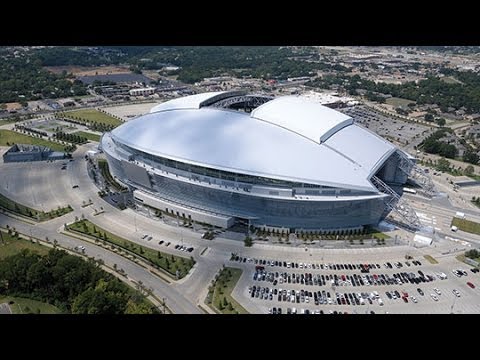
    Have you ever sat in the stands at AT&T Stadium, looking up at the massive translucent panels, and wondered just how much engineering power it takes to move them? It is a common curiosity for fans attending games or concerts, especially when the Texas weather turns unpredictable. If you are asking how long it takes to open Cowboys Stadium roof, the answer might surprise you with its precision and speed.

    This iconic venue, home to the Dallas Cowboys, features one of the most complex retractable roof systems in the world. Understanding the timing and mechanics behind this operation not only satisfies your curiosity but also helps you plan your visit better. Whether you are hoping for a breeze on a hot September afternoon or worrying about a sudden thunderstorm, knowing the roof’s operational window is key.

    The Exact Timeframe: Speed Meets Precision

    So, what is the magic number? According to official specifications and operational records, it takes approximately 12 to 15 minutes to fully open or close the roof of AT&T Stadium.

    This timeframe is remarkably fast considering the sheer scale of the structure. The roof consists of two massive panels, each weighing thousands of tons. To put this in perspective, many older retractable roof stadiums, such as the original Minute Maid Park in Houston, could take up to 20–30 minutes to complete the same action. The engineers behind AT&T Stadium prioritized efficiency to ensure that game delays due to weather changes are minimized.

    Why Does It Take This Long?

    You might think, “Why not make it faster?” The answer lies in safety and mechanical integrity. Moving a structure of this magnitude requires synchronized movement of hundreds of motors and gears. Rushing the process could lead to mechanical stress, misalignment, or safety hazards for the spectators below. The 12–15 minute window is the “sweet spot” where speed meets structural safety.

    Understanding the Mechanics Behind the Magic

    To truly appreciate the time it takes, we need to look under the hood. The roof isn’t just sliding on a simple track; it is a feat of modern civil engineering.

    The Weight and Scale

    Each of the two roof panels weighs approximately 4,500 tons. That is roughly equivalent to the weight of 3,000 average-sized cars. These panels are made of a translucent ETFE (Ethylene Tetrafluoroethylene) plastic, which is lightweight compared to glass but still incredibly heavy in such large sheets. They allow natural light to flood the stadium when closed, reducing the need for artificial lighting during day games.

    The Motor System

    The movement is powered by a series of electric motors. Specifically, the system uses:

    • 8 main drive units per panel.
    • Each unit contains multiple high-torque motors.
    • The system operates on a rack-and-pinion mechanism, ensuring smooth, linear motion.

    The synchronization of these motors is controlled by a central computer system that monitors wind speed, position, and load distribution in real-time. If any sensor detects an anomaly, the system halts immediately to prevent damage.

    How Long Does It Take To Open Cowboys Stadium Roof

    Weather Rules: When Can the Roof Actually Move?

    One of the most critical factors affecting the roof’s operation is the weather. You cannot simply open the roof whenever you feel like it. There are strict protocols in place.

    Wind Speed Limits

    The primary enemy of a retractable roof is wind. If the wind speed exceeds 20–25 mph, the roof will remain closed. High winds can create lift forces that could destabilize the panels or damage the tracking system. Even if it is a beautiful sunny day, a gusty breeze will keep the lid on.

    Rain and Lightning

    While the roof is designed to shed water, operating it during heavy rain is generally avoided to prevent water ingress into the mechanical pits. More importantly, lightning protocols take precedence. If lightning is detected within a certain radius, all outdoor operations cease, and the roof status is locked for safety.

    Weather ConditionRoof StatusReason
    Clear Sky, Low WindOpen/ClosedOperational
    Wind > 25 mphClosedSafety/Stability
    Heavy RainClosedMechanical Protection
    Lightning NearbyClosedFan/Staff Safety

    Step-by-Step: The Opening Process

    If you are lucky enough to witness the roof opening, here is what happens behind the scenes, step by step:

    1. Pre-Check Sequence: The control room initiates a diagnostic check. Sensors verify that the tracks are clear, the locking pins are disengaged, and wind speeds are within limits.
    2. Unlocking Mechanism: Hydraulic locks that secure the roof panels in the closed position are released. You might hear a distinct mechanical “clunk” as these disengage.
    3. Initial Movement: The motors engage slowly. The first few feet of movement are the slowest to ensure proper alignment with the guide rails.
    4. Acceleration Phase: Once aligned, the panels accelerate to their standard operating speed. This is the phase where the 12–15 minute timer really counts down.
    5. Mid-Travel Monitoring: As the panels slide over the stadium bowl, sensors continuously monitor for any obstruction or uneven movement.
    6. Final Positioning: As the panels reach the fully open position (stored at either end of the stadium), they slow down again.
    7. Locking and Confirmation: The panels lock into their open storage position. The system sends a “All Clear” signal to the stadium operations team.

    For more detailed technical specifications on large-scale retractable structures, you can refer to general engineering principles documented on Wikipedia.

    Common Misconceptions About the Roof

    There are several myths surrounding the AT&T Stadium roof. Let’s clear them up.

    • Myth 1: The roof opens partially.
      • Fact: The roof is an all-or-nothing system. It does not have a “half-open” setting for partial ventilation. It is either fully closed, fully open, or in transit.
    • Myth 2: It can open during a game easily.
      • Fact: While it can open during a game, it rarely does so unless there is a significant break in play (like halftime) and the weather conditions are perfect. Opening it during active play can be distracting and poses a slight risk if debris were to fall (though highly unlikely).
    • Myth 3: It is made of glass.
      • Fact: As mentioned, it is made of ETFE plastic. This material is durable, self-cleaning, and allows UV light to pass through while blocking heat, making it ideal for Texas summers.

    Why This Matters for Your Visit

    Knowing how long it takes to open Cowboys Stadium roof can enhance your experience as a fan.

    • Timing Your Arrival: If you want to see the roof open, arrive early. The decision to open the roof is usually made 2–3 hours before kickoff. If you arrive 30 minutes before the game, the roof status is likely already set.
    • Comfort Planning: If the roof is closed, the stadium relies on its massive HVAC system. It is one of the largest air-conditioned spaces in the world. If the roof is open, expect ambient noise from outside and potential temperature changes.
    • Photography Opportunities: The transition period offers unique photo opportunities as the light changes inside the bowl. The 12-minute window provides a dynamic backdrop for social media content.

    FAQ Section

    1. Can the roof be opened during a football game?

    Yes, technically it can, but it is rare. It usually requires a stoppage in play and favorable weather conditions. Most often, the roof status is decided before the gates open to the public.

    2. What happens if it starts raining while the roof is open?

    The stadium has advanced weather monitoring systems. If rain is imminent, the crew will begin the closing process immediately. Since it takes 12–15 minutes, they rely on accurate forecasts to start the process before the rain hits. If caught off guard, the panels are water-resistant, but the priority is to close them as fast as safely possible.

    3. Is the roof soundproof when closed?

    Not entirely. While the ETFE panels and the enclosed structure reduce outside noise significantly, you can still hear some ambient sound from outside, especially during loud events like fireworks or nearby highway traffic. However, the acoustic design focuses on keeping crowd noise in to enhance the home-field advantage.

    4. How often is the roof maintained?

    The roof undergoes regular maintenance checks weekly. Major mechanical inspections happen during the NFL off-season. The motors, tracks, and sensors are lubricated and tested to ensure the 12–15 minute operation time remains consistent.

    5. Does the roof affect the Wi-Fi or cell service in the stadium?

    No. The ETFE material is transparent to radio waves. AT&T Stadium is known for having some of the best cellular connectivity in the NFL, regardless of whether the roof is open or closed. The network infrastructure is designed to handle high-density usage independently of the roof status.

    Conclusion

    The next time you find yourself gazing up at the massive panels of AT&T Stadium, you will know exactly what is happening behind the scenes. The answer to how long it takes to open Cowboys Stadium roof is a precise 12 to 15 minutes, a testament to the incredible engineering that keeps thousands of tons of material moving smoothly and safely.

    This blend of speed, safety, and spectacle is part of what makes attending a Dallas Cowboys game such a unique experience. Whether the roof is open to let in the Texas sun or closed to keep out the storm, the stadium remains a marvel of modern architecture.

    Did you find this guide helpful? Share this article with your fellow football fans on social media so they can impress their friends with these cool facts at the next tailgate! Don’t forget to comment below if you’ve ever seen the roof in action.