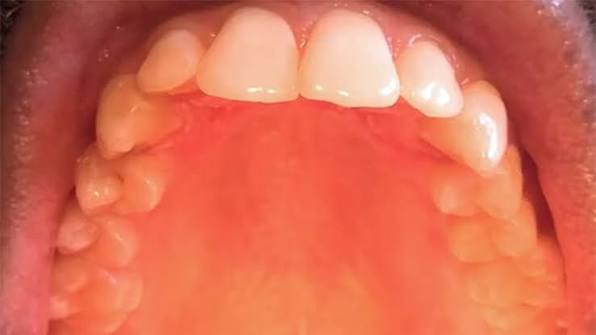
Have you ever been in the middle of a delicious meal or a quiet moment when suddenly, an intense, irritating itch develops on the roof of your mouth? It is a surprisingly common yet frustrating sensation that can distract you from your day and leave you wondering if something is wrong. If you are searching for effective ways on how to stop the roof of your mouth from itching, you are not alone, and relief is often closer than you think.
This guide will walk you through the most common causes, immediate home remedies, and when to seek professional help, ensuring you can return to comfort quickly and safely.
Why Does the Roof of My Mouth Itch?
Before diving into solutions, it is crucial to understand the root cause. The roof of your mouth, known medically as the palate, is sensitive tissue. An itch here is rarely random; it is usually a signal from your immune system or a reaction to an external irritant.
The most frequent culprit is Oral Allergy Syndrome (OAS), also known as pollen-food allergy syndrome. This occurs when your body confuses proteins in certain raw fruits, vegetables, or nuts with pollen allergens. According to the American Academy of Allergy, Asthma & Immunology, OAS affects up to 10% of the population, particularly those who already suffer from hay fever.
Other common triggers include:
- Seasonal Allergies: High pollen counts can cause post-nasal drip, irritating the palate.
- Food Sensitivities: Spicy foods, acidic fruits, or artificial additives.
- Dry Mouth (Xerostomia): Lack of saliva reduces the mouth’s natural cleaning ability, leading to irritation.
- Thermal Burns: Eating food that is too hot can damage the delicate tissue, causing an itchy healing process.
Understanding the trigger is the first step in effective treatment. For a deeper understanding of allergic reactions in the oral cavity, you can refer to this comprehensive overview on Wikipedia.
Immediate Home Remedies to Soothe the Itch
If you are experiencing sudden discomfort, you do not need to wait for a doctor’s appointment to find relief. Here are several proven, immediate steps you can take at home.
1. Rinse with Cold Water or Salt Water
Cold temperature helps constrict blood vessels and numb the nerve endings responsible for the itch.
- Step 1: Take a sip of ice-cold water.
- Step 2: Swish it around your mouth, focusing on the roof, for 30 seconds.
- Step 3: Spit it out. Repeat as necessary.
Alternatively, a saltwater rinse can reduce inflammation and clear out any lingering allergens. Mix 1/2 teaspoon of salt into 8 ounces (approx. 240 ml) of warm water. Gargle gently for 15–20 seconds and spit. Do not swallow the solution.
2. Eat a Piece of Plain Bread or Crackers
Sometimes, the itch is caused by microscopic particles of food or pollen stuck to the palate. Eating a piece of plain, dry bread or a unsalted cracker can act as a gentle abrasive.
- Chew slowly.
- Allow the bread to sweep across the roof of your mouth.
- This mechanical action can physically remove the irritant.
3. Apply Honey
Honey has natural anti-inflammatory and antibacterial properties. It can coat the irritated tissue, providing a soothing barrier.
- Take one teaspoon of raw honey.
- Let it sit on the roof of your mouth for a minute before swallowing.
- Note: Do not give honey to children under one year old due to the risk of botulism.
Managing Allergies and Long-Term Prevention
If your itchy palate is a recurring issue, likely tied to allergies, home remedies may only provide temporary relief. You need a strategy to manage the underlying condition.
Identify and Avoid Trigger Foods
Keep a food diary for two weeks. Note what you ate and when the itching started. Common cross-reactive foods include:
- Apples, peaches, and cherries (if allergic to birch pollen).
- Melons and bananas (if allergic to ragweed).
- Carrots and celery (if allergic to mugwort).
Pro Tip: Cooking these foods often breaks down the problematic proteins. If raw apples itch, try apple sauce or baked apples.
Over-the-Counter Antihistamines
For persistent itching caused by seasonal allergies, an oral antihistamine can be highly effective.
- Look for non-drowsy options like Cetirizine or Loratadine.
- Follow the dosage instructions on the package strictly.
- These medications block histamine, the chemical your body releases during an allergic reaction that causes itching and swelling.
Maintain Optimal Oral Hygiene
A clean mouth is less prone to irritation.
- Brush twice daily with a soft-bristled toothbrush.
- Floss daily to remove plaque buildup.
- Use an alcohol-free mouthwash, as alcohol can dry out the tissues and worsen the itch.
When to See a Doctor
While most cases of an itchy palate are benign, some symptoms indicate a more serious condition. Seek medical attention if you experience:
| Symptom | Potential Cause | Action Required |
|---|---|---|
| Swelling of lips or tongue | Severe Allergic Reaction | Emergency Care |
| Difficulty breathing | Anaphylaxis | Call 911 Immediately |
| White patches on palate | Oral Thrush (Fungal Infection) | See Doctor/Dentist |
| Itching lasts > 1 week | Chronic Condition | Schedule Appointment |
| Bleeding or sores | Trauma or Infection | See Dentist |
Anaphylaxis is a life-threatening allergic reaction. If the itching is accompanied by throat tightness, wheezing, or dizziness, do not wait. Use an epinephrine auto-injector if prescribed and seek emergency help immediately.
FAQ: Common Questions About Itchy Palate
1. Can stress cause the roof of my mouth to itch?
Yes, indirectly. Stress can weaken your immune system and exacerbate existing conditions like eczema or allergies. Additionally, stress often leads to unconscious habits like rubbing the tongue against the palate, which can cause mechanical irritation.
2. Is an itchy roof of the mouth a sign of pregnancy?
Hormonal changes during pregnancy can increase blood flow to mucous membranes, making them more sensitive. Some pregnant women report increased sensitivity or itching in the mouth, though it is not a definitive sign of pregnancy on its own.
3. Can dehydration cause an itchy palate?
Absolutely. Saliva is essential for keeping the oral tissues moist and protected. When you are dehydrated, saliva production drops, leading to dry mouth (xerostomia). This dryness can feel like itching or burning. Drinking 2 liters of water throughout the day can help maintain proper hydration levels.
4. Why does my mouth itch after eating pineapple?
Pineapple contains an enzyme called bromelain, which breaks down proteins. This can cause a mild chemical “burn” or irritation on the sensitive tissues of the mouth, leading to an itchy or tingling sensation. Canning pineapple destroys bromelain, which is why canned pineapple rarely causes this issue.
5. Should I scrape my tongue if my palate itches?
Scraping your tongue can help remove bacteria and debris, but it will not directly stop an itchy palate unless the itch is caused by post-nasal drip carrying allergens over the tongue. Be gentle to avoid damaging the taste buds.
Conclusion
Dealing with an itchy roof of the mouth can be annoying, but it is rarely dangerous. By understanding the triggers—whether they are seasonal allergies, specific foods, or dryness—you can take control of the situation. Simple remedies like cold water rinses, honey, and avoiding trigger foods often provide quick relief.
Remember, consistency is key. If you suffer from seasonal allergies, start taking preventive measures before the season peaks. Keep your oral hygiene routine strict, and stay hydrated.
If you found this guide helpful, please share it with friends or family who might be suffering from similar discomfort. Sharing knowledge is the best way to help others find relief!
Disclaimer: This article is for informational purposes only and does not constitute medical advice. Always consult with a healthcare professional for persistent or severe symptoms.