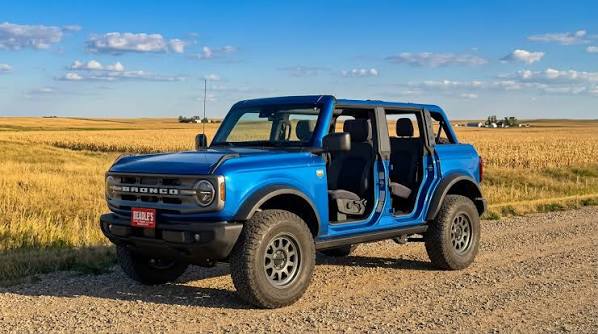
Have you ever looked at your SUV or crossover and imagined the freedom of open-air driving, only to hesitate because you weren’t sure if it was safe? Many enthusiasts dream of stripping down their rides for off-road adventures or summer cruises, but removing the doors and roof from a unibody construction vehicle is not as straightforward as it seems. Unlike traditional body-on-frame trucks, these vehicles rely on their entire shell for strength, making modifications a delicate balance between fun and structural integrity.
In this guide, we will walk you through everything you need to know about this popular modification. We will explore the engineering behind unibody designs, the potential risks involved, and how to approach this project safely and legally. Whether you are a weekend warrior or a curious car owner, understanding the mechanics is crucial before you pick up a wrench.
Why Is Removing Parts from a Unibody Vehicle Different?
To understand the complexity of this task, we must first look at what makes a unibody vehicle unique. In traditional body-on-frame vehicles, like many older trucks and heavy-duty SUVs, the body sits on top of a separate, rigid ladder frame. This frame handles all the stress of driving, suspension, and engine torque. The body itself is largely cosmetic and provides passenger comfort.
However, in a unibody (monocoque) construction, the body and frame are integrated into a single structure. The floor pan, roof, pillars, and side panels all work together to distribute stress and maintain rigidity. When you remove major components like the roof and doors, you are effectively removing key structural members that resist twisting and bending forces.
According to automotive engineering principles, the roof and door pillars contribute significantly to the vehicle’s torsional stiffness. Without them, the chassis can flex more than intended during cornering or when hitting bumps. This flexing can lead to premature wear on suspension components, misaligned doors (if you put them back on), and even cracks in the windshield or dashboard over time.
For a deeper technical understanding of monocoque structures, you can refer to the detailed explanation on Wikipedia’s Monocoque page. This resource highlights how aerospace and automotive industries utilize this design for weight savings and efficiency, but also notes the inherent trade-offs in modularity.
What Are the Risks of Removing the Roof and Doors?
Before you start unbolted hinges, it is vital to weigh the pros and cons. While the aesthetic and experiential benefits are clear, the risks are substantial if not managed correctly.
Structural Compromise
The most immediate risk is the loss of structural rigidity. In a crash scenario, the roof and pillars are designed to protect occupants by maintaining the survival space. Removing them eliminates this protection. Furthermore, daily driving stresses—such as going over speed bumps or taking sharp turns—can cause the vehicle body to twist. Over time, this can lead to:
- Creaking noises from the dashboard and interior panels.
- Difficulty closing remaining doors due to frame misalignment.
- Cracks in the windshield or rear window glass.
Safety Concerns
Without doors and a roof, you lose critical safety features. Side-impact airbags, often located in the doors or roof rails, may become ineffective or trigger incorrectly. Additionally, you are exposed to the elements and road debris. In an accident, ejection risk increases significantly without the containment provided by the original structure.
Legal and Insurance Issues
In the United States, vehicle modification laws vary by state. Some states require that all original safety equipment remain functional. If you remove doors, you may no longer have legal side mirrors or proper latching mechanisms. Moreover, insurance companies may deny claims if they determine that modifications contributed to damage or injury. Always check with your provider before making permanent changes.
Step-by-Step Guide to Safe Removal
If you have assessed the risks and decided to proceed, follow these steps to minimize damage to your vehicle. Note that this guide assumes you are using bolt-on removal methods rather than cutting metal, which is irreversible and highly discouraged for daily drivers.
1. Preparation and Tools
Gather the necessary tools before starting. You will typically need:
- A socket set (metric or imperial, depending on your vehicle).
- Torx bits (common in modern European and American cars).
- A helper (some doors and roof panels are heavy and awkward).
- Storage bags or labels for bolts and screws.
- Protective covers for paint and interior surfaces.
2. Disconnect Electrical Components
Modern vehicles have complex wiring harnesses running through doors and roof pillars. Before removing any panel:
- Disconnect the negative battery terminal to prevent short circuits.
- Carefully detach electrical connectors for power windows, locks, speakers, and airbags.
- Use a trim removal tool to avoid damaging plastic clips.
3. Remove the Doors
Start with the doors to reduce weight and improve access to the roof.
- Support the door with a jack or have a helper hold it steady.
- Remove the hinge bolts slowly. Do not remove all bolts at once; loosen them gradually to ensure the door does not shift unexpectedly.
- Once detached, store the doors in a safe, dry place. Keep the bolts organized.
4. Remove the Roof Panels
If your vehicle has a removable hardtop or soft top, follow the manufacturer’s instructions. For fixed roofs, removal is generally not recommended unless the vehicle is specifically designed for it (like some Jeep Wrangler models, though note that the Wrangler uses a hybrid design with significant frame support).
- Locate the mounting points, usually found inside the cabin near the pillars.
- Unscrew the fasteners carefully.
- Lift the roof panel straight up to avoid scratching the paint or damaging weather stripping.
5. Reinforcement (Optional but Recommended)
Consider installing aftermarket roll bars or strut braces. These can help restore some of the lost torsional rigidity. While they do not fully replace the structural integrity of the original roof, they provide additional support and safety in case of a rollover.
Pros and Cons: Is It Worth It?
To help you decide, here is a quick comparison of the benefits and drawbacks.
| Feature | Benefits | Drawbacks |
|---|---|---|
| Driving Experience | Open-air feel, better visibility, connection to nature. | Exposure to noise, wind, rain, and dust. |
| Aesthetics | Unique look, stands out in crowds. | May look incomplete or “chopped” if not done well. |
| Performance | Reduced weight can slightly improve acceleration. | Loss of aerodynamic efficiency; increased drag. |
| Safety | Easier exit in certain emergency scenarios. | Higher risk of injury in collisions; no roof protection. |
| Maintenance | Easier access to interior for cleaning. | Increased wear on interior materials due to sun exposure. |
Frequently Asked Questions
1. Can I drive my unibody car without doors on the highway?
While physically possible, it is often illegal and unsafe. Many states require doors to be present and functional for highway use. Additionally, high-speed winds can create dangerous turbulence inside the cabin, affecting control and comfort. Always check local traffic laws before attempting this.
2. Will removing the roof void my warranty?
Yes, in most cases. Modifying the structural components of your vehicle can void the manufacturer’s warranty, especially if subsequent issues arise related to the chassis, suspension, or electrical systems. Consult your dealer’s policy before proceeding.
3. Do I need to reinforce the chassis after removal?
It is highly recommended. Installing a roll cage or strut braces can help mitigate the loss of torsional stiffness. This is particularly important if you plan to take the vehicle off-road or drive aggressively. Without reinforcement, you risk long-term damage to the body panels and alignment.
4. How do I store the removed doors and roof?
Store them in a climate-controlled environment to prevent warping or damage. Use padded racks or stands to keep them off the ground. Cover them with breathable fabric to protect against dust and scratches. Avoid stacking heavy items on top of glass or painted surfaces.
5. Are there specific vehicles designed for this?
Yes, some vehicles are engineered with removable tops and doors in mind, such as the Jeep Wrangler and Ford Bronco. However, even these vehicles have structural limits. The Wrangler, for instance, has a robust frame that helps compensate for the lack of a fixed roof, but it still relies on its body structure for overall rigidity. Always consult your owner’s manual for specific guidelines.
Conclusion
Removing the doors and roof from a unibody construction vehicle is a bold modification that offers unparalleled freedom and connection to the outdoors. However, it comes with significant responsibilities regarding safety, legality, and vehicle maintenance. By understanding the structural role these components play, you can make informed decisions and take necessary precautions to protect both yourself and your car.
If you decide to go ahead, prioritize safety reinforcements, stay within legal boundaries, and respect the engineering limits of your vehicle. Share this guide with fellow enthusiasts who might be considering the same mod, and let us know in the comments about your open-air driving experiences! Stay safe and enjoy the ride.
Leave a Reply