Replacing a roof is one of the most significant investments a homeowner can make. It protects your family, enhances curb appeal, and significantly impacts your property value. However, navigating the pricing landscape can be overwhelming, leaving many asking, “How much does it cost to get a new roof?” without a clear answer.
In this comprehensive guide, we will break down the costs, explain the variables that influence pricing, and provide you with the knowledge needed to budget effectively for your project in 2026.
Understanding the Average Cost of a New Roof in 2026
When homeowners begin their research, they often look for a single number. However, roofing costs vary wildly based on location, home size, and material choice. According to recent industry data from 2025-2026, the national average for a complete roof replacement in the United States ranges between $8,500 and $14,500.
For a standard 2,000-square-foot home using mid-range asphalt shingles, most homeowners pay around $11,000. However, this figure is merely a baseline. High-end materials like slate or metal can push costs upward of $30,000, while basic repairs or smaller homes might come in under $7,000.
It is crucial to understand that this price includes not just the shingles, but also labor, disposal of old materials, underlayment, flashing, and permits. Ignoring these “hidden” components is the most common mistake beginners make when budgeting.
What Factors Influence Your Roof Replacement Quote?
To get an accurate estimate, you must understand the variables at play. Here are the primary drivers of cost:
1. Roofing Material
The type of material you choose is the biggest cost determinant.
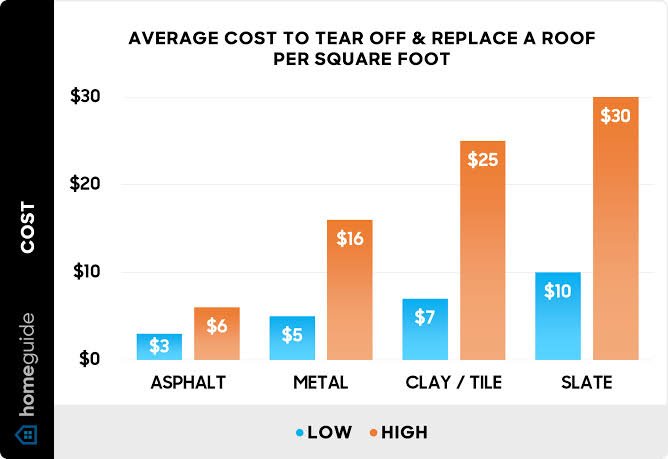
- Asphalt Shingles: The most popular choice in the US due to affordability. Costs range from $3.50 to $5.50 per square foot installed.
- Metal Roofing: Known for longevity (40-70 years). Costs range from $7.00 to $12.00 per square foot.
- Clay/Concrete Tiles: Common in the Southwest. Costs range from $10.00 to $18.00 per square foot.
- Slate: Premium luxury option. Costs can exceed $20.00 per square foot.
2. Roof Size and Pitch
Contractors measure roofs in “squares” (100 square feet). A larger roof requires more materials and labor. Additionally, the pitch (steepness) matters. A steep roof requires special safety equipment and more time to navigate, increasing labor costs by 10–20%.
3. Labor and Location
Labor rates vary significantly by region. In high-cost-of-living areas like California or New York, labor can account for 60% of the total bill. In contrast, rural areas in the Midwest may have lower labor rates but potentially higher transportation fees for contractors.
4. Removal of Old Layers
If your current roof has multiple layers of shingles, removing them adds to the disposal and labor costs. Most building codes allow up to two layers, but removing everything down to the deck ensures a longer-lasting installation.
Asphalt Shingles vs. Metal Roofs: A Cost Comparison
Choosing the right material involves balancing upfront cost with long-term value. Below is a comparison to help you decide.
| Feature | Asphalt Shingles | Metal Roofing |
|---|---|---|
| Average Cost (2,000 sq ft) | $8,500 – $14,500 | $14,000 – $24,000 |
| Lifespan | 15–25 Years | 40–70 Years |
| Maintenance | Moderate (prone to wind damage) | Low (resistant to elements) |
| Energy Efficiency | Standard | High (reflects solar heat) |
| Resale Value Impact | Neutral | Positive (premium feature) |
While asphalt shingles are cheaper initially, metal roofs offer better long-term ROI due to their durability and energy-saving properties. For more detailed information on roofing materials and their historical development, you can refer to Wikipedia’s entry on Roofing.
Hidden Costs You Might Not Expect
When calculating how much does it cost to get a new roof, do not forget these potential additional expenses:
- Decking Repair: If the wood beneath your shingles is rotten, it must be replaced. This typically costs $50–$100 per sheet of plywood.
- Ventilation Upgrades: Proper airflow extends roof life. Installing new ridge vents or soffit vents can add $300–$600.
- Chimney and Skylight Flashing: Sealing these penetrations properly is critical. Complex flashing work can add $500–$1,000.
- Permits: Local municipalities require permits for structural changes. Fees range from $100 to $500 depending on your city.
Step-by-Step Guide to Budgeting for Your New Roof
Follow these steps to ensure you are financially prepared:
- Measure Your Roof Area: Use online satellite tools or hire a professional for a precise measurement in squares.
- Choose Your Material: Decide between budget-friendly asphalt or long-term metal based on your planned stay in the home.
- Get Three Quotes: Always obtain at least three detailed estimates from licensed, insured contractors. Ensure they include waste removal and warranty details.
- Check for Insurance Coverage: If your roof damage was caused by a storm, your homeowners insurance might cover part of the cost. Review your policy deductible.
- Plan for Contingencies: Set aside an extra 10–15% of your budget for unexpected decking repairs or code upgrades.
Frequently Asked Questions (FAQ)
1. Does homeowners insurance cover roof replacement?
Insurance typically covers roof replacement if the damage is sudden and accidental, such as from a hailstorm, hurricane, or fallen tree. It generally does not cover wear and tear or age-related deterioration. Always check your specific policy limits and deductibles.
2. How long does a roof replacement take?
For an average-sized home, a professional crew can complete a roof replacement in 1 to 3 days. Larger homes, complex architectural designs, or bad weather conditions can extend this timeline to a week.
3. Is it cheaper to repair or replace a roof?
If your roof is less than 10 years old and has isolated damage, repair is usually cheaper. However, if your roof is over 15 years old or has widespread leaking, replacement is more cost-effective in the long run. Constant repairs add up quickly and do not solve underlying structural issues.
4. Can I install a new roof myself to save money?
While DIY roofing can save on labor costs, it is highly discouraged for most homeowners. Roofing involves significant safety risks, specialized tools, and strict building codes. Improper installation can void warranties and lead to costly water damage. Professional installation ensures compliance and longevity.
5. What is the best time of year to replace a roof?
Late spring to early fall is the peak season for roofing due to favorable weather. However, scheduling in the off-season (late fall or winter) can sometimes result in lower prices and faster scheduling, provided the temperature stays above freezing for proper shingle sealing.
Conclusion
Understanding how much does it cost to get a new roof is the first step toward a successful home improvement project. While the average cost hovers between $8,500 and $14,500, your final price will depend on material choices, roof complexity, and local labor rates.
By investing in quality materials and professional installation, you protect your home’s integrity and boost its market value. Don’t rush the decision; gather quotes, check credentials, and plan your budget wisely.
Found this guide helpful? Share it with friends or family who are considering a home upgrade on social media! Let’s help more homeowners make informed decisions about their biggest asset.
Leave a Reply