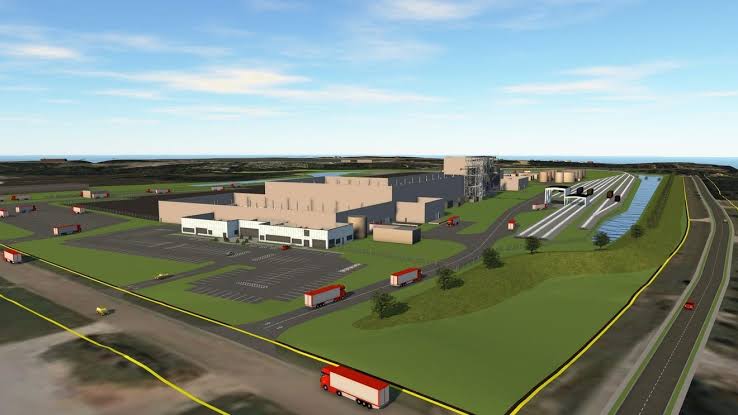
Have you ever driven past a large industrial facility and wondered exactly what goes on behind those walls? For residents and business owners in Southern California, identifying local manufacturing hubs is crucial for understanding supply chains and community economic health. Specifically, many locals are curious about the operations surrounding the Owens Corning Compton Roofing Plant North Tamarind Avenue Compton Ca, seeking clarity on its role in the region’s construction landscape.
In this comprehensive guide, we will demystify the presence of major industrial players in Compton. We will explore how facilities like these contribute to the roofing industry, address common environmental concerns, and provide actionable insights for homeowners and contractors alike. Whether you are a local resident concerned about air quality or a contractor looking for supply chain details, this article serves as your definitive resource.
What Is the Reality of the Owens Corning Facility in Compton?
When searching for “Owens Corning Compton Roofing Plant North Tamarind Avenue Compton Ca,” it is essential to first clarify the nature of the facility. Owens Corning is a global leader in building materials and systems, renowned for its insulation and roofing solutions. However, the specific operational footprint in cities like Compton often involves distribution centers, sales offices, or specialized processing units rather than full-scale primary manufacturing plants that produce raw fiberglass or asphalt shingles from scratch.
Compton, located in Los Angeles County, has historically been an industrial hub. The presence of major corporations here is strategic due to proximity to the Ports of Los Angeles and Long Beach, as well as access to major freeways like the I-710 and I-105. For Owens Corning, having a facility in this area allows for efficient distribution of roofing materials to contractors across Greater Los Angeles.
It is important to note that while the keyword phrase suggests a “plant,” the actual function may be more aligned with logistics and distribution. This distinction matters because distribution centers have different environmental impacts and operational hours compared to heavy manufacturing plants. Understanding this helps set realistic expectations regarding noise, traffic, and industrial activity in the neighborhood surrounding North Tamarind Avenue.
The Strategic Importance of Location
Why Compton? The answer lies in logistics. The construction boom in Southern California requires a steady, rapid flow of materials. A facility in Compton acts as a critical node in the supply chain.
- Proximity to Ports: Easy access to imported raw materials.
- Central Distribution: Equidistant access to Los Angeles, Orange County, and the Inland Empire.
- Workforce Access: Availability of skilled labor in the logistics and transportation sectors.
How Does Owens Corning Impact Local Roofing Standards?
Owens Corning is not just a supplier; they are a standard-setter in the roofing industry. Their products, such as the Duration® Shingles and EcoSure® insulation, are widely used in residential and commercial projects throughout California. The presence of their local infrastructure supports contractors by ensuring that high-quality materials are readily available.
Quality and Durability in a California Climate
California’s climate poses unique challenges for roofing materials, including intense UV exposure, dry heat, and occasional heavy rains during El Niño years. Owens Corning designs its products to withstand these specific conditions.
| Feature | Benefit for CA Homeowners |
|---|---|
| Algae Resistance | Prevents unsightly black streaks common in humid coastal areas. |
| Wind Resistance | Rated for high winds, crucial for Santa Ana wind events. |
| Energy Efficiency | Reflective shingles help reduce cooling costs during hot summers. |
By having a local distribution point, contractors can quickly replace damaged materials or start new projects without long lead times. This efficiency directly benefits homeowners who need timely repairs, especially after storm seasons.
Are There Environmental Concerns for Nearby Residents?
One of the most common questions associated with industrial facilities in residential-adjacent areas like Compton is regarding environmental impact. Residents often worry about air quality, noise pollution, and truck traffic. It is vital to approach this topic with facts and an understanding of regulatory frameworks.
Regulatory Compliance and Sustainability
Owens Corning has made significant public commitments to sustainability. According to their corporate reports, they aim to reduce greenhouse gas emissions and improve water efficiency across their operations. While specific data for a single distribution center may not be publicly itemized in real-time, the company adheres to strict California Environmental Quality Act (CEQA) standards.
For more context on how industrial zoning works in California and the historical context of industrial areas in Los Angeles County, you can refer to general information on Industrial Zoning and Environmental Regulations.
Mitigating Local Impact
Facilities in urban areas like Compton are subject to rigorous monitoring by the South Coast Air Quality Management District (SCAQMD). Key measures typically include:
- Truck Routing: Designated routes to minimize traffic through residential streets.
- Idle Reduction Policies: Strict limits on how long trucks can idle while loading or unloading.
- Noise Barriers: Installation of sound walls if the facility operates near residential zones.
If you live near North Tamarind Avenue and have specific concerns, the best course of action is to engage with local city council meetings or review public records filed with the City of Compton’s Planning Department. Transparency is key, and local government bodies are required to maintain records of any complaints or violations.
How Can Contractors and Homeowners Benefit from Local Presence?
The existence of a major supplier’s infrastructure in Compton offers tangible benefits for two main groups: professional contractors and DIY homeowners.
For Professional Contractors
- Just-in-Time Delivery: Reduced need for large on-site storage, lowering project overhead.
- Product Availability: Access to the full range of Owens Corning products, including specialized underlayments and ventilation systems.
- Technical Support: Proximity often means easier access to regional sales representatives who can provide technical advice on complex roofing jobs.
For Homeowners
- Faster Repairs: In emergency situations, such as roof leaks during rain, local availability means faster material procurement.
- Warranty Validation: Using materials sourced through authorized local channels ensures that manufacturer warranties remain valid.
- Competitive Pricing: Reduced transportation costs for suppliers can sometimes translate to more competitive pricing for consumers.
Step-by-Step: Verifying Local Supplier Authorization
If you are planning a roofing project and want to ensure you are buying from an authorized source linked to the local supply chain, follow these steps:
- Visit the Official Website: Go to the Owens Corning contractor locator tool.
- Enter Your Zip Code: Input your Compton or surrounding area zip code.
- Check Certification: Look for “Master Contractor” or “Preferred Contractor” badges. These indicate a strong relationship with the supplier.
- Ask for Proof: When getting quotes, ask the contractor where they source their materials. A reputable contractor will be transparent about using locally distributed, authentic products.
- Verify Warranty: Ensure the contractor registers the warranty with Owens Corning immediately upon completion. This step is crucial for long-term protection.
FAQ Section
1. Is there an actual manufacturing plant at North Tamarind Avenue in Compton?
While the address is associated with Owens Corning’s operations in the area, it is primarily a distribution and sales support facility rather than a primary manufacturing plant where raw shingles are produced. Heavy manufacturing typically occurs in larger, specialized industrial zones outside dense urban centers.
2. How does the facility affect traffic on North Tamarind Avenue?
Like any industrial facility, there is truck traffic associated with deliveries and pickups. However, these operations are regulated by local city ordinances and state laws regarding commercial vehicle hours. Most deliveries occur during standard business hours to minimize disruption to residential traffic patterns.
3. Can I buy roofing materials directly from this location?
Generally, Owens Corning distribution centers serve licensed contractors and wholesalers rather than individual retail customers. Homeowners should work with a certified roofing contractor who purchases materials from these local distributors to ensure proper installation and warranty coverage.
4. What should I do if I experience excessive noise or dust from the facility?
If you believe the facility is violating local noise or air quality regulations, you should document the issue (dates, times, photos) and report it to the City of Compton’s Code Enforcement Division or the South Coast Air Quality Management District. They have the authority to investigate and enforce compliance.
5. Does Owens Corning offer eco-friendly roofing options available in Compton?
Yes, Owens Corning offers a range of sustainable products, including shingles made with recycled content and insulation products that improve home energy efficiency. These products are available through their local distribution network, supporting California’s strict energy efficiency standards (Title 24).
6. How can I find a roofer who uses Owens Corning products in Compton?
You can use the “Find a Contractor” tool on the Owens Corning website. By entering your location, you will receive a list of nearby certified professionals who are trained in installing their specific roofing systems and have access to the local supply chain.
Conclusion
The Owens Corning Compton Roofing Plant North Tamarind Avenue Compton Ca represents a vital link in the Southern California construction supply chain. While it may not be a traditional manufacturing plant in the sense of producing raw materials on-site, its role as a distribution and logistics hub is indispensable for local contractors and homeowners. It ensures that high-quality, durable roofing materials are available quickly and efficiently, supporting the region’s housing needs.
For residents, understanding the facility’s role helps alleviate unfounded fears while empowering you to hold operators accountable to environmental standards. For homeowners and builders, leveraging this local presence means faster project completion and access to top-tier roofing technology.
We hope this guide has clarified the operations and impact of this facility. If you found this information helpful, please consider sharing it on social media to help your neighbors and community stay informed about local industrial developments. Knowledge is power, especially when it comes to our homes and our environment.
Leave a Reply