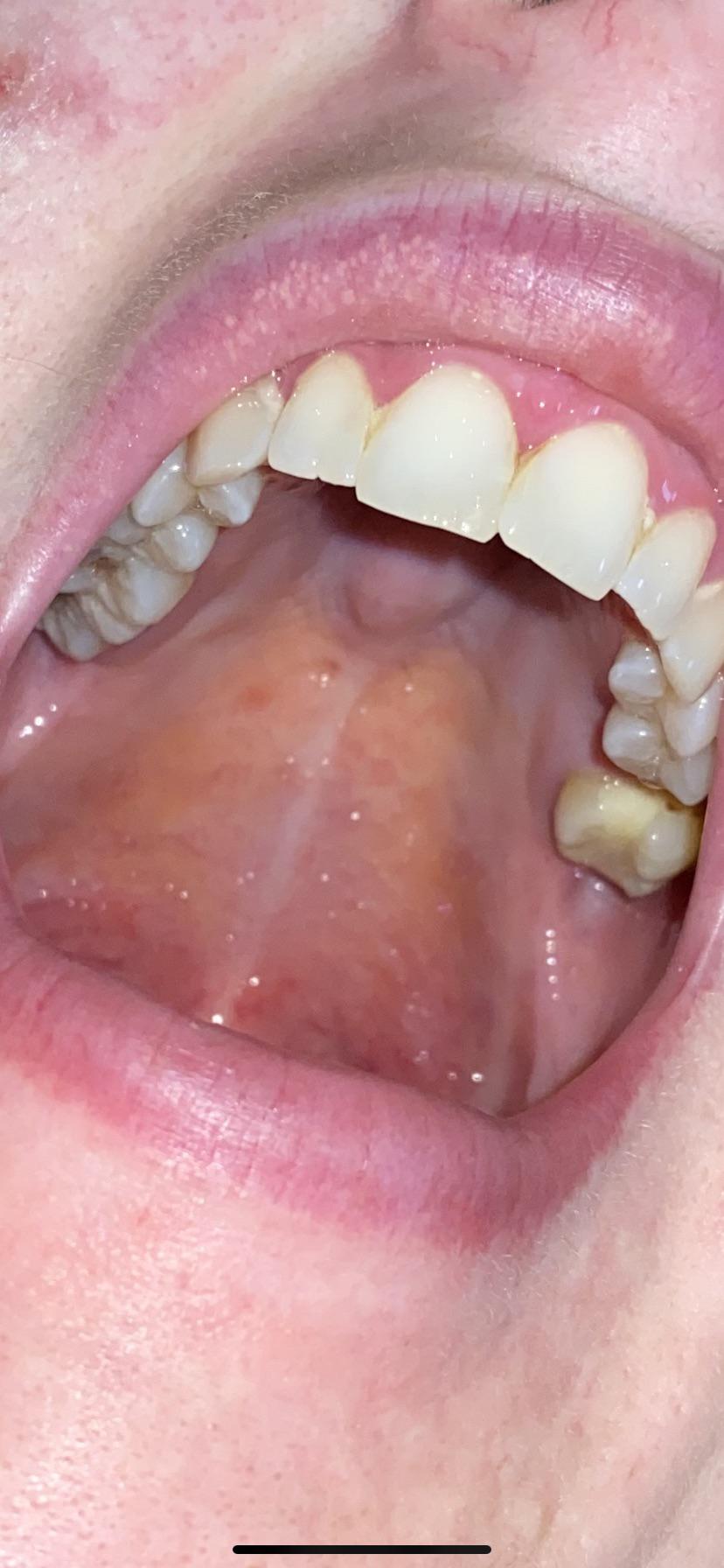
Have you ever looked in the mirror, lifted your tongue, and noticed a strange discoloration on the roof of your mouth? It can be alarming to see a hue that isn’t the usual healthy pink, leading many to ask, “Is the roof of my mouth supposed to be yellow?” The short answer is no; a healthy palate should typically be pink, though slight variations exist. However, a yellow tint often signals an underlying issue ranging from minor hygiene habits to more serious medical conditions.
In this guide, we will explore why this happens, what it means for your health, and exactly what steps you should take next. We’ll break down the medical facts with empathy and clarity, ensuring you have the knowledge to make informed decisions about your oral health.
Why Is the Roof of My Mouth Yellow?
When addressing the question, “Is the roof of your mouth supposed to be yellow,” it is crucial to understand that while occasional, temporary discoloration might be harmless, persistent yellowing is rarely normal. The palate (the roof of the mouth) is covered by mucous membrane tissue that is highly vascular, which usually gives it a pinkish-red appearance.
If you notice a yellow tint, it is generally due to one of three categories:
- External Factors: Staining from food, drink, or smoking.
- Local Oral Conditions: Infections, buildup of dead cells, or cysts.
- Systemic Health Issues: Conditions affecting the entire body, such as liver dysfunction.
Understanding the root cause is the first step toward effective treatment. Let’s dive deeper into the specific reasons behind this symptom.
1. Jaundice and Liver Health
One of the most significant medical reasons for a yellow mouth is jaundice. This condition occurs when there is too much bilirubin—a yellow pigment produced during the breakdown of red blood cells—in your bloodstream.
While jaundice is most famously associated with yellowing of the whites of the eyes (sclera) and the skin, it can also affect the mucous membranes inside the mouth, including the roof of the mouth and under the tongue.
- Key Indicator: If the yellowing is widespread and accompanied by yellow eyes, dark urine, or pale stools, it is likely jaundice.
- Common Causes: Hepatitis, gallstones, alcohol-related liver disease, or pancreatic issues.
According to Wikipedia’s entry on Jaundice, this symptom requires immediate medical attention as it indicates that your liver is not processing bilirubin correctly. Ignoring these signs can lead to severe complications.
2. Oral Thrush (Candidiasis)
Oral thrush is a fungal infection caused by an overgrowth of Candida albicans yeast. While thrush often presents as white patches, these patches can sometimes appear creamy yellow or become yellowish if they bleed slightly or mix with food debris.
Who is at risk?
- Infants and the elderly.
- People with weakened immune systems.
- Individuals using inhaled corticosteroids for asthma.
- Diabetics with poor blood sugar control.
If you scrape the patch and it bleeds or leaves a red, raw area, it is likely thrush. This condition is treatable with antifungal medications prescribed by a dentist or doctor.
3. Smoking and Tobacco Use
For smokers, the question “Is the roof of your mouth supposed to be yellow” often has a lifestyle-related answer. Tobacco smoke contains tar and nicotine, which are potent staining agents. Over time, these substances can stain the teeth, gums, and the soft tissue of the palate.
Additionally, smoking can cause a condition known as Nicotinic Stomatitis. This involves inflammation of the salivary glands in the roof of the mouth, leading to white or yellowish bumps and general discoloration. Quitting smoking often reverses these effects, though it may take several weeks for the tissue to return to its natural pink color.
4. Poor Oral Hygiene and Debris Buildup
Sometimes, the answer is simpler than a disease. The roof of the mouth has a textured surface (rugae) that can trap food particles, dead skin cells, and bacteria. If you do not clean your palate regularly, this buildup can form a biofilm that appears yellow or off-white.
This is particularly common in people who:
- Do not brush their tongue or palate.
- Have dry mouth (xerostomia), which reduces the natural cleansing action of saliva.
- Consume a diet high in sugary or sticky foods.
5. Viral Infections and Sores
Certain viral infections, such as Herpes Simplex Virus (cold sores) or Hand, Foot, and Mouth Disease, can cause blisters or sores on the roof of the mouth. As these sores heal, they may develop a yellowish crust or fibrin coating, which is part of the natural healing process.
| Condition | Appearance | Associated Symptoms | Action Required |
|---|---|---|---|
| Jaundice | Uniform yellow tint | Yellow eyes, fatigue, abdominal pain | See a Doctor Immediately |
| Oral Thrush | Creamy yellow/white patches | Burning sensation, loss of taste | Antifungal Treatment |
| Smoker’s Palate | Yellow/brown staining | Rough texture, possible bumps | Quit Smoking, Dental Cleaning |
| Hygiene Buildup | Thin yellow film | Bad breath, coated tongue | Improve Oral Hygiene |
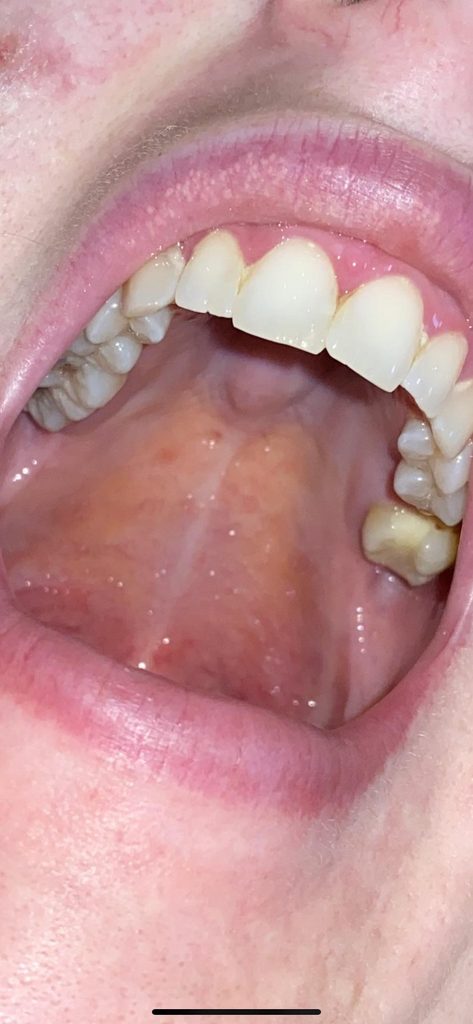
How to Diagnose the Cause at Home
Before rushing to the clinic, you can perform a few simple checks to narrow down the potential cause. Remember, this is not a substitute for professional diagnosis, but it helps you provide better information to your healthcare provider.
- Check Your Eyes: Look in a well-lit mirror. Are the whites of your eyes yellow? If yes, seek emergency care for potential liver issues.
- The Scraping Test: Gently try to wipe the yellow area with a clean, damp gauze or toothbrush.
- If it comes off easily, it is likely debris or mild thrush.
- If it does not come off or bleeds, it may be a tissue change or infection.
- Assess Pain: Is the area painful? Thrush and viral sores are often painful or sensitive. Jaundice and staining are typically painless.
- Review Recent Habits: Have you started a new medication? Changed your diet? Started smoking? These contextual clues are vital for diagnosis.
Step-by-Step Guide to Treating Yellow Palate
Depending on the cause, here is how you can address the issue.
For Hygiene-Related Discoloration
- Brush Your Palate: When brushing your teeth, gently brush the roof of your mouth with your toothbrush. Use soft bristles to avoid irritation.
- Tongue Scraping: Use a tongue scraper to remove bacterial buildup from the back of the tongue, which can migrate to the palate.
- Salt Water Rinse: Mix 1 teaspoon of salt in a glass of warm water (approx. 240ml). Swish for 30 seconds and spit. This helps reduce bacteria and soothe inflammation. Repeat twice daily.
For Suspected Thrush
- Consult a Professional: You will likely need a prescription for nystatin or fluconazole.
- Probiotics: Incorporate yogurt with live cultures or probiotic supplements to help balance oral flora.
- Limit Sugar: Yeast thrives on sugar. Reduce intake of sweets and refined carbs during treatment.
For Smokers
- Professional Cleaning: Visit a dental hygienist for a thorough scaling and polishing to remove tar stains.
- Cessation Support: Consider nicotine replacement therapies or counseling to quit smoking, which will prevent recurrence.
FAQ Section
1. Is the roof of your mouth supposed to be yellow after eating?
Temporary yellowing can occur after consuming heavily pigmented foods like turmeric, curry, or certain candies. This should wash away with brushing or rinsing. If the color persists for more than 24 hours, it is not food-related.
2. Can dehydration cause a yellow roof of the mouth?
Dehydration leads to dry mouth, which reduces saliva flow. Saliva is essential for washing away bacteria and dead cells. Without it, buildup can occur, potentially leading to a yellowish film. Drinking 2–3 liters of water daily can help resolve this.
3. When should I see a doctor for a yellow palate?
You should see a doctor immediately if the yellowing is accompanied by yellow eyes, skin yellowing, abdominal pain, or fever. If the yellow patches are painful, bleeding, or do not improve with improved hygiene after one week, consult a dentist or primary care physician.
4. Can allergies cause the roof of the mouth to turn yellow?
Allergies typically cause swelling, itching, or redness rather than yellowing. However, post-nasal drip from allergic rhinitis can contribute to bacterial buildup and bad breath, which might indirectly affect the appearance of the palate.
5. Is a yellow roof of the mouth contagious?
If the cause is oral thrush or a viral infection like herpes, it can be contagious through shared utensils or kissing. If the cause is jaundice, smoking, or hygiene, it is not contagious. Always practice good hygiene until the cause is identified.
Conclusion
So, is the roof of your mouth supposed to be yellow? No, it is not. While a fleeting tint from food might be harmless, persistent yellow discoloration is a sign that something is off-balance in your oral or systemic health. Whether it is a simple case of plaque buildup, a fungal infection like thrush, or a more serious indicator like jaundice, paying attention to this symptom is crucial.
By maintaining excellent oral hygiene, staying hydrated, and monitoring other symptoms, you can often prevent or quickly resolve minor issues. However, never ignore signs of liver distress. Your health is your most valuable asset, and early detection is key.
Found this article helpful? Share it with friends and family on social media to spread awareness about oral health signs. Don’t forget to bookmark this page for future reference!