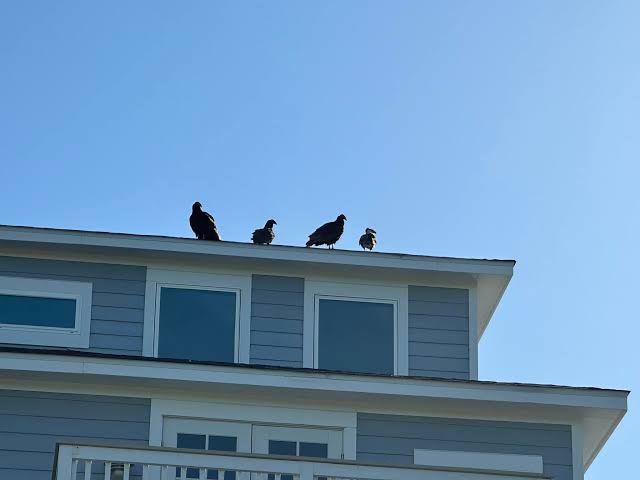
Have you ever looked up to see a massive, ominous shadow circling above, only to realize a vulture has claimed your rooftop as its personal lounge? It is more than just an eyesore; it can be a source of significant stress, hygiene concerns, and potential property damage. If you are asking yourself, “How do I get rid of vultures on my roof,” you are not alone, and there are effective, humane ways to reclaim your space.
Vultures are protected by federal law in the United States, which means you cannot harm, trap, or kill them. However, this does not mean you have to live with them. By understanding their behavior and using strategic deterrents, you can encourage them to move on without violating the Migratory Bird Treaty Act. This guide will walk you through safe, legal, and effective methods to keep your roof vulture-free.
Why Are Vultures Choosing My Roof?
Before we dive into solutions, it is crucial to understand why they are there. Vultures, particularly Black Vultures and Turkey Vultures, are scavengers. They do not hunt live prey; they look for easy meals.
If vultures are congregating on your roof, it is rarely random. They are likely attracted by one of three factors:
- Food Sources: Is there a nearby landfill, compost pile, or pet food left outside? Even a dead animal in your yard can act as a beacon.
- Safety and Visibility: Roofs offer a high vantage point to spot carrion while staying safe from ground predators.
- Roosting Habits: Once a few vultures start using a spot, others follow. They are social birds and prefer established roosting sites.
According to the Cornell Lab of Ornithology, vultures have an exceptional sense of smell (especially Black Vultures) and sight. Removing the attractants is the first step in any successful deterrence strategy.
Legal Considerations: What You Can and Cannot Do
This is the most critical section of this guide. Many homeowners make the mistake of trying to shoot, poison, or trap vultures, which can lead to severe federal fines.
The Migratory Bird Treaty Act
In the U.S., vultures are protected under the Migratory Bird Treaty Act of 1918. This federal law makes it illegal to:
- Kill vultures.
- Capture or possess them without a permit.
- Destroy their active nests or eggs.
Note: While you cannot harm the birds, you are allowed to use harassment techniques to disperse them, provided no physical harm comes to the animals. Always check with your local state wildlife agency for specific regional regulations, as some states have additional protections.
Proven Methods to Deter Vultures
Now that we know the rules, let’s look at actionable strategies. The key to success is consistency and combining multiple methods.
1. Visual Deterrents
Vultures are wary of threats. You can exploit this fear by making your roof look dangerous or occupied by predators.
- Decoy Predators: Place realistic owl or hawk decoys on your roof. Pro Tip: Move them every 2–3 days. Vultures are intelligent and will realize a stationary plastic owl is fake if it never moves.
- Reflective Objects: Hang old CDs, aluminum foil strips, or specialized reflective tape. The flashing light disorients their vision and makes landing uncomfortable.
- Eye-Spot Balloons: Large balloons with predatory eyes painted on them can be effective. The “staring” effect triggers an instinctual avoidance response.
2. Physical Barriers
If visual tricks fail, you need to make the physical act of landing difficult.
- Bird Spikes: Install stainless steel or polycarbonate bird spikes along the ridges and edges of your roof. These do not hurt the birds but prevent them from finding a flat surface to perch on.
- Slope Modifiers: Vultures prefer flat surfaces. If you have a flat roof section they favor, consider installing angled boards or netting to reduce usable landing space.
- Wire Mesh: For chimneys or vents, use heavy-duty wire mesh to block entry points. Ensure the mesh is tight enough so they cannot squeeze through.
3. Sound and Motion Activated Devices
Technology can be a great ally in wildlife control.
- Ultrasonic Repellers: These devices emit high-frequency sounds that are annoying to birds but inaudible to humans. Effectiveness varies, so look for models with good reviews.
- Motion-Activated Sprinklers: If the vultures are landing on lower roof sections or gutters, a motion-activated water sprinkler can startle them. The sudden burst of water is harmless but highly effective at breaking their habit.
- Distress Calls: Playing recorded vulture distress calls can signal danger. However, use this sparingly, as neighbors may find the noise disturbing, and birds may eventually habituate to it.
Comparison of Deterrent Methods
| Method | Cost | Effectiveness | Maintenance Level | Best For |
|---|---|---|---|---|
| Visual Decoys | Low | Moderate | High (Move frequently) | Small infestations |
| Bird Spikes | Medium | High | Low | Ridge lines & edges |
| Reflective Tape | Very Low | Low-Moderate | Medium | Budget-friendly options |
| Motion Sprinklers | Medium | High | Medium | Lower roofs/gutters |
| Professional Exclusion | High | Very High | Very Low | Persistent problems |
Step-by-Step Guide to Clearing Your Roof
If you have a current infestation, follow these steps to clear them out safely.
- Inspect the Area: Identify exactly where they are landing and look for any food sources nearby. Remove trash, secure compost bins, and bring pet food indoors.
- Choose Your Deterrents: Select a combination of visual and physical barriers. For example, use spikes on the ridge and reflective tape on the eaves.
- Install During Absence: Try to install deterrents when the vultures are not present (usually mid-day when they are soaring). If they are present, make loud noises (clapping, air horns) to scatter them before installing.
- Monitor and Adjust: Check your roof daily for the first week. If they return, change the location of your decoys or add a new deterrent type.
- Clean Up Safely: Vulture droppings are acidic and can carry bacteria. Wear a mask, gloves, and eye protection. Soak the area with a disinfectant solution before wiping it away to avoid inhaling dust.
When to Call a Professional
Sometimes, DIY methods are not enough. If you have a large colony, or if the vultures have nested (which is rare on residential roofs but possible in rural areas), you need expert help.
Professional wildlife control operators have the permits and equipment to handle large-scale exclusions. They can also install industrial-grade netting or electrical tracking systems that are too complex for typical homeowners. Look for companies certified by the National Wildlife Control Operators Association (NWCOA).
FAQ Section
1. Will vinegar repel vultures?
While vinegar is often cited as a general bird repellent due to its strong smell, there is little scientific evidence that it effectively deters vultures specifically. Vultures have a keen sense of smell, but they are driven more by the scent of carrion. Vinegar may mask odors temporarily, but it is not a reliable long-term solution compared to physical barriers.
2. Can I use poison to get rid of vultures?
No. Using poison is illegal under federal law and is extremely cruel. It can also harm other wildlife, pets, and even children. Furthermore, vultures play a vital ecological role by cleaning up carcasses; poisoning them disrupts the local ecosystem and can lead to secondary poisoning of other predators.
3. Do vultures damage roofs?
Yes, they can. Vulture droppings are highly acidic and can corrode roofing materials, paint, and metal fixtures over time. Additionally, their large size and weight can dislodge loose shingles or tiles. Their talons can also scratch soft roofing materials like wood shakes or asphalt shingles.
4. How long does it take to get rid of vultures?
It varies depending on the severity of the problem and the methods used. With consistent application of deterrents, you may see results in 1–2 weeks. However, if the site has been a long-term roost, it may take a month or more of persistent effort to break their habit. Consistency is key.
5. Are vultures dangerous to humans?
Vultures are generally not aggressive toward humans. They are scavengers, not predators. However, they can carry diseases such as salmonella and E. coli due to their diet of decaying matter. Their droppings can also pose health risks if inhaled or touched. It is best to avoid direct contact and clean any contaminated areas with proper protective gear.
Conclusion
Dealing with vultures on your roof is challenging, but it is entirely manageable with the right approach. Remember, the goal is exclusion and deterrence, not harm. By removing food sources, installing physical barriers like bird spikes, and using visual deterrents, you can make your roof an unappealing place for these scavengers.
Always prioritize legal and humane methods. If the problem persists, do not hesitate to consult a licensed wildlife professional. A vulture-free roof means a cleaner, safer, and more peaceful home environment.
Found this guide helpful? Share it with your neighbors on social media to help them protect their homes too! Together, we can manage wildlife conflicts responsibly and effectively.