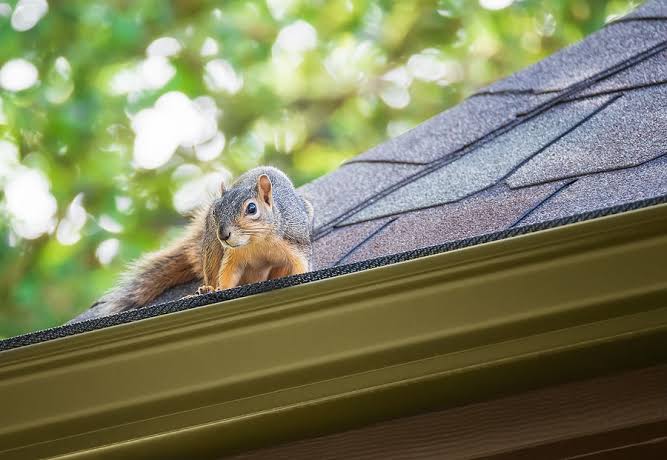
Have you ever heard the frantic scurrying of tiny feet above your head just as you’re trying to relax? It is a frustrating and surprisingly common problem for homeowners across the United States. If you are asking yourself, “How do you get rid of squirrels on your roof,” you are not alone, and more importantly, there are humane and effective solutions available to reclaim your peace of mind.
Squirrels are agile, persistent, and intelligent creatures. While they may look cute from a distance, having them inhabit your roof can lead to significant structural damage, noisy disturbances, and even health hazards. In this comprehensive guide, we will walk you through proven strategies to remove these unwanted guests safely and prevent them from returning.
Why Are Squirrels Attracted to Your Roof?
Before diving into removal tactics, it is crucial to understand why they are there in the first place. Squirrels do not choose your roof randomly; they are driven by three primary needs: shelter, safety, and food.
Your roof offers an elevated vantage point that protects them from ground predators like dogs, foxes, and cats. Furthermore, attics provide a warm, dry environment ideal for nesting, especially during the breeding seasons of spring and late summer. According to wildlife experts, a single squirrel can cause thousands of dollars in damage by chewing through electrical wires, insulation, and wooden beams.
Understanding their motivation helps you tailor your approach. If you remove the attraction (shelter and access), you remove the problem.
Immediate Steps: How Do You Get Rid Of Squirrels On Your Roof Safely?
When dealing with wildlife, safety is paramount—for both you and the animal. Aggressive tactics can lead to bites, which carry the risk of rabies or other infections. Here is a step-by-step approach to immediate removal.
1. Identify Entry Points
Walk around your home and inspect the roofline. Look for:
- Gaps in the fascia boards.
- Damaged vent covers.
- Overhanging tree branches touching the roof.
- Holes near the chimney or soffits.
Squirrels can squeeze through holes as small as 1.5 inches in diameter. If you see gnaw marks or grease stains around an opening, you have likely found their main highway.
2. Use Natural Deterrents
Squirrels have a highly sensitive sense of smell. You can use this against them without harming them.
- Peppermint Oil: Soak cotton balls in pure peppermint oil and place them near entry points. The strong scent is overwhelming to squirrels.
- Predator Urine: Commercially available predator urine (such as coyote or fox) can be sprayed around the perimeter of your roof. This triggers their instinctual fear response.
- Spicy Sprays: Create a mixture of water, cayenne pepper, and a drop of dish soap. Spray this on areas where they frequent. Note: Reapply after rain.
3. Install One-Way Exclusion Doors
This is the most humane and effective method for active infestations. A one-way door allows squirrels to leave the attic to forage but prevents them from re-entering.
How to install:
- Locate the main entry hole.
- Seal all other smaller holes with steel wool or hardware cloth.
- Attach the one-way exclusion device over the main hole.
- Wait 3–5 days to ensure all squirrels have exited.
- Permanently seal the entry point once you are certain the nest is empty.
Important Warning: Never seal an entry point if you suspect there are baby squirrels inside. Mother squirrels will become desperate and destructive if separated from their young. Breeding season typically runs from February to April and again from June to August. If you hear high-pitched chirping, consult a professional wildlife remover immediately.
Long-Term Prevention: Keeping Them Off for Good
Removing the current occupants is only half the battle. To truly answer “how do you get rid of squirrels on your roof” for good, you must fortify your home against future invasions.
Trim Your Trees
Squirrels are incredible jumpers, capable of leaping up to 10 feet horizontally. However, they prefer not to risk the jump if they don’t have to.
- Keep tree branches at least 6 to 8 feet away from your roofline.
- Remove any vines or ivy growing up the side of your house, as these act as ladders.
Install Metal Flashing and Guards
Wood and plastic are no match for squirrel teeth. Replace vulnerable materials with metal.
- Chimney Caps: Install a sturdy metal cap with mesh screening.
- Vent Covers: Use hardware cloth with a mesh size of no larger than 1/4 inch to cover soffit vents and ridge vents.
- Gutter Guards: These prevent squirrels from using gutters as pathways to access the roof deck.
Secure Trash and Food Sources
If your yard is a buffet, your roof is the dining room.
- Use squirrel-proof bird feeders.
- Keep trash cans tightly sealed.
- Pick up fallen fruit or nuts from trees in your yard regularly.
Comparison: DIY Methods vs. Professional Help
Deciding whether to handle the situation yourself or call in experts depends on the severity of the infestation and your comfort level.
| Feature | DIY Removal | Professional Wildlife Control |
|---|---|---|
| Cost | Low ($20–$100 for materials) | High ($300–$800+) |
| Effectiveness | Moderate (requires consistency) | High (guaranteed results) |
| Safety Risk | Higher (ladder work, potential bites) | Lower (trained handlers) |
| Time Commitment | High (monitoring required) | Low (they handle it all) |
| Best For | Single squirrels, preventive measures | Large infestations, babies present |
For more detailed information on squirrel behavior and biology, you can refer to Wikipedia’s entry on Squirrels, which provides extensive scientific background on their habits and habitats.
Common Mistakes to Avoid
In your quest to solve this problem, avoid these common pitfalls that can make the situation worse:
- Using Poison: This is inhumane and dangerous. A poisoned squirrel may die in your walls or attic, leading to terrible odors and attracting flies and maggots. It also poses a risk to pets and local wildlife.
- Trapping Without Checking Local Laws: In many US states, it is illegal to trap and relocate wildlife without a permit. Always check your local Department of Natural Resources regulations.
- Ignoring Small Holes: Sealing the big hole but ignoring the small ones is futile. Squirrels will simply find the next easiest way in.
FAQ Section
1. Will mothballs keep squirrels off my roof?
While mothballs contain naphthalene, which has a strong odor, they are not recommended. They are toxic to humans, pets, and the environment when used outdoors. Furthermore, rain quickly washes away their potency, making them an ineffective long-term solution. Stick to natural deterrents like peppermint oil or physical barriers.
2. Can squirrels chew through metal?
Squirrels cannot chew through heavy-gauge steel or aluminum flashing. However, they can easily chew through soft metals like thin aluminum foil, copper screens, or plastic vents. Always use hardware cloth (steel mesh) or galvanized steel for repairs.
3. What time of year are squirrels most active on roofs?
Squirrels are active year-round, but you will notice increased activity during two peak periods: early spring (February–April) and late summer (June–August). These are the primary breeding seasons when females are looking for safe nesting sites to raise their young.
4. Is it dangerous to have squirrels in my attic?
Yes. Beyond the noise, squirrels carry parasites like fleas, ticks, and mites. Their droppings can harbor salmonella and leptospirosis. Additionally, their constant chewing on electrical wiring creates a significant fire hazard. It is best to address the issue promptly.
5. How do I know if the squirrels are gone?
Listen carefully at dusk and dawn, which are their most active times. If you hear no scratching or running for 3–5 consecutive nights, they are likely gone. You can also sprinkle flour or talcum powder near the entry point; if there are no footprints after 24 hours, the area is clear.
Conclusion
Dealing with unwanted wildlife is never fun, but knowing how do you get rid of squirrels on your roof empowers you to take action. By combining immediate humane removal techniques with long-term exclusion strategies, you can protect your home from damage and restore your peace of mind.
Remember, prevention is always cheaper and easier than repair. Trim those trees, seal those gaps, and keep your yard clean. If the problem persists or involves baby squirrels, do not hesitate to call a licensed wildlife professional.
Did you find this guide helpful? Share it with your neighbors on Facebook or Twitter to help them protect their homes too! Let’s keep our communities squirrel-smart.