Have you completed a roofing project only to face silence when it’s time to get paid? It is a frustrating and stressful situation that many subcontractors and suppliers face in the construction industry. If you are asking, “Can I put a mechanic’s lien on a roofing company,” the short answer is yes, but the process is strict, state-specific, and time-sensitive.
In this guide, we will break down exactly how mechanic’s liens work, the specific challenges when dealing with roofing companies, and the step-by-step process to protect your financial interests. We aim to provide clear, actionable advice based on current US construction laws to help you recover what you are owed.
Understanding the Basics: What Is a Mechanic’s Lien?
Before diving into the “how,” it is crucial to understand the “what.” A mechanic’s lien (also known as a construction lien or property lien) is a legal claim against a property for unpaid labor or materials. It is not a lawsuit; rather, it is a security interest in the real estate itself.
When you file a lien, you are essentially telling the world, “This property owner owes me money for work done on this building.” This cloud on the title makes it difficult for the owner to sell, refinance, or transfer the property until the debt is settled.
Why Roofing Companies Are Unique Targets
Roofing projects often involve multiple layers: the homeowner (property owner), the general contractor (if applicable), and the roofing subcontractor or supplier. If you supplied shingles or performed labor for a roofing company that failed to pay you, you generally have the right to lien the property they worked on, not just sue the company.
However, the liability can shift depending on whether the roofing company was hired directly by the owner or as a subcontractor to a larger general contractor. This distinction is vital for your strategy.
Key Requirements to File a Valid Lien
You cannot simply decide to file a lien because you are angry about non-payment. To ensure your lien is enforceable in court, you must meet specific statutory requirements. These vary by state, but common elements include:
- Valid Contract: You must have a written or verbal agreement (though written is far easier to prove) for the work or materials.
- Performance of Work: You must have actually provided labor, materials, or equipment.
- Non-Payment: The amount claimed must be genuinely owed and undisputed, or at least partially undisputed.
- Timeliness: This is the most critical factor. Missing a deadline by even one day can invalidate your entire claim.
Expert Insight: According to the Legal Information Institute, mechanic’s lien laws are strictly construed by courts. This means if you make a procedural error, judges often rule against the lien filer, regardless of the merit of the unpaid bill.
Step-by-Step Guide: How to Place a Lien on a Roofing Project
If you have determined that you have a valid claim, follow these general steps. Note: Always consult with a local construction attorney, as deadlines differ significantly between states like California, Texas, and New York.
Step 1: Send a Preliminary Notice (If Required)
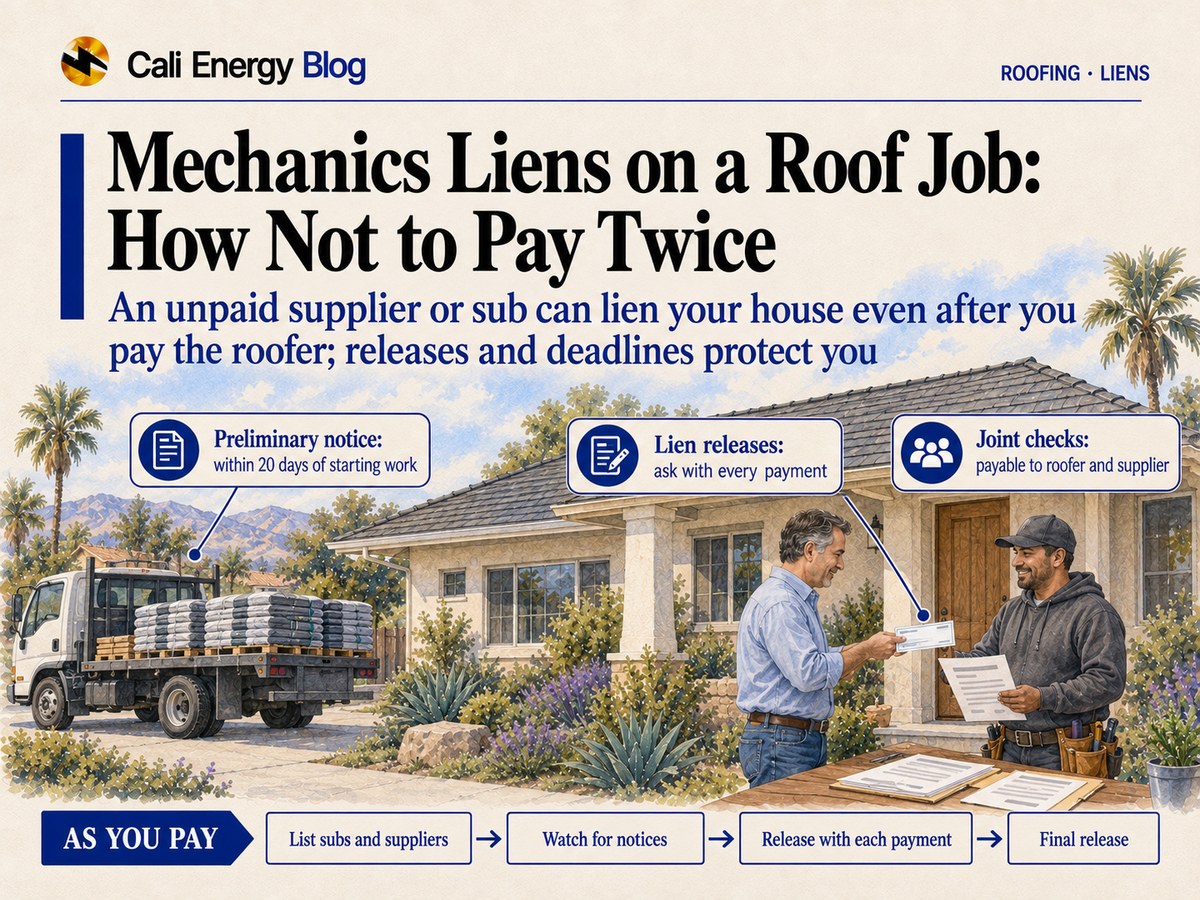
In many states (such as California, Arizona, and Nevada), you must send a “Preliminary Notice” or “Notice to Owner” within a specific window after starting work (often 20–45 days). This notice informs the property owner that you are contributing to their project and reserve your right to lien if not paid.
- Action: Check your state’s statute. If you missed this window, you may lose your lien rights entirely, even if you weren’t paid.
Step 2: Wait for the Payment Due Date
Ensure the payment is officially late. Review your contract terms. If no specific date is listed, standard industry practice often allows 30 days from invoice submission.
Step 3: Prepare the Claim of Lien
This is the formal legal document. It must include:
- Your name and address.
- The property owner’s name.
- A legal description of the property (not just the street address).
- The amount owed.
- A description of the work/materials provided.
Step 4: File and Serve the Lien
Once prepared, you must:
- File the document with the county recorder’s office where the property is located.
- Serve a copy to the property owner and the general contractor (if applicable) via certified mail or personal delivery, as required by state law.
Step 5: Enforce the Lien (Foreclosure)
Filing the lien is not the end. It puts pressure on the owner, but to actually get paid through the sale of the property, you must file a lawsuit to “foreclose” on the lien. This usually must be done within 90 days to one year after filing the lien, depending on the state.
Common Challenges When Liening a Roofing Company
While the process sounds straightforward, practical hurdles often arise. Here is a comparison of common scenarios:
| Scenario | Challenge | Recommended Action |
|---|---|---|
| Roofing Co. is Bankrupt | The company has no assets. | Focus on the lien against the property, not the company. The property value secures your debt. |
| Homeowner Already Paid | The owner paid the roofing company, who didn’t pay you. | In some states, you can still lien the property. In others, the owner is protected. Check “trust fund” statutes. |
| Disputed Quality | The roofing company claims your work was defective. | Gather evidence immediately: photos, signed delivery tickets, and email approvals. |
| Residential vs. Commercial | Residential laws are often stricter for consumer protection. | Ensure you followed all pre-lien notice requirements strictly for residential jobs. |
People Also Ask: Critical Questions Answered
1. Can I put a mechanic’s lien on a roofing company if there was no written contract?
Yes, in most states, verbal contracts are enforceable for mechanic’s liens. However, proving the scope of work and agreed-upon price is much harder without written documentation. You will need strong supporting evidence like text messages, emails, invoices, and witness testimony.
2. How long do I have to file a lien after completing the roofing work?
This varies wildly by state. For example:
- California: 90 days after completion.
- Texas: 4th month after the month work was completed (for original contractors).
- Florida: 90 days from final furnishing of labor/materials.
- New York: 8 months for private improvements. Always verify your specific state’s deadline. Missing this window waives your right to lien forever.
3. Does filing a lien hurt the roofing company’s credit?
Indirectly, yes. While the lien is attached to the property, public records of liens can signal financial instability. If the roofing company fails to resolve the lien, it may lead to a judgment against them, which definitely impacts their business credit score and ability to secure bonds or insurance.
4. What if the property owner says they already paid the roofing contractor?
This is a common defense. In many jurisdictions, if the owner paid the general contractor in good faith before receiving your preliminary notice, they may not be liable for your claim. However, if you sent proper preliminary notices, the owner is often legally required to withhold funds to pay you directly. This is why Step 1 (Preliminary Notice) is so critical.
5. Can I lien the property if the roofing company is an LLC?
Yes. The lien is against the real estate, not the business entity. Whether the roofing company is a sole proprietorship, LLC, or Corporation, the debt is secured by the improvement made to the land. The legal structure of the debtor does not prevent you from filing a lien on the property they improved.
Strategic Tips for Success
To maximize your chances of getting paid without going to court, consider these professional tips:
- Communicate Early: Let the property owner know you haven’t been paid. Often, owners will withhold payment from the roofing company once they realize a lien is imminent. They want a clean title.
- Be Accurate: Only lien for the exact amount owed. Overstating the claim can lead to penalties and legal fees against you.
- Use Certified Mail: Always keep proof of delivery for every notice you send.
- Consult a Lawyer: For amounts over $5,000, the cost of a consultation with a construction lawyer is usually worth it to ensure your paperwork is flawless.
Conclusion
So, can you put a mechanic’s lien on a roofing company? Yes, you can place a lien on the property they worked on to secure payment for your unpaid services or materials. It is a powerful tool designed to protect those who build and supply our infrastructure.
However, it is not a magic bullet. It requires strict adherence to deadlines, proper notice, and accurate documentation. By understanding the process and acting quickly, you can turn the tables on non-paying clients and ensure your hard work is compensated.
If you found this guide helpful, please share it with your fellow contractors and suppliers on social media. Knowledge is power in the construction industry, and helping others protect their rights strengthens our entire community.