Choosing the right covering for a low-slope structure can feel overwhelming, especially with so many synthetic options flooding the market. You want a solution that stops leaks, lasts decades, and doesn’t break the bank. If you are asking what is the best roofing material for a flat roof, you are not alone; this is one of the most critical decisions for maintaining your property’s integrity.
Flat roofs are common in modern residential architecture and commercial buildings across the US. Unlike pitched roofs that shed water quickly, flat roofs must withstand pooling water, UV exposure, and temperature fluctuations. Making the wrong choice can lead to costly repairs down the line. Let’s dive into the top contenders to help you make an informed decision.
Why Flat Roofs Need Specialized Materials
Before we pick a winner, it is vital to understand why you cannot simply use standard asphalt shingles on a flat surface. Shingles rely on gravity to move water downward. On a flat roof, water sits. This requires materials that are 100% waterproof rather than just water-resistant.
The primary enemies of a flat roof are:
- UV Radiation: Breaks down chemical bonds in cheaper materials.
- Thermal Shock: Expansion and contraction from day/night temperature swings.
- Ponding Water: Standing water that can seep into microscopic cracks over time.
According to industry standards, a “flat” roof actually has a slight pitch (usually 1/4 inch per foot) to encourage drainage. However, even with proper slope, the material must be seamless or tightly sealed to prevent intrusion.
Top Contender 1: TPO (Thermoplastic Polyolefin)
TPO has rapidly become the go-to choice for many homeowners and contractors in the last decade. It is a single-ply membrane that combines durability with energy efficiency.
Why TPO is Often the Best Choice
TPO is a blend of polypropylene and ethylene-propylene rubber. It is typically white, which offers significant reflective properties.
- Energy Efficiency: The white surface reflects sunlight, reducing cooling costs by up to 20% in hot climates like Arizona or Texas.
- Durability: It resists punctures and tears better than many older materials.
- Cost-Effective: It sits in the mid-range price bracket, offering great value for money.
Lifespan: 20–30 years with proper maintenance.
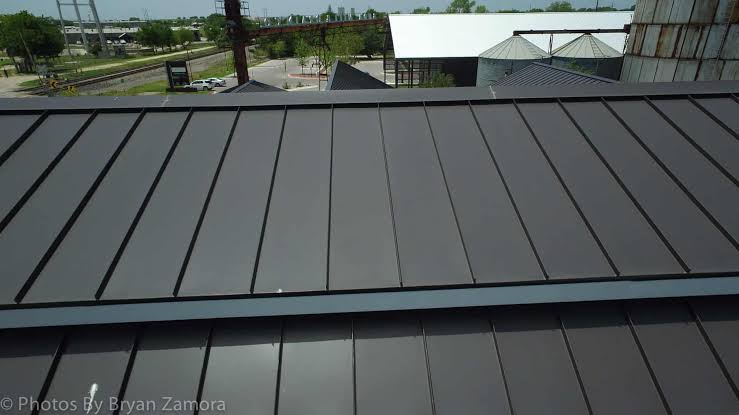
Top Contender 2: EPDM (Ethylene Propylene Diene Monomer)
Often referred to as “rubber roofing,” EPDM has been a staple in the industry for decades. If you have seen a black, rubber-like sheet on a commercial building, it was likely EPDM.
The Pros and Cons of Rubber Roofing
EPDM is incredibly flexible and handles temperature extremes well. It does not become brittle in cold weather, making it ideal for northern states like Minnesota or New York.
- Pros:
- Excellent resistance to hail and impact.
- Easy to repair using liquid adhesives or tape.
- Long track record of performance (50+ years of history).
- Cons:
- The black color absorbs heat, which can increase cooling bills.
- It can shrink over time, pulling away from flashings if not installed correctly.
- Vulnerable to damage from oils or certain chemicals.
Lifespan: 20–30 years.
Top Contender 3: PVC (Polyvinyl Chloride)
PVC is the premium option for flat roofs. It is chemically similar to the plastic used in pipes but engineered for roofing. It is known for its strength and resistance to chemicals.
When to Choose PVC
If your roof is exposed to industrial pollutants, grease vents (common in restaurants), or standing water, PVC is often the superior choice.
- Chemical Resistance: It stands up to oils, fats, and industrial fumes better than TPO or EPDM.
- Seam Strength: PVC seams are heat-welded, creating a bond that is often stronger than the membrane itself. This drastically reduces leak risks.
- Fire Resistance: PVC has a high fire rating, which can lower insurance premiums in some areas.
Lifespan: 20–30+ years.
Comparison Table: Quick Overview
To help you visualize the differences, here is a breakdown of the three major players.
| Feature | TPO | EPDM (Rubber) | PVC |
|---|---|---|---|
| Cost | Moderate | Low to Moderate | High |
| Energy Efficiency | High (Reflective) | Low (Absorbs Heat) | High (Reflective) |
| Installation | Heat Welded | Adhesive/Tape | Heat Welded |
| Best For | General Residential | Cold Climates | Chemical Exposure |
| Durability | High | Medium-High | Very High |
Other Options: Modified Bitumen and Built-Up Roofing
While single-ply membranes dominate the modern market, older methods still exist.
Modified Bitumen is an asphalt-based product reinforced with fiberglass or polyester. It is often installed in torch-down or self-adhering sheets. It is heavy and durable but requires professional installation due to fire risks during torching.
Built-Up Roofing (BUR) involves multiple layers of asphalt and felt. It is extremely heavy and labor-intensive. While durable, it is rarely recommended for new residential installations today due to the availability of lighter, more efficient options. For more historical context on roofing evolution, you can refer to Wikipedia’s entry on roofing.
How to Choose the Right Material for Your Climate
The “best” material depends heavily on where you live.
- Hot and Sunny Climates: Choose TPO or PVC. The reflective white surface will keep your attic cooler and reduce strain on your HVAC system.
- Cold and Snowy Climates: EPDM is a strong contender because it remains flexible in sub-zero temperatures. However, modern TPO formulations have also improved in cold-weather performance.
- Areas with Heavy Rain: PVC is ideal due to its welded seams, which provide the highest level of water tightness.
Installation Matters More Than Material
Even the best material will fail if installed poorly. Flat roofing relies entirely on the quality of the seams and flashings.
- Hire a Specialist: Do not hire a general handyman. Look for contractors certified by the manufacturer (e.g., GAF, Firestone, or Carlisle).
- Check the Warranty: Most manufacturers offer 10–20 year warranties, but these are often voided if non-certified installers do the work.
- Inspect Flashings: 90% of leaks occur at penetrations (vents, chimneys, AC units). Ensure these areas are reinforced with extra layers or metal collars.
Maintenance Tips to Extend Roof Life
Regardless of the material you choose, maintenance is key.
- Keep it Clean: Remove leaves and debris twice a year. Debris holds moisture, which accelerates degradation.
- Check Drainage: Ensure scuppers and drains are clear. Ponding water adds unnecessary weight and stress.
- Annual Inspection: Have a professional inspect the roof every spring. Catching a small tear early can save thousands in replacement costs.
FAQ Section
What is the cheapest flat roofing material?
EPDM is generally the most affordable option upfront. However, when considering longevity and energy savings, TPO often provides better long-term value despite a slightly higher initial cost.
Can I walk on my flat roof?
Yes, but with caution. Most single-ply membranes (TPO, PVC, EPDM) can handle foot traffic for maintenance. However, you should wear soft-soled shoes to avoid puncturing the membrane. Avoid walking on the roof in extreme heat or cold when the material may be more susceptible to damage.
How long does a flat roof last?
A well-installed flat roof made of TPO, PVC, or EPDM typically lasts between 20 and 30 years. Built-up roofs may last 15–20 years, while cheaper roll-roofing options might only last 5–10 years.
Is TPO better than EPDM?
For most residential applications, TPO is considered better due to its energy efficiency and ease of installation via heat welding. EPDM is still excellent for cold climates but lacks the reflective properties of TPO.
Can I install a flat roof myself?
It is not recommended. Flat roofing requires specific tools (heat welders, rollers) and expertise to ensure seams are watertight. A DIY error can lead to significant interior water damage. Always hire a licensed professional.
Conclusion
So, what is the best roofing material for a flat roof? For most homeowners in the US, TPO (Thermoplastic Polyolefin) strikes the best balance between cost, durability, and energy efficiency. Its reflective surface saves money on cooling, and its heat-welded seams provide reliable leak protection.
However, if you live in an area with extreme chemical exposure, PVC is worth the extra investment. If you are in a very cold climate and budget is a primary concern, EPDM remains a solid, proven choice.
Don’t let your roof become a headache. Assess your climate, budget, and long-term goals. Share this guide with friends or family who are facing similar roofing decisions, and help them make the right choice for their homes!