Have you ever woken up with a scratchy throat, only to discover alarming red spots on the roof of your mouth? It is a frightening experience that often leads to immediate anxiety about whether you are dealing with a serious bacterial infection or a common cold. Understanding the difference between a viral infection strep throat red spots on roof of mouth scenario is crucial for getting the correct treatment and avoiding unnecessary antibiotics.
In this guide, we will break down exactly what those red spots mean, how to differentiate between viral and bacterial causes, and when you need to see a doctor. We aim to provide clear, medically accurate information to help you navigate this uncomfortable health issue with confidence.
What Are Those Red Spots on the Roof of My Mouth?
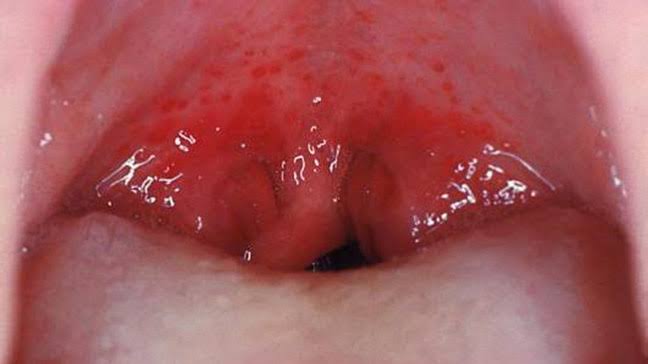
When you look in the mirror and see tiny red dots on your soft palate (the back part of the roof of your mouth), you are likely looking at petechiae. These are small, pinpoint hemorrhages caused by broken capillaries under the skin. While they can look scary, they are a common clinical sign used by doctors to help diagnose throat infections.
However, the presence of petechiae alone does not confirm a specific diagnosis. They are a symptom, not a disease itself. To understand their origin, we must look at the two primary culprits: Group A Streptococcus bacteria and various viruses.
The Role of Petechiae in Diagnosis
Medical professionals often use the presence of palatal petechiae as one of several criteria in the Centor Criteria, a clinical prediction rule used to estimate the probability of strep throat. However, it is vital to note that while these spots are highly associated with strep, they are not exclusive to it.
Is It Strep Throat or a Viral Infection?
This is the most critical question patients ask. Many people assume that “strep throat” is the only cause of severe sore throats with spots, but viruses are actually more common. Let’s dissect the differences.
The Case for Strep Throat (Bacterial)
Strep throat is caused by Streptococcus pyogenes (Group A Strep). It is a bacterial infection that requires antibiotic treatment to prevent complications like rheumatic fever.
Key Indicators of Strep:
- Sudden Onset: The pain hits quickly and severely.
- High Fever: Often above 101°F (38.3°C).
- No Cough: This is a major differentiator. Strep rarely causes a cough.
- Swollen Lymph Nodes: Tender nodes in the front of the neck.
- White Patches: Pus or white streaks on the tonsils.
- Red Spots: Petechiae on the soft palate are present in many cases.
According to the Centers for Disease Control and Prevention (CDC), strep throat is most common in children aged 5 to 15, though adults can certainly contract it. If you have the red spots plus fever and no cough, the likelihood of strep increases significantly.
The Case for Viral Infections
Viruses cause the majority of sore throats (pharyngitis). Common offenders include the rhinovirus (common cold), influenza, adenovirus, and even mononucleosis (“mono”).
Key Indicators of Viral Pharyngitis:
- Gradual Onset: Symptoms may build up over a day or two.
- Associated Cold Symptoms: Runny nose, congestion, or sneezing.
- Cough: A dry or productive cough is very common.
- Hoarseness: Your voice may sound raspy.
- Red Spots: Some viruses, particularly Coxsackievirus (Hand, Foot, and Mouth Disease) or Adenovirus, can also cause red spots or blisters on the roof of the mouth.
Important Distinction: If you have red spots on the roof of your mouth along with a runny nose and cough, it is statistically much more likely to be a viral infection rather than strep throat. Antibiotics will not help a viral infection and may cause harmful side effects.
Comparison: Viral vs. Bacterial Symptoms
To help you visualize the differences, here is a quick comparison table. Please remember this is for educational purposes and not a substitute for professional medical advice.
| Feature | Strep Throat (Bacterial) | Viral Pharyngitis |
|---|---|---|
| Onset | Sudden | Gradual |
| Fever | High (>101°F) | Low grade or none |
| Cough | Rare | Common |
| Nasal Congestion | Rare | Common |
| Palatal Spots | Common (Petechiae) | Possible (depending on virus) |
| Tonsil Appearance | White pus/swelling | Red/swollen (rarely pus) |
| Treatment | Antibiotics | Rest, fluids, time |
Other Causes of Red Spots on the Roof of the Mouth
While we are focusing on the phrase viral infection strep throat red spots on roof of mouth, it is important to acknowledge other possibilities to ensure a comprehensive understanding.
- Hand, Foot, and Mouth Disease (HFMD): Caused by the Coxsackievirus, this is common in young children but can affect adults. It causes painful sores or red spots in the mouth and a rash on hands and feet.
- Mononucleosis (Mono): Often called the “kissing disease,” mono can cause severe sore throat, fatigue, and sometimes petechiae on the palate. It is viral and requires rest, not antibiotics.
- Allergic Reactions: Severe allergies can sometimes cause inflammation and minor bleeding in the throat tissues, though this is less common.
- Trauma: Eating sharp foods (like chips) or thermal burns from hot pizza can cause temporary red spots or irritation.
When Should You See a Doctor?
Not every sore throat requires a trip to the clinic. However, because untreated strep throat can lead to serious complications, knowing when to seek help is vital.
Seek medical attention if:
- Your sore throat lasts longer than 48 hours.
- You have a fever higher than 101°F (38.3°C).
- You have difficulty breathing or swallowing.
- You see white pus patches on your tonsils.
- You have a rash accompanying the sore throat (could indicate Scarlet Fever).
- You have been exposed to someone with confirmed strep throat.
A simple Rapid Strep Test or a throat culture can definitively determine if bacteria are present. This test takes only minutes and provides peace of mind.
Home Remedies and Management Steps
Whether your condition is viral or bacterial, managing symptoms is key to recovery. Here is a step-by-step approach to feeling better while your body fights the infection.
Step 1: Hydration is Critical
Dehydration worsens throat pain. Aim to drink at least 2 liters of water throughout the day. Keep the temperature moderate (22–28°C) to avoid irritating the throat further. Warm herbal teas with honey can also soothe inflammation.
Step 2: Salt Water Gargle
This old remedy works. Mix 1/2 teaspoon of salt into 8 ounces of warm water. Gargle for 10–15 seconds and spit it out. Repeat this 3–4 times a day. This helps reduce swelling and loosens mucus.
Step 3: Pain Management
Over-the-counter pain relievers like acetaminophen (Tylenol) or ibuprofen (Advil) can help reduce fever and throat pain. Always follow the dosage instructions on the label.
Step 4: Rest Your Voice
Talking strains the inflamed tissues in your throat. Try to speak softly or limit conversation until the acute pain subsides.
Step 5: Humidify the Air
Dry air irritates a sore throat. Use a cool-mist humidifier in your bedroom, especially if you live in a dry climate or use heating during winter months.
Frequently Asked Questions (FAQ)
1. Can a viral infection cause red spots on the roof of the mouth similar to strep?
Yes. While palatal petechiae are classically associated with strep throat, certain viral infections like Adenovirus, Epstein-Barr Virus (Mono), and Coxsackievirus can also cause red spots or blister-like lesions on the soft palate. Contextual symptoms like cough and runny nose usually point to a viral cause.
2. Do red spots on the roof of the mouth always mean I need antibiotics?
No. Antibiotics only treat bacterial infections like strep throat. If your red spots are caused by a virus, antibiotics will be ineffective and may contribute to antibiotic resistance. A rapid strep test is necessary to confirm if antibiotics are needed.
3. How long do red spots on the roof of the mouth last?
If caused by strep throat and treated with antibiotics, the spots and pain usually improve within 24–48 hours. If viral, the spots may persist for 3–7 days as the immune system clears the infection. If they last longer than a week, consult a healthcare provider.
4. Is it contagious if I have red spots on my palate?
Yes, both strep throat and viral pharyngitis are highly contagious. Strep spreads through respiratory droplets (coughing/sneezing) or shared utensils. Viruses spread similarly. Practice good hygiene, wash hands frequently, and avoid sharing drinks until you have been on antibiotics for 24 hours (if strep) or symptoms have resolved (if viral).
5. Can stress cause red spots on the roof of the mouth?
Stress itself does not directly cause infectious red spots. However, high stress can weaken the immune system, making you more susceptible to viral or bacterial infections that do cause these spots. Stress can also lead to behaviors like teeth grinding, which might cause physical trauma to the mouth, but this looks different from infectious petechiae.
Conclusion
Discovering red spots on the roof of your mouth can be alarming, but it is a manageable condition. Whether you are dealing with a viral infection or strep throat, the key is to look at the whole picture of your symptoms. Remember, the presence of a cough and runny nose strongly suggests a viral origin, while sudden high fever and lack of cough point toward strep.
By understanding the differences, you can avoid unnecessary medication and focus on effective relief. Don’t hesitate to get tested if you are unsure—peace of mind is worth the visit.
Did you find this guide helpful? Share it with friends and family on social media to help them distinguish between viral and bacterial throat issues!