Replacing a thatched roof is one of the most significant financial commitments a homeowner can make, often sparking anxiety about budget overruns and hidden fees. If you are staring at aging straw or reeds and wondering how much does it cost to replace a thatched roof, you are not alone in seeking clarity amidst varying quotes. This guide breaks down the real costs, helping you plan your project with confidence and avoid unpleasant financial surprises.
Understanding the Total Cost of Thatch Replacement
When we discuss the cost of replacing a thatched roof, it is crucial to understand that this is not a standard roofing job. Unlike asphalt shingles or metal roofing, thatching is a specialized craft requiring skilled artisans who are becoming increasingly rare in the United States.
In 2026, the average cost to fully replace a thatched roof in the US ranges between $40,000 and $85,000, depending heavily on the size of the roof, the type of material used, and your geographic location. For smaller structures like gazebos or sheds, costs may start around $15,000, while large historic estates can easily exceed $100,000.
The price per square foot typically falls between $20 and $35. However, this metric can be misleading because thatchers often charge by the “square” (100 square feet) or by the volume of material required. The complexity of the roof design—such as the number of valleys, dormers, and chimneys—plays a massive role in the final bill.
Key Cost Drivers
- Labor: Accounts for 60–70% of the total cost due to the specialized skill set required.
- Materials: High-quality water reed or long-straw wheat.
- Scaffolding: Essential for safety and access, often costing $2,000–$5,000 separately.
- Removal: Disposing of old thatch and preparing the roof deck.
What Factors Influence Thatched Roof Prices?
Several variables can swing your final invoice significantly. Understanding these helps you anticipate where your money is going.
1. Type of Thatching Material
Not all thatch is created equal. The two primary materials used in the US are Water Reed and Long Straw.
- Water Reed: This is the premium choice. It is more durable, lasting 40–60 years, and offers a cleaner, sharper aesthetic. However, it is more expensive due to import costs (often from Europe) or limited domestic supply.
- Long Straw: More traditional and rustic, straw lasts 15–25 years. It is generally cheaper upfront but requires more frequent maintenance and replacement cycles.
2. Roof Complexity and Pitch
A simple gable roof is far cheaper to thatch than a complex hip roof with multiple intersections. The pitch (angle) of the roof also matters. Steeper pitches require more safety equipment and take longer to complete, driving up labor hours.
3. Geographic Location
If you live in an area with few certified thatchers, such as parts of the Midwest or West Coast, you may pay a premium for travel and accommodation expenses for the artisan. In contrast, regions with a higher concentration of historic homes, like parts of New England or Virginia, may have more competitive local pricing.
4. Structural Repairs
Before new thatch can be applied, the underlying roof structure must be sound. If your rafters or battens need replacement due to rot or insect damage, this will add to the cost. Always budget an extra 10–15% for unforeseen structural repairs.
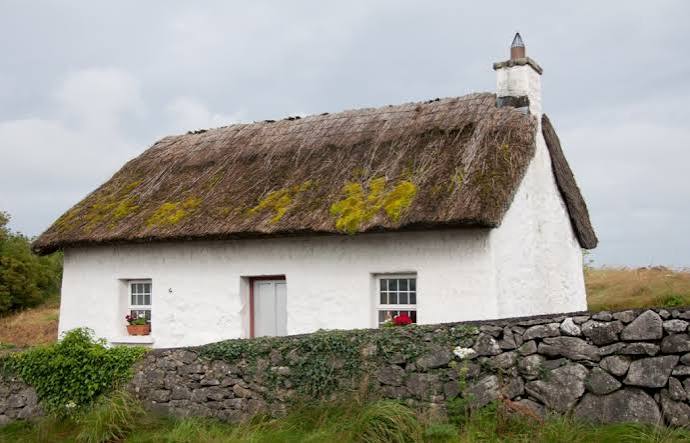
Material Comparison: Water Reed vs. Long Straw
Choosing the right material is critical for both budget and longevity. Here is a quick comparison to help you decide.
| Feature | Water Reed | Long Straw |
|---|---|---|
| Lifespan | 40–60 years | 15–25 years |
| Cost | High ($25–$35/sq ft) | Moderate ($15–$25/sq ft) |
| Maintenance | Low | Moderate to High |
| Appearance | Neat, uniform, sharp lines | Rustic, textured, softer look |
| Durability | Highly resistant to wind/rain | Less resistant to severe weather |
| Best For | Long-term investment, wet climates | Budget-conscious, historical accuracy |
For many US homeowners, water reed is the preferred option despite the higher initial cost because it reduces the frequency of replacement. Over a 60-year period, you might replace a straw roof three times, whereas a reed roof only once.
The Step-by-Step Replacement Process
Understanding the workflow helps you manage expectations during the project. A typical replacement takes 4–8 weeks for an average-sized home.
- Site Assessment and Quote: A master thatcher inspects the roof structure and measures the area. They provide a detailed quote including materials and labor.
- Scaffolding Installation: Safe access is paramount. Scaffolding is erected around the property, which may require permits depending on local zoning laws.
- Stripping the Old Roof: The existing thatch is removed carefully to avoid damaging the underlying timber. The debris is cleared away.
- Structural Inspection and Repair: The roof deck is inspected. Any rotten battens or rafters are replaced. A new breathable underlay is often installed to improve insulation and moisture control.
- Fixing Battens: New wooden battens are fixed horizontally across the rafters. These will hold the thatch in place.
- Thatching Application: The thatcher begins laying the material, starting from the eaves and working up to the ridge. This is done in layers called “bolts.”
- Ridge Work: The ridge is the most vulnerable part of the roof. It is capped with a distinct style, often using wire netting or additional reed bundles for protection.
- Wire Netting Installation: To protect against birds and squirrels, a mesh net is usually stapled over the thatch. This is optional but highly recommended in the US.
- Final Cleanup: Scaffolding is removed, and the site is cleaned. A final inspection ensures the thickness and fixings meet industry standards.
For more detailed information on traditional building methods, you can refer to Wikipedia’s article on Thatching, which provides a global historical context for this ancient craft.
Maintenance Costs After Replacement
Your investment doesn’t end with installation. Proper maintenance extends the life of your thatched roof significantly.
- Annual Inspections: Hire a professional once a year to check for loose patches or bird damage. Cost: $150–$300.
- Ridge Replacement: The ridge wears out faster than the main body. It typically needs replacing every 10–15 years. Cost: $2,000–$5,000.
- Cleaning: Removing moss and debris prevents moisture retention. Cost: $200–$400.
Ignoring maintenance can void warranties and lead to premature failure, costing you thousands in early replacement fees.
Frequently Asked Questions (FAQ)
How long does a thatched roof last in the US climate?
With proper maintenance, a water reed roof can last 40–60 years, while long straw lasts 15–25 years. The humid climate in some US regions may reduce lifespan slightly compared to drier European climates, making ventilation crucial.
Is a thatched roof more expensive than slate or tile?
Yes, initially. A high-end slate roof might cost $20–$30 per square foot installed, similar to thatch. However, slate lasts 75–100 years. Thatch is chosen for its aesthetic, historical value, and superior insulation properties, not necessarily for long-term cost savings.
Does homeowners insurance cover thatched roofs?
Many standard insurers hesitate to cover thatched roofs due to fire risk. You may need a specialist insurer, which can cost 20–50% more than standard premiums. Ensure your policy covers “accidental damage” and has clear clauses on maintenance requirements.
Can I install a thatched roof myself?
No. Thatching is a highly specialized trade requiring years of apprenticeship. Incorrect installation can lead to leaks, structural damage, and fire hazards. Always hire a certified master thatcher with proven experience in the US market.
Are there tax credits for installing a thatched roof?
While there are no specific federal tax credits for thatching itself, if the roof improves energy efficiency (due to thick insulation properties), you might qualify for certain green home improvement incentives. Consult a tax professional for current 2026 regulations.
Conclusion
Deciding how much does it cost to replace a thatched roof involves looking beyond the initial price tag. While the upfront cost of $40,000 to $85,000 is significant, the unique beauty, historical charm, and natural insulation of a thatched roof offer value that standard materials cannot match. By choosing high-quality water reed and committing to regular maintenance, you protect your investment and ensure your home remains a stunning landmark for decades.
If you found this guide helpful, please share it on social media to help other homeowners navigate the complexities of historic roof restoration. Your share could save someone from a costly mistake!