Have you ever looked at a home with sleek, seamless roofing and wondered if those were just stylish shingles or something more? Many homeowners are curious about solar panels that are built into a roof are called integrated solar systems, but the terminology can be confusing. If you are looking to upgrade your home’s energy efficiency without compromising on curb appeal, understanding this technology is the first step toward a smarter, greener investment.
Understanding the Terminology: What Are They Actually Called?
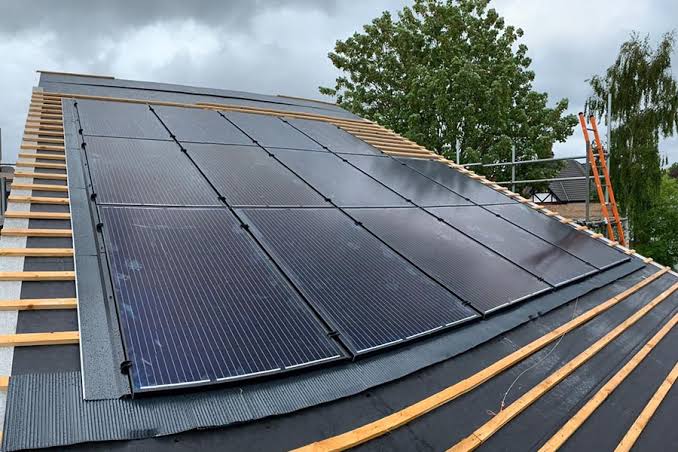
When people ask what solar panels that are built into a roof are called, they are usually referring to one of two specific technologies: Solar Shingles or Building-Integrated Photovoltaics (BIPV).
While traditional solar panels are mounted on top of your existing roof using racks and brackets, these integrated solutions are designed to become the roof itself. The most common consumer-facing term you will hear is Solar Shingles. However, in the broader architectural and engineering world, this falls under the umbrella of BIPV.
Solar Shingles vs. Traditional Panels
It is crucial to distinguish between these two because the installation process and aesthetic results are vastly different.
- Traditional Solar Panels: These are the large, rectangular blue or black modules you see on many rooftops. They sit above the roofing material.
- Solar Shingles/Tiles: These look like standard asphalt shingles, slate, or clay tiles. Each individual shingle contains photovoltaic cells, allowing them to generate electricity while protecting your home from the elements.
According to industry standards, for a product to be considered truly “built-in,” it must serve as both the weatherproofing layer of the roof and the energy generator. This dual functionality is what sets BIPV apart from rack-mounted systems.
How Do Solar Roof Tiles Work?
You might be wondering how a thin shingle can generate enough power to run a household. The technology behind solar shingles has advanced significantly in the last decade.
The Technology Inside
Most modern solar shingles use monocrystalline silicon cells, similar to traditional panels, but they are packaged differently. Instead of being framed in aluminum and covered by a single sheet of glass, the cells are embedded directly into durable materials like tempered glass or composite polymers.
- Absorption: Sunlight hits the surface of the shingle.
- Conversion: The photovoltaic cells convert sunlight into direct current (DC) electricity.
- Transmission: Wires hidden beneath the shingles connect each unit to an inverter.
- Usage: The inverter converts DC to alternating current (AC), which powers your home.
The key difference is the interconnectivity. In a traditional system, wires are visible or tucked under rails. In a built-in system, the wiring is often concealed within the roofing structure, creating that clean, flush appearance homeowners desire.
Solar Shingles vs. Traditional Panels: A Detailed Comparison
Choosing between built-in solar and traditional racks depends on your budget, aesthetic preferences, and roof condition. Here is a breakdown to help you decide.
| Feature | Solar Shingles (BIPV) | Traditional Solar Panels |
|---|---|---|
| Aesthetics | Sleek, seamless, looks like normal roofing | Bulky, visible mounting hardware |
| Installation | Replaces entire roof; complex installation | Mounted on existing roof; easier install |
| Cost | Higher upfront cost ($20–$30 per sq. ft.) | Lower upfront cost ($2.50–$3.50 per watt) |
| Efficiency | Slightly lower per square foot | Higher efficiency due to cooling airflow |
| Durability | High (often rated for hail and high winds) | High, but vulnerable to wind uplift if not secured |
| Best For | New roofs or full replacements | Existing roofs in good condition |
The Efficiency Trade-off
One critical factor to consider is airflow. Traditional panels are elevated off the roof, allowing air to circulate underneath. This cooling effect helps maintain higher efficiency, as solar panels lose performance when they get too hot. Solar shingles lie flat against the roof deck, which can lead to higher operating temperatures. However, manufacturers like Tesla and GAF Energy have developed advanced materials to mitigate heat buildup, narrowing the efficiency gap.
Top Brands Leading the Market
If you are ready to explore options, knowing who the major players are will help you navigate the market. Not all “built-in” solutions are created equal.
- Tesla Solar Roof: Perhaps the most famous name in the industry. Tesla’s glass tiles are incredibly durable and come with a sleek, modern look. They integrate seamlessly with the Tesla Powerwall battery system.
- GAF Energy (Timberline Solar): GAF offers the first nationally available nailable solar shingles. This is a game-changer for installers because they can be installed using standard roofing nails, reducing labor time and cost.
- CertainTeed Apollo II: These shingles mimic the look of traditional slate or wood shake roofs, making them ideal for historic districts or homes where aesthetics are paramount.
- SunTegra: Known for low-profile modules that sit closer to the roof than traditional racks but are not fully integrated shingles. They offer a middle-ground solution.
For more technical details on photovoltaic principles, you can refer to Wikipedia’s page on Photovoltaics, which provides a deep dive into the science behind solar energy conversion.
Is It Worth the Investment? Cost and ROI Analysis
Let’s address the elephant in the room: price. Solar shingles are generally more expensive than traditional panels. But does the premium pay off?
When Solar Shingles Make Financial Sense
- You Need a New Roof Anyway: If your current roof is old and needs replacement, the cost differential shrinks. You are paying for a roof and solar simultaneously. Installing traditional panels on an old roof means you’ll have to remove and reinstall them when the roof eventually fails, adding significant cost later.
- Home Value and Curb Appeal: In high-end real estate markets, the aesthetic appeal of invisible solar can increase property value more than visible panels. Buyers often prefer the clean look of BIPV.
- Tax Credits and Incentives: In the United States, the Federal Solar Investment Tax Credit (ITC) applies to solar shingles. As of 2026, homeowners can still claim a significant percentage of the installation cost back on their federal taxes. Always check local state incentives as well, as some states offer additional rebates for BIPV.
The Payback Period
While traditional panels might have a payback period of 7–9 years, solar shingles often range from 10–15 years due to the higher initial cost. However, with rising electricity rates in many US states, this timeline is shortening.
Installation Process: What to Expect
Installing solar shingles is not a DIY project. It requires certified professionals who are skilled in both roofing and electrical work.
- Roof Inspection: A structural assessment ensures your roof deck can support the weight (though shingles are often lighter than tile roofs).
- Removal of Old Roofing: The existing shingles are stripped away.
- Underlayment Installation: A water-resistant barrier is laid down.
- Shingle Placement: Installers lay the solar shingles starting from the bottom edge, connecting them as they go up. Non-solar shingles are used for areas that don’t need coverage (like the north side of the roof).
- Electrical Connection: The system is wired to the inverter and connected to your home’s electrical panel.
- Inspection and Activation: Local building inspectors verify the work, and the utility company approves the grid connection.
Frequently Asked Questions (FAQ)
1. Are solar shingles as durable as traditional roofing materials?
Yes, in many cases, they are more durable. Most solar shingles are made from tempered glass or heavy-duty composites rated to withstand hail, high winds (up to 130 mph), and fire. Tesla, for example, offers a warranty that covers both the power generation and the structural integrity of the tiles.
2. Can I add solar shingles to my existing roof?
Technically, yes, but it is rarely recommended. Solar shingles are designed to be the primary roofing layer. Installing them over existing shingles can void warranties and create ventilation issues. They are best suited for new construction or full roof replacements.
3. What happens if one shingle breaks?
Unlike traditional panels where one damaged panel can affect the whole string, modern solar shingle systems are often designed with bypass diodes. This means if one shingle is shaded or damaged, the rest of the system continues to operate efficiently. Replacement involves removing the specific damaged shingle, similar to fixing a regular roof leak.
4. Do solar shingles work in cloudy weather?
Yes, they do. While they produce less energy than on sunny days, photovoltaic cells still generate electricity from diffuse sunlight. However, like all solar tech, their output is reduced compared to peak sun conditions.
5. Will my homeowner’s insurance cover solar shingles?
Most standard homeowner’s insurance policies cover solar installations, but you must inform your provider. Because solar shingles are part of the roof structure, they may be covered under your dwelling coverage rather than as a separate accessory. Always verify with your insurer to ensure you are adequately protected.
Conclusion
So, what are solar panels that are built into a roof called? They are primarily known as Solar Shingles or Building-Integrated Photovoltaics (BIPV). This technology represents the future of residential solar, merging functionality with sophisticated design.
While the upfront cost is higher than traditional rack-mounted systems, the long-term benefits of durability, increased home value, and seamless aesthetics make them a compelling choice for homeowners planning a roof replacement. As technology improves and prices become more competitive, BIPV is likely to become the standard for new eco-friendly homes across the US.
If you found this guide helpful, please share it with friends or family who are considering going solar. Spreading knowledge about sustainable energy options helps us all build a cleaner future!