If you are staring up at your roof and wondering if those granules in your gutters are a normal part of aging or a cry for help, you are not alone. It is one of the most common anxieties for homeowners, especially as storm seasons approach or when planning a budget for home improvements. Understanding exactly how long does a shingle roof last on a house is crucial for protecting your biggest investment and avoiding unexpected financial shocks.
In this guide, we will break down the realistic lifespan of different shingle types, the environmental factors that accelerate wear, and the specific signs that indicate it is time to call a professional. Let’s dive into the details so you can make an informed decision with confidence.
The Realistic Lifespan of Asphalt Shingles
When discussing roofing materials, asphalt shingles are the undisputed king of the American residential market. However, “asphalt shingle” is a broad category. The longevity of your roof depends heavily on the specific type of shingle installed.
1. Three-Tab Shingles (Standard)
These are the traditional, flat-looking shingles that were standard for decades. They are lightweight and affordable but offer the least durability.
- Average Lifespan: 15 to 20 years.
- Best For: Budget-conscious projects or temporary roofing solutions.
- Reality Check: In harsh climates (high heat or frequent hail), these may fail closer to the 12-year mark.
2. Architectural (Dimensional) Shingles
Also known as laminated shingles, these have multiple layers bonded together, creating a textured, dimensional look that mimics wood or slate. They are heavier and more resistant to wind and weather.
- Average Lifespan: 24 to 30 years.
- Best For: Most modern homes seeking a balance of aesthetics and durability.
- Reality Check: High-quality architectural shingles from top manufacturers often come with 30-year warranties, though actual life may vary based on installation quality.
3. Premium/Luxury Shingles
These are thick, heavy-duty shingles designed to replicate the look of slate or cedar shakes. They offer the highest level of protection against impact and wind.
- Average Lifespan: 30 to 50 years.
- Best For: High-end homes or areas prone to severe weather events.
| Shingle Type | Estimated Lifespan | Cost Level | Wind Resistance |
|---|---|---|---|
| 3-Tab | 15–20 Years | Low | Moderate |
| Architectural | 24–30 Years | Medium | High |
| Premium/Luxury | 30–50 Years | High | Very High |
Key Factors That Shorten Roof Life
You might buy a shingle rated for 30 years, but if it only lasts 18, what went wrong? Several external and internal factors play a massive role in the degradation of roofing materials.
Climate and Weather Exposure
The sun is arguably the biggest enemy of asphalt shingles. UV rays bake the asphalt, causing it to dry out, become brittle, and lose its protective granules. This process is accelerated in southern states like Arizona, Texas, and Florida. Conversely, in northern climates, the freeze-thaw cycle can cause shingles to crack and curl as moisture expands and contracts beneath them.
According to general building science principles, thermal shock—the rapid change in temperature from day to night—can significantly reduce the flexibility of the shingle mat over time. You can read more about the material composition of roofing asphalt on Wikipedia.
Ventilation and Attic Heat
This is the most overlooked factor by homeowners. If your attic is poorly ventilated, heat builds up underneath the roof deck. This essentially “cooks” the shingles from the inside out.
- Sign of Poor Ventilation: Shingles curling upward at the edges or appearing wavy.
- Impact: Poor ventilation can cut the lifespan of your roof by up to 50%.
Installation Quality
A roof is only as good as the installer. Improper nailing (too high, too low, or too many nails) can compromise the shingle’s ability to seal and withstand wind. Using the wrong underlayment or ignoring manufacturer guidelines regarding slope and exposure will void warranties and lead to premature failure.
Signs Your Shingle Roof Is Nearing the End
How do you know if it is time to replace rather than repair? Look for these critical indicators during your next inspection.
Granule Loss
Asphalt shingles are coated with ceramic granules that protect them from UV rays. As the roof ages, these granules wash away.
- Check: Look in your gutters. If you see a significant accumulation of sand-like particles, your shingles are losing their protective layer.
- Test: Run your hand gently over a shingle. If it feels smooth and bare spots are visible, it is time for a replacement.
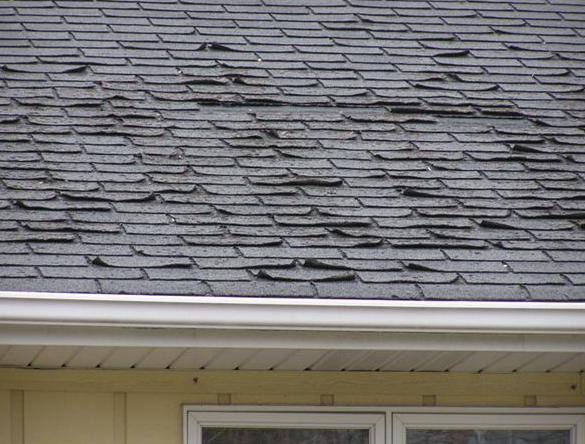
Curling and Cupping
- Curling: The edges of the shingle turn upward. This is often caused by heat buildup or poor ventilation.
- Cupping: The center of the shingle dips while the edges remain high. This indicates advanced aging and moisture absorption.
Cracking and Brittle Texture
If you can see cracks running through the shingles, or if they snap easily when touched (do not climb on your roof to test this; use binoculars), the asphalt has lost its elasticity. Brittle shingles cannot expand and contract with temperature changes, leading to leaks.
Missing Shingles
While a few missing shingles after a storm can be repaired, widespread loss indicates that the adhesive strips have failed. This leaves the underlying roof deck exposed to water damage.
Maintenance Tips to Extend Roof Longevity
While you cannot stop time, you can certainly slow down the aging process with proactive maintenance.
- Clean Your Gutters Regularly: Clogged gutters cause water to back up under the shingles (ice dams in winter, general pooling in summer). Clean them at least twice a year.
- Trim Overhanging Branches: Trees provide shade, which is good, but branches can scrape off granules during windstorms. They also drop leaves and debris that trap moisture. Keep branches at least 6 feet away from the roof surface.
- Inspect After Major Storms: After heavy hail or high winds, do a visual inspection from the ground. Look for dents, missing pieces, or displaced flashing.
- Ensure Proper Attic Ventilation: Check that your soffit vents are not blocked by insulation. Consider installing ridge vents if your attic feels excessively hot in the summer.
When to Call a Professional
DIY roof inspections are great for spotting obvious issues, but some problems require a trained eye. If you notice sagging in the roofline, water stains on your interior ceilings, or daylight coming through the roof boards in your attic, contact a licensed roofer immediately. These are signs of structural compromise or active leaking that simple shingle replacement cannot fix.
FAQ Section
Q: Can I put a new roof over my old shingles?
A: In many cases, yes. This is called a “roof-over.” However, it is only recommended if the existing roof has only one layer of shingles and the deck is in good condition. Adding a second layer adds weight and can make future repairs more difficult. Always check local building codes, as some areas prohibit more than two layers.
Q: Does homeowner’s insurance cover roof replacement?
A: Typically, insurance covers roof damage caused by sudden, accidental events like storms, hail, or falling trees. It generally does not cover wear and tear due to age or lack of maintenance. If your roof is near the end of its lifespan, insurers may require an inspection before renewing your policy.
Q: How often should I inspect my roof?
A: You should perform a visual inspection from the ground twice a year: once in the spring (to check for winter damage) and once in the fall (to prepare for winter). Additionally, inspect after any severe weather event.
Q: What is the difference between a manufacturer’s warranty and a workmanship warranty?
A: A manufacturer’s warranty covers defects in the shingle material itself (e.g., premature cracking). A workmanship warranty, provided by the contractor, covers errors in installation (e.g., improper nailing). For full protection, you need both.
Q: Do darker shingles last longer than lighter ones?
A: Not necessarily. While darker shingles absorb more heat, which can accelerate aging in hot climates, modern shingles are engineered with UV-resistant granules regardless of color. The quality of the shingle and the ventilation of the attic are far more significant factors than color.
Conclusion
So, how long does a shingle roof last on a house? The answer ranges from 15 years for basic 3-tab shingles to 30+ years for high-quality architectural options. However, these numbers are not guarantees—they are estimates based on ideal conditions. Your roof’s actual lifespan is determined by the quality of installation, your local climate, and how well you maintain it.
By understanding the signs of aging and performing regular maintenance, you can maximize your roof’s life and avoid costly emergency replacements. Remember, your roof is your home’s first line of defense. Treat it well, and it will protect you for decades.
Found this guide helpful? Share it with your neighbors on Facebook or Pinterest to help them protect their homes too!