Climbing a ladder to clear debris is one of the most dangerous household chores you can undertake. Every year, thousands of homeowners end up in emergency rooms due to falls from ladders while attempting basic roof maintenance. If you are looking for how to get leaves off roof without getting on roof, you are making a smart choice for both your safety and your home’s longevity.
Leaves may seem harmless, but when they accumulate on your roof, they trap moisture, promote moss growth, and clog gutters. This can lead to costly water damage, rotting shingles, and even structural issues over time. The good news? You don’t need to risk your neck to solve this problem. With the right tools and techniques, you can keep your roof clean from the safety of your backyard.
Why Removing Leaves From Your Roof Is Critical
Before we dive into the methods, it is essential to understand why this task matters. Many homeowners ignore roof debris until they see a leak. However, prevention is far cheaper than repair.
According to the National Safety Council, ladder-related incidents account for a significant portion of home injury emergencies. By keeping your feet on the ground, you eliminate this risk entirely. Furthermore, wet leaves decompose and create a sludge that retains water against your shingles. This constant moisture exposure can reduce the lifespan of your asphalt shingles by several years.
For more detailed information on the biological decomposition process of organic matter on building materials, you can refer to this resource on organic decay. Understanding this process highlights why prompt removal is necessary for maintaining your home’s integrity.
Method 1: Using a Leaf Blower with Extension Kit
The most popular and efficient way to clear dry leaves is using a leaf blower. However, standard nozzles often lack the reach or angle needed for roof work.
Step-by-Step Guide:
- Choose the Right Tool: Use a gas-powered or high-voltage cordless leaf blower. Electric corded models may lack the necessary power.
- Attach an Extension Wand: Purchase a rigid extension kit specifically designed for roof cleaning. These wands often have a curved tip to direct airflow upward.
- Position Yourself Safely: Stand on stable, level ground. Ensure you have a clear line of sight to the roof section you are cleaning.
- Start from the Peak: Begin blowing leaves from the top of the roof downward. This prevents you from blowing debris onto areas you have already cleaned.
- Use Short Bursts: Do not hold the trigger down continuously. Use short, controlled bursts to dislodge clumps of wet leaves.
Pro Tip: If the leaves are damp, wait for a sunny day. Dry leaves are significantly lighter and easier to move with air pressure alone.
Method 2: The Garden Hose with Spray Nozzle
If you do not own a leaf blower, or if the leaves are stuck due to rain or sap, water pressure is an excellent alternative. This method also helps flush out gutters simultaneously.
Step-by-Step Guide:
- Select a High-Pressure Nozzle: Use a nozzle with a “jet” or “flat fan” setting. Avoid the “mist” setting as it lacks force.
- Extend Your Reach: If your hose is too short, use a hose extender or a telescoping wand attachment.
- Aim Carefully: Direct the water stream from the edge of the roof toward the center, pushing leaves toward the gutters or off the side.
- Watch the Gutters: As leaves wash into the gutters, ensure they are flowing out through the downspouts. If water backs up, you may need to clear the downspout separately.
Caution: Be mindful of water intrusion. Do not spray water directly under shingles or into vents. Keep the angle shallow and parallel to the roof surface.
Method 3: Roof Rakes and Specialized Tools
For heavy, wet debris or thick layers of moss-covered leaves, mechanical tools are often more effective than air or water.
Top Tools for Ground-Level Cleaning:
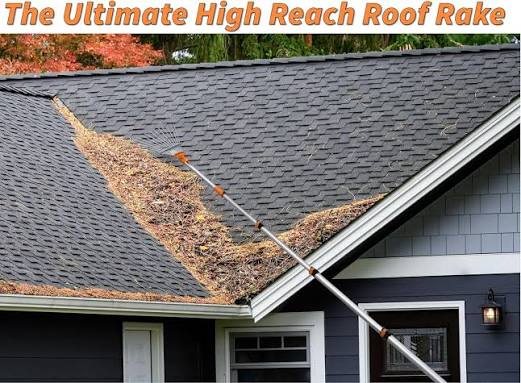
- Roof Rake: A long-handled rake with a soft rubber or plastic head. It pulls debris down without damaging shingles.
- Gutter Scoop on a Pole: Specifically designed to pull leaves out of gutters from the ground.
- Telescoping Brush: Useful for scrubbing away sticky residue after the bulk leaves are removed.
Comparison: Air vs. Water vs. Mechanical
| Feature | Leaf Blower | Garden Hose | Roof Rake |
|---|---|---|---|
| Best For | Dry, loose leaves | Sticky/wet leaves | Heavy debris/moss |
| Speed | Fast | Moderate | Slow |
| Risk of Damage | Low (if used correctly) | Medium (water intrusion) | Low (if soft-headed) |
| Effort Level | Low | Medium | High |
Method 4: Preventive Measures to Reduce Future Buildup
The best way to learn how to get leaves off roof without getting on roof is to minimize the need for frequent cleaning. Prevention saves time and effort in the long run.
Install Gutter Guards
Gutter guards prevent leaves from entering your gutter system. While they do not stop leaves from landing on the roof surface, they ensure that once leaves blow off the roof, they do not clog the drainage system. Mesh screens, foam inserts, and reverse-curve systems are popular options.
Trim Overhanging Branches
Trees are the primary source of roof debris. Trim branches that hang within 6–10 feet of your roof. This reduces the volume of leaves falling directly onto your shingles and minimizes the risk of branch damage during storms.
Consider Zinc Strips
If moss is a recurring issue alongside leaves, install zinc or copper strips near the roof peak. When it rains, small amounts of metal wash down the roof, inhibiting moss and algae growth. This keeps the surface smoother, allowing leaves to slide off more easily during wind or rain.
Common Mistakes to Avoid
Even when staying on the ground, mistakes can happen. Here are some pitfalls to avoid:
- Ignoring Weather Conditions: Never attempt to clean a wet or icy roof from the ground. Slippery surfaces make it hard to maintain balance, and wet leaves are heavier and harder to move.
- Using Metal Tools: Never use a metal rake or sharp objects on your roof. Asphalt shingles are fragile, and metal can tear the granule layer, leading to premature aging.
- Overlooking Safety Gear: Even though you are on the ground, wear safety glasses and gloves. Debris can fly back at you, and gutter sludge can contain bacteria or sharp objects.
FAQ Section
1. Can I use a pressure washer to clean my roof?
It is generally not recommended to use a high-pressure washer on asphalt shingles. The high pressure can strip away the protective granules, void your warranty, and force water under the shingles, causing leaks. Stick to a standard garden hose with a strong nozzle.
2. How often should I remove leaves from my roof?
You should inspect your roof at least twice a year: once in late spring and once in late autumn. If you live near many trees, check monthly during peak leaf-drop seasons. Prompt removal prevents moisture buildup and pest infestations.
3. What if the leaves are wet and stuck?
Wet leaves are challenging for leaf blowers. In this case, use a garden hose with a jet nozzle to loosen them, or wait for a few sunny days to let them dry out. Alternatively, use a soft-bristled roof rake to gently pull them down.
4. Is it safe to stand on a ladder while using a leaf blower?
No. Standing on a ladder while operating a powerful tool like a leaf blower compromises your balance and increases the risk of falling. Always keep both feet on stable ground. If you cannot reach the area from the ground, hire a professional.
5. Will walking on the roof damage it?
Yes, walking on asphalt shingles can crack them or dislodge granules. This is precisely why learning how to get leaves off roof without getting on roof is so important. Foot traffic accelerates wear and tear, potentially leading to leaks.
6. What should I do with the leaves after they fall?
Rake them up promptly from your yard and driveway. Leaving them in piles near your foundation can attract pests like rodents and insects. Composting them is an eco-friendly disposal method, provided they are not diseased.
Conclusion
Maintaining a clean roof is vital for protecting your home, but it should never come at the cost of your safety. By using tools like leaf blowers with extensions, garden hoses, and specialized roof rakes, you can effectively manage debris without ever climbing a ladder. Remember, consistency is key. Regular inspections and preventive measures like trimming trees and installing gutter guards will reduce the workload significantly.
Stay safe, keep your feet on the ground, and enjoy the peace of mind that comes with a well-maintained home. If you found this guide helpful, please share it with your friends and neighbors on social media. Together, we can promote safer home maintenance practices for everyone.