Tag: RV Roof Replacement Cost

  • How Much Does It Cost To Replace A Camper Roof?

    How Much Does It Cost To Replace A Camper Roof?

    Leaking roofs are every RVer’s nightmare. One small drip can quickly turn into thousands of dollars in water damage if left unchecked. If you are staring at a sagging ceiling or pooling water, you are likely asking the critical question: How much does it cost to replace a camper roof?

    The answer isn’t a single number, but understanding the variables can save you from overpaying. In this guide, we will break down the costs by material type, labor fees, and hidden expenses so you can make an informed decision for your rig.

    Understanding the Average Cost Range

    Before diving into specific materials, it is essential to establish a baseline. In 2026, the national average for a full camper roof replacement ranges between $3,000 and $15,000.

    This wide variance exists because “camper” covers everything from a small pop-up trailer to a 40-foot Class A motorhome. The size of your vehicle, the complexity of the roof structure (such as slide-outs or skylights), and your geographic location all play pivotal roles in the final bill.

    According to industry data, most mid-sized travel trailers fall into the $4,500 to $7,500 range for a professional replacement. However, DIY enthusiasts might reduce this cost by 40-50%, provided they have the necessary skills and tools.

    Cost Breakdown by Roof Material

    The material you choose is the single biggest factor influencing price. Each type offers different benefits regarding durability, weight, and insulation.

    1. EPDM Rubber Roofing

    EPDM (Ethylene Propylene Diene Monomer) is the most common roofing material for modern travel trailers. It is lightweight, flexible, and relatively affordable.

    • Average Cost: $1,500 – $4,500 (Materials + Labor)
    • Lifespan: 10–15 years
    • Best For: Budget-conscious owners and smaller trailers.

    Pros:

    • Lightweight, improving fuel efficiency.
    • Easy to repair with patch kits.
    • Resistant to UV radiation and ozone.

    Cons:

    • Can be punctured by sharp branches.
    • Seams may require regular sealing.

    2. TPO (Thermoplastic Polyolefin)

    TPO is often considered the premium upgrade from EPDM. It is more durable, resistant to tears, and typically comes in white, which reflects heat.

    • Average Cost: $2,500 – $6,000 (Materials + Labor)
    • Lifespan: 15–20 years
    • Best For: Owners in hot climates who want better energy efficiency.

    Pros:

    • Higher tear strength than EPDM.
    • Reflects sunlight, keeping the interior cooler.
    • Environmentally friendly and recyclable.

    Cons:

    • Slightly more expensive upfront.
    • Requires specialized adhesives for installation.

    3. Fiberglass Roofing

    Fiberglass is standard on higher-end motorhomes and fifth wheels. It is rigid, durable, and provides a smooth finish that looks sleek.

    • Average Cost: $5,000 – $12,000+ (Materials + Labor)
    • Lifespan: 20+ years
    • Best For: Large motorhomes and permanent installations.

    Pros:

    • Extremely durable and impact-resistant.
    • Low maintenance once installed.
    • Excellent structural integrity.

    Cons:

    • Heavy, which may affect payload capacity.
    • Prone to cracking if the frame flexes significantly.
    • Most expensive option.

    Comparison Table: Quick View

    MaterialAvg. Cost RangeLifespanMaintenance LevelWeight
    EPDM Rubber$1,500 – $4,50010-15 YearsMediumLight
    TPO$2,500 – $6,00015-20 YearsLowLight
    Fiberglass$5,000 – $12,000+20+ YearsLowHeavy
    How Much Does It Cost To Replace A Camper Roof

    Labor Costs vs. DIY Savings

    If you are handy with tools, you might consider doing the job yourself. However, roof replacement is not a beginner-level project.

    Professional Installation Costs

    Labor typically accounts for 40% to 60% of the total cost. Mechanics charge between $75 and $150 per hour, depending on their expertise and location. A full roof replacement usually takes 1–3 days.

    • Small Trailer: 8–12 hours of labor.
    • Large Motorhome: 20–30 hours of labor.

    DIY Potential Savings

    By buying materials directly, you can save significantly. For example, a roll of EPDM rubber might cost $800–$1,200, whereas a shop charges $2,500+ for the same material installed.

    Warning: Improper installation can lead to leaks that cause rot in the wooden subfloor. This secondary damage can cost $5,000 to $10,000 to fix. If you are unsure about sealing edges or handling adhesives, hire a professional.

    Hidden Costs You Must Consider

    When budgeting for how much does it cost to replace a camper roof, do not forget these additional expenses:

    1. Subfloor Repair: If water has leaked in, the plywood underneath may be rotted. Replacing rotten wood adds $500–$2,000 to the bill.
    2. Removal of Fixtures: Skylights, air conditioners, and solar panels must be removed and resealed. Some shops charge extra for each fixture.
    3. Disposal Fees: Old roofing materials must be disposed of properly, which can cost $100–$300.
    4. Insulation Upgrade: While the roof is off, it is the perfect time to add extra insulation. This costs an additional $200–$500 but improves comfort.

    Step-by-Step Overview of the Replacement Process

    Understanding the workflow helps you verify if a contractor is doing the job correctly. Here is what a professional replacement entails:

    1. Removal: All old roofing material, sealants, and fixtures (AC units, vents) are stripped away.
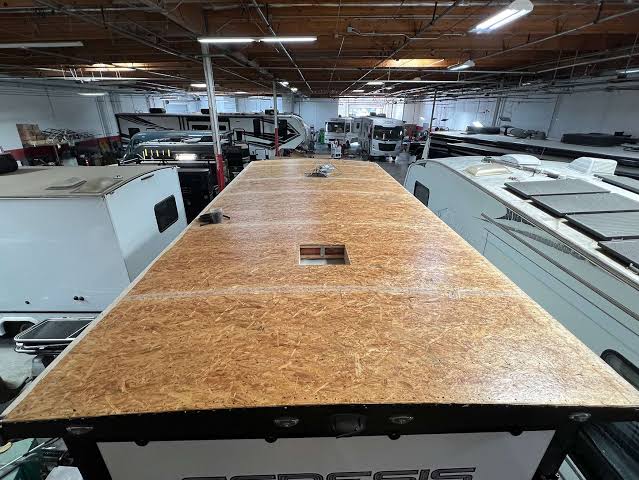
    2. Inspection: The underlying wood structure is inspected for rot or mold. Any damaged sections are cut out and replaced with new marine-grade plywood.
    3. Cleaning: The surface is thoroughly cleaned and dried. Moisture meters are used to ensure no dampness remains.
    4. Installation: The new membrane (EPDM/TPO) or fiberglass sheets are laid out. Adhesives are applied evenly to prevent bubbles.
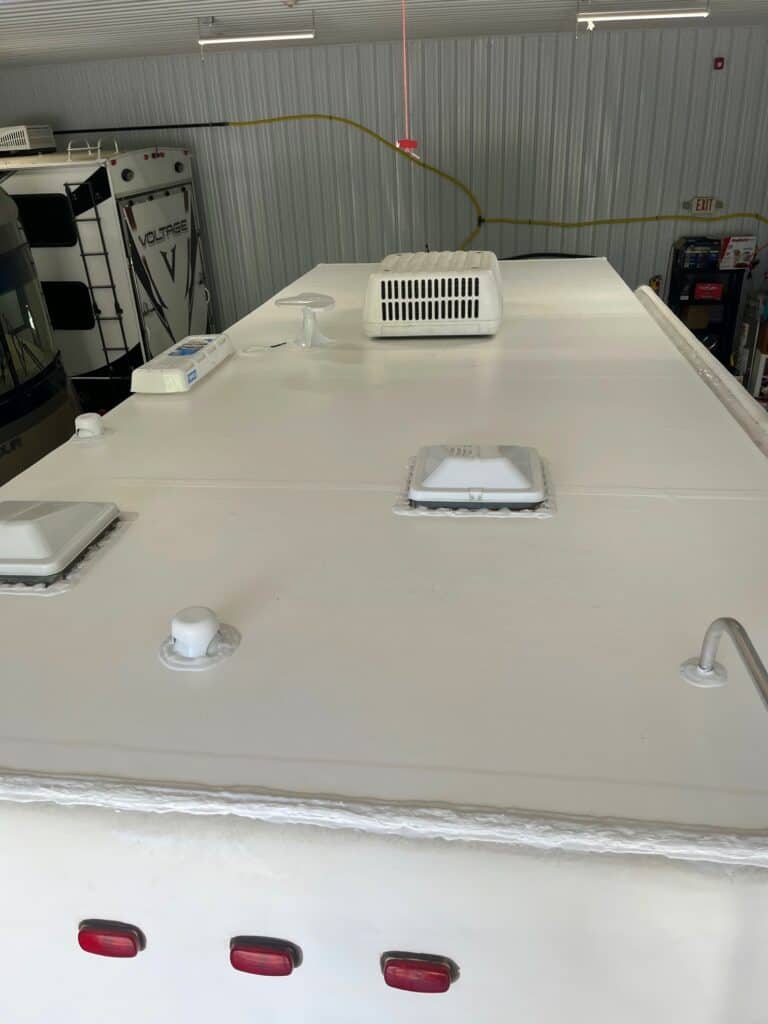
    5. Sealing: All seams, edges, and penetrations (where screws or vents go through) are sealed with high-quality lap sealant.
    6. Reassembly: Fixtures are reinstalled with new gaskets and sealant to ensure a watertight fit.

    For more detailed technical standards on recreational vehicle construction, you can refer to general industry guidelines available on Wikipedia.

    FAQ: Common Questions About Camper Roof Replacement

    1. Can I just patch my roof instead of replacing it?

    Yes, if the damage is localized (e.g., a small tear or crack). Patch kits cost under $50. However, if the roof is older than 10 years or has multiple weak spots, a full replacement is more cost-effective in the long run.

    2. How often should I replace my camper roof?

    Most rubber roofs last 10–15 years, while fiberglass can last 20+ years. Regular inspections twice a year can extend these lifespans. If you see widespread cracking, bubbling, or soft spots, it is time for a replacement.

    3. Does insurance cover roof replacement?

    It depends on your policy. Standard auto/RV insurance usually covers damage from accidents, falling objects, or storms. However, it typically does not cover wear and tear or lack of maintenance. Check your policy for “comprehensive coverage.”

    4. What is the best time of year to replace a roof?

    Spring and early fall are ideal. Temperatures between 50°F and 80°F (10°C–27°C) allow adhesives to cure properly. Avoid extreme heat or cold, as these can affect the bonding process.

    5. Will a new roof increase my RV’s resale value?

    Absolutely. A new roof is a major selling point. Buyers are often wary of water damage, so having a recently replaced roof with a warranty can increase your RV’s value by $1,000–$3,000 and make it sell faster.

    Conclusion

    Knowing how much does it cost to replace a camper roof empowers you to budget effectively and avoid scams. While the upfront cost of $3,000 to $15,000 may seem steep, it is an investment in the longevity of your home on wheels. Ignoring a failing roof leads to far more expensive structural repairs down the line.

    Whether you choose durable fiberglass or cost-effective EPDM, prioritize quality installation. If you found this guide helpful, please share it with your fellow RVers on social media. A well-maintained roof means more adventures and fewer worries!
  • How Much Does It Cost To Replace An RV Roof?

    How Much Does It Cost To Replace An RV Roof?

    Leaking roofs are every RVer’s nightmare. One small drip can quickly turn into mold, structural damage, and thousands of dollars in repairs if ignored. If you are staring at water stains on your ceiling, you are likely asking the critical question: how much does it cost to replace an RV roof?

    The short answer is that costs vary significantly based on your rig’s size and the material chosen. However, understanding the breakdown can help you budget effectively and avoid overpaying. In this guide, we will break down the real costs for 2026, compare materials, and help you decide whether to tackle this project yourself or hire a pro.

    Understanding the Average Cost Breakdown

    When planning your budget, it is essential to look beyond just the price of the roofing material. The total expense includes labor, removal of the old roof, sealants, and potential structural repairs.

    For most standard Class A, B, or C motorhomes and travel trailers, the cost to replace an RV roof typically ranges between $1,000 and $5,000. However, luxury fifth-wheels or large motorhomes can see costs upwards of $7,000 to $10,000 if premium materials and professional installation are required.

    Here is a general estimate based on RV type:

    RV TypeEstimated Cost Range (Materials + Labor)
    Small Travel Trailer / Camper$800 – $1,500
    Mid-Size Fifth Wheel$1,500 – $3,500
    Large Class A Motorhome$3,000 – $6,000+
    Luxury/Custom Rig$6,000 – $10,000+

    Note: These prices reflect market averages in late 2025 and early 2026. Prices may fluctuate based on your location and the availability of contractors.

    Material Matters: EPDM vs. TPO vs. Fiberglass

    The single biggest factor influencing the answer to “how much does it cost to replace an RV roof” is the material you choose. Not all roofs are created equal, and each has distinct pros, cons, and price points.

    1. EPDM (Ethylene Propylene Diene Monomer)

    EPDM is a synthetic rubber roofing membrane. It has been the industry standard for decades due to its durability and flexibility.

    • Cost: Moderate ($4–$8 per square foot installed).
    • Pros: Excellent resistance to UV rays and ozone; flexible in cold weather; easy to patch.
    • Cons: Can absorb heat (making the RV hotter); prone to shrinking over time if not maintained; black color attracts dirt.

    2. TPO (Thermoplastic Polyolefin)

    TPO is a newer, single-ply reflective membrane that is gaining massive popularity in the RV community.

    • Cost: Slightly Higher than EPDM ($5–$9 per square foot installed).
    • Pros: Reflects sunlight (keeps RV cooler); resistant to punctures and tears; does not shrink like EPDM; environmentally friendly.
    • Cons: Can be stiffer in extreme cold; requires specific adhesives for installation.

    3. Fiberglass

    Often found on higher-end motorhomes, fiberglass roofs are rigid and durable.

    • Cost: High ($8–$12+ per square foot).
    • Pros: Extremely durable; can be walked on easily; sleek appearance.
    • Cons: Heavy; expensive to repair if cracked; prone to delamination if water gets underneath.

    Expert Insight: According to industry trends, many owners are switching from EPDM to TPO during replacements. While TPO costs about 10-15% more upfront, the energy savings from reduced air conditioning use and lower maintenance needs often offset the cost within three years.

    How Much Does It Cost To Replace An Rv Roof

    Labor Costs: DIY vs. Professional Installation

    Should you do it yourself or hire a professional? This decision drastically impacts your final bill.

    Professional Installation

    Hiring a certified RV technician ensures the job is done correctly, often with a warranty. Labor typically accounts for 50% to 60% of the total cost.

    • Hourly Rate: $75–$150 per hour.
    • Flat Rate: Many shops charge by the foot or a flat project fee.
    • Benefit: They handle unexpected issues like rotten wood decking, which is common in older RVs.

    DIY Installation

    If you are handy, you can save thousands. However, you must be meticulous.

    • Cost: You only pay for materials and tools.
    • Risk: Improper sealing leads to leaks, voiding warranties.
    • Time Commitment: Expect to spend 2–3 full weekends on a mid-sized RV.

    If you choose DIY, ensure you have the right tools: a high-quality roller, sharp utility knives, and industrial-grade adhesive. Always follow the manufacturer’s instructions precisely. For detailed technical specifications on roofing membranes, you can refer to resources like Wikipedia’s entry on Roofing to understand the chemical composition and longevity of different materials.

    Hidden Costs You Might Forget

    When calculating how much does it cost to replace an RV roof, do not forget these hidden expenses:

    1. Decking Repair: Once the old roof is removed, you may find rotted plywood. Replacing a 4×8 sheet of marine-grade plywood costs $50–$100, plus labor.
    2. Vent and Skylight Replacement: Old seals around vents often fail. It is wise to replace vent covers and reseal skylights while the roof is off. Budget an extra $200–$500.
    3. Disposal Fees: Getting rid of the old rubber or fiberglass roof requires proper disposal, which may incur a fee at your local landfill.
    4. Sealants and Adhesives: High-quality lap sealant and edge tape are not optional. Skimping here causes future leaks. Budget $100–$200 for premium supplies.

    Step-by-Step Overview of the Replacement Process

    Whether you hire a pro or do it yourself, knowing the process helps you verify the quality of work.

    1. Removal: The old roofing material is cut away and removed. All old sealant is scraped off the edges.
    2. Inspection: The wooden deck is inspected for soft spots, rot, or water damage. Any damaged wood is replaced.
    3. Cleaning: The surface is thoroughly cleaned and dried. Any residue prevents proper adhesion.
    4. Installation: The new membrane (EPDM or TPO) is rolled out. Adhesive is applied to the deck and/or the back of the membrane.
    5. Sealing: Edges, vents, and seams are sealed with specialized tape and liquid sealant.
    6. Curing: The roof needs 24–48 hours to cure before it can be exposed to rain or heavy foot traffic.

    FAQ Section

    1. How long does an RV roof replacement take?

    For a professional team, a standard replacement takes 1 to 2 days. If you are doing it yourself, expect it to take 3 to 5 days, depending on your experience level and the size of the RV. Weather conditions also play a crucial role; you need dry, mild temperatures for adhesives to set properly.

    2. Can I put a new roof over the old one?

    Generally, no. Most manufacturers and experts recommend removing the old roof. Adding a second layer adds weight, traps moisture between layers (leading to rot), and makes it difficult to seal edges properly. Some minor patch jobs can be done over existing roofs, but a full replacement requires removal.

    3. Does insurance cover RV roof replacement?

    It depends on your policy and the cause of the damage. If the leak was caused by a sudden event like a falling tree branch or hail storm, comprehensive coverage may pay for it. However, if the leak is due to wear and tear or lack of maintenance, insurance will likely deny the claim. Always check your specific policy details.

    4. What is the cheapest way to fix a leaking RV roof?

    If the roof is not fully failed, you might not need a full replacement. Using a high-quality liquid rubber coating or sealant tape on specific leaks can cost as little as $50–$150. This is a temporary fix or a maintenance strategy, not a permanent solution for a deteriorating roof.

    5. How often should I replace my RV roof?

    Most RV roofs last between 10 to 20 years. EPDM roofs tend to last toward the lower end of that spectrum if not meticulously maintained, while TPO and fiberglass can last longer. Regular inspections twice a year (spring and fall) can extend the life of your roof significantly.

    Conclusion

    So, how much does it cost to replace an RV roof? For most owners, budgeting between $1,500 and $3,500 is a safe bet for a quality job using modern materials like TPO. While the upfront cost may seem steep, it is far cheaper than repairing water-damaged interiors, flooring, and walls later on.

    Remember, your roof is your RV’s first line of defense. Investing in high-quality materials and proper installation ensures your adventures remain dry and comfortable.

    Did you find this guide helpful? Share it with your fellow RVers on Facebook or Pinterest to help them protect their investments too! If you have questions about your specific RV model, drop a comment below—we love hearing from our community.