Are you struggling with an aging cooling system that no longer keeps your home comfortable? Understanding the Lennox 2 ton roof unit and inside air handler cost is the first step toward making a smart, budget-friendly upgrade for your property.
Replacing an HVAC system is one of the most significant home investments you will make. It is not just about buying a box; it is about securing years of comfort, energy efficiency, and peace of mind. Many homeowners feel overwhelmed by the opaque pricing structures in the HVAC industry. You might hear quotes ranging from $3,000 to $8,000 and wonder where the truth lies.
This guide cuts through the noise. We will break down exactly what you should expect to pay for a Lennox 2-ton system, including both the outdoor rooftop unit and the indoor air handler. We will also explore the factors that swing these prices, helping you negotiate better with contractors and choose the right model for your specific needs.
What Is the Average Cost of a Lennox 2-Ton System?
When budgeting for a new HVAC system, it is crucial to distinguish between the equipment cost and the total installed cost. For a Lennox 2-ton system, which typically includes a rooftop condenser unit and an indoor air handler, the total price usually falls between $4,500 and $7,500.
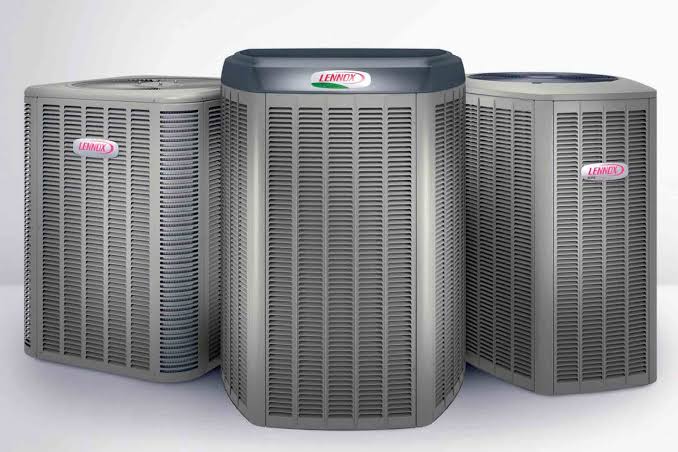
However, this range is not arbitrary. It depends heavily on the efficiency rating (SEER) of the unit you choose. Lennox offers three primary tiers of equipment: Merit, Elite, and Dave Lennox Signature Collection.
Price Breakdown by Efficiency Tier
| Lennox Series | SEER Rating Range | Estimated Equipment Cost | Estimated Installed Cost |
|---|---|---|---|
| Merit Series | 13–14 SEER | $1,800 – $2,500 | $4,500 – $5,500 |
| Elite Series | 16–18 SEER | $2,500 – $3,500 | $5,500 – $6,500 |
| Signature Collection | 20+ SEER | $3,500 – $4,500+ | $6,500 – $7,500+ |
Note: Prices are estimates for the US market as of 2026 and can vary by region and contractor.
The Merit Series is the entry-level option. It provides reliable cooling but lacks advanced features like variable-speed compressors. The Elite Series strikes a balance between performance and price, often featuring two-stage cooling. The Signature Collection represents the pinnacle of Lennox technology, offering ultra-quiet operation and maximum energy savings, though at a premium price point.
Why Does the Inside Air Handler Matter for Total Cost?
Many homeowners focus solely on the rooftop unit, forgetting that the inside air handler is equally critical. The air handler contains the blower motor, evaporator coil, and heating elements (if it is a heat pump system). If your existing air handler is old or incompatible with a new high-efficiency rooftop unit, it must be replaced.
Upgrading the air handler adds approximately $1,000 to $2,000 to the total project cost. However, this investment is often necessary to realize the full efficiency benefits of a new Lennox rooftop unit.
Matching Components for Efficiency
A high-SEER rooftop unit paired with an outdated, single-speed air handler will not perform efficiently. The blower motor in the air handler must be able to modulate its speed to match the compressor’s output. This is why modern Lennox systems often pair a variable-capacity rooftop unit with a compatible variable-speed air handler.
If you skip upgrading the air handler, you may experience:
- Reduced humidity control.
- Higher electricity bills than anticipated.
- Uneven temperatures throughout your home.
- Potential warranty voids if components are deemed incompatible.
What Factors Influence the Installation Price?
The sticker price of the Lennox unit is only part of the equation. Labor and site-specific challenges significantly impact the final bill. Here are the primary variables that contractors consider when quoting your job.
1. Roof Accessibility and Structure
Installing a rooftop unit requires safe access. If your roof is steep, high, or fragile, contractors may need special equipment or additional labor hours to ensure safety. Reinforcing the roof structure to support the weight of a new 2-ton unit can also add costs.
2. Ductwork Modifications
If your current ductwork is leaky, undersized, or damaged, it needs repair or replacement before the new system is installed. Poor ductwork can reduce system efficiency by up to 30%. Adding new duct runs or sealing existing ones typically costs between $500 and $1,500.
3. Electrical Upgrades
Newer, high-efficiency Lennox models may require different electrical amperage or dedicated circuits. If your home’s electrical panel is outdated, an electrician may need to upgrade it, adding $500 to $2,000 to the project.
4. Regional Labor Rates
HVAC labor costs vary widely across the United States. In major metropolitan areas like New York or San Francisco, labor rates are significantly higher than in rural Midwest regions. Always get at least three local quotes to gauge the prevailing rate in your area.
How Does Lennox Compare to Other Brands?
Lennox is known for its durability and innovation, but how does it stack up against competitors like Trane, Carrier, or Goodman? Understanding this helps you justify the cost.
Lennox units are often praised for their quiet operation and robust build quality. The Dave Lennox Signature Collection, for instance, uses proprietary technology that minimizes vibration and noise. While brands like Goodman offer lower upfront costs, they may lack the long-term reliability and advanced features found in Lennox Elite or Signature models.
For a deeper understanding of HVAC efficiency standards and how they apply to different brands, you can refer to the U.S. Department of Energy’s guidelines on central air conditioning. This resource provides unbiased information on SEER ratings and energy savings potential.
Step-by-Step Guide to Getting an Accurate Quote
To avoid surprise costs, follow this structured approach when hiring an HVAC contractor.
- Assess Your Current System: Note the age, model number, and any recurring issues with your current unit. Take photos of the rooftop unit and the indoor air handler.
- Calculate Your Load Requirements: Ensure you actually need a 2-ton unit. A professional should perform a Manual J calculation to determine the correct size based on your home’s square footage, insulation, and window exposure. Oversizing or undersizing leads to inefficiency.
- Request Detailed Quotes: Ask for itemized quotes that separate equipment costs from labor, materials, and permits. Look for specific Lennox model numbers.
- Check Credentials: Verify that the contractor is licensed, insured, and NATE-certified. Ask if they are an authorized Lennox dealer, as this affects warranty validity.
- Review Warranty Terms: Lennox offers strong warranties, but they often require professional registration within 60 days of installation. Confirm who handles this registration.
Frequently Asked Questions
How long does a Lennox 2-ton rooftop unit last?
With proper maintenance, a Lennox rooftop unit can last between 15 and 20 years. Regular cleaning of coils, changing filters, and annual professional tune-ups are essential to reaching this lifespan.
Can I install the unit myself to save money?
No. HVAC installation involves handling refrigerants, high-voltage electricity, and heavy machinery on roofs. It requires specialized licenses and tools. DIY installation is dangerous, likely illegal in many jurisdictions, and will void the manufacturer’s warranty.
Is a higher SEER rating worth the extra cost?
If you live in a hot climate and plan to stay in your home for more than five years, yes. A 20 SEER unit can save you 20–30% on cooling costs compared to a 13 SEER unit. The break-even point is typically 5–7 years.
What maintenance is required for a rooftop unit?
You should schedule professional maintenance twice a year: once in spring for cooling and once in fall for heating. Homeowners should visually inspect the unit for debris, ensure the area around it is clear, and change indoor filters every 1–3 months.
Does replacing the air handler improve air quality?
Yes. Newer air handlers come with better filtration options and tighter seals, preventing dust and allergens from bypassing the filter. Some models also support UV lights or advanced air purification systems.
Conclusion
Investing in a Lennox 2 ton roof unit and inside air handler is a decision that impacts your comfort and wallet for nearly two decades. While the upfront cost of $4,500 to $7,500 may seem significant, the long-term savings in energy bills and reduced repair frequency make it a wise choice for many US homeowners.
Remember, the cheapest quote is not always the best value. Prioritize proper sizing, quality installation, and compatible components. By choosing the right Lennox series for your needs and working with a certified professional, you ensure your home remains a sanctuary of comfort regardless of the weather outside.
If you found this guide helpful, please share it with friends or family who are considering an HVAC upgrade. Spreading knowledge helps everyone make smarter home improvement decisions!