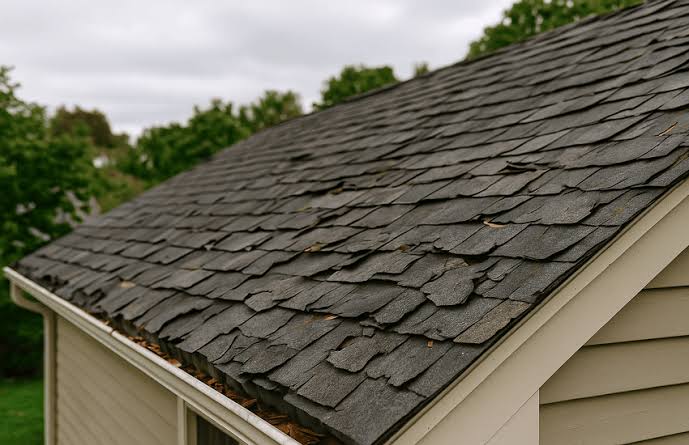
Your home is likely your biggest investment, and the roof is its first line of defense against the elements. Ignoring subtle warning signs can lead to catastrophic water damage, mold growth, and skyrocketing repair bills down the line. If you are staring at your ceiling wondering how do you know your roof needs to be replaced, you are not alone; this guide will help you identify the red flags before it’s too late.
The Age Factor: How Old Is Too Old?
One of the most reliable indicators that a replacement is imminent is simply the age of your roofing material. Most homeowners assume their roof will last forever, but every material has a finite lifespan determined by weather exposure, installation quality, and ventilation.
Typical Lifespans by Material
| Roofing Material | Average Lifespan | Key Vulnerability |
|---|---|---|
| Asphalt Shingles | 15–20 years | UV radiation, wind uplift |
| Wood Shakes/Shingles | 20–25 years | Moisture, rot, insects |
| Metal Roofing | 40–70 years | Corrosion (if uncoated) |
| Slate/Tile | 50+ years | Weight, structural stress |
| Composite | 30–50 years | Cost, availability |
If your asphalt shingle roof is approaching the 15-year mark, you should begin annual inspections. Even if it looks fine from the ground, microscopic wear may be compromising its integrity. According to industry standards, once a roof passes 80% of its expected lifespan, proactive replacement is often more cost-effective than emergency repairs.
Visible Exterior Warning Signs
You don’t need to be a professional contractor to spot major issues. A simple visual inspection from the ground or a safe vantage point can reveal significant problems. Here is what you should look for:
1. Curling, Cupping, or Clawing Shingles
Shingles should lie flat against the roof deck. If you notice edges turning upward (curling) or the center dipping while edges remain high (cupping), the shingles have lost their adhesive strength and flexibility. This is often caused by poor ventilation in the attic, which traps heat and “bakes” the shingles from underneath.
2. Missing Granules
Asphalt shingles are coated with ceramic granules that protect them from UV rays and provide fire resistance. Over time, these granules wash away. Check your gutters and downspouts. If you see an accumulation of sand-like particles, especially after a rainstorm, your shingles are wearing out. Bare spots on shingles accelerate aging and increase the risk of leaks.
3. Cracked or Broken Shingles
Wind, hail, and thermal expansion can cause shingles to crack. While a single cracked shingle can be replaced, widespread cracking indicates that the entire system has become brittle. Brittle shingles cannot expand and contract with temperature changes, leading to further breakage.
4. Moss and Algae Growth
While moss might look rustic, it is detrimental to your roof. Moss retains moisture against the shingle surface, accelerating decay. More importantly, moss roots can lift shingles, breaking the seal and allowing water to penetrate underneath. Note: Never pressure wash moss off asphalt shingles, as this removes protective granules.
Interior Indicators: What Your Ceiling Is Telling You
Sometimes, the exterior looks deceptively fine, but the interior tells a different story. Water travels along rafters and beams before dripping, meaning the leak source may be far from the visible stain.
Water Stains and Discoloration
Look for yellowish-brown stains on your ceilings or walls. These are classic signs of water intrusion. If the stain is dark or has a ring around it, the leak is likely active or recurring. Do not ignore small spots; they can quickly expand into large sections of damaged drywall.
Sagging Roof Deck
This is a critical emergency. If you see any sagging in the roofline from the outside or bowing in the ceiling from the inside, your roof structure may be compromised. This can be caused by long-term water retention rotting the wood decking or excessive weight from snow/water. Contact a professional immediately if you observe sagging.
Light Coming Through the Attic
Go into your attic during the day with the lights off. If you see beams of sunlight piercing through the roof boards, you have gaps. These gaps allow not only water but also pests, dust, and conditioned air to escape. While small holes might be patchable, widespread light penetration suggests poor installation or severe deterioration.
Energy Bills and Ventilation Issues
A failing roof often correlates with poor attic ventilation. When a roof cannot breathe, heat builds up in the attic during summer and moisture accumulates in winter.
- Summer: Your AC works harder to combat the radiant heat coming from the attic, spiking your energy bills.
- Winter: Warm air from your home rises into the attic, meets the cold roof deck, and condenses. This leads to ice dams and internal rot.
If your energy bills have risen unexpectedly without a change in usage habits, have your roof’s ventilation and insulation inspected. Proper airflow extends the life of your roof and improves home efficiency. For more detailed information on building science and ventilation standards, you can refer to resources like Wikipedia’s article on Roof Construction.
The “Repair vs. Replace” Decision Matrix
Homeowners often hesitate between repairing a few shingles and replacing the whole roof. Use this checklist to decide:
- Choose Repair If:
- The roof is less than 10 years old.
- Damage is isolated to a small area (e.g., from a fallen branch).
- Less than 30% of the roof shows signs of wear.
- You plan to sell the home within 1–2 years.
- Choose Replacement If:
- The roof is near or past its expected lifespan.
- Leaks are occurring in multiple areas.
- Shingles are missing granules extensively.
- You plan to stay in the home for 5+ years.
- You want to upgrade to more durable or energy-efficient materials.
Step-by-Step: How to Perform a Safe DIY Inspection
If you want to check your roof yourself, safety is paramount. Never walk on a steep or wet roof.
- Ground-Level Visual: Use binoculars to scan for missing shingles, sagging, or debris.
- Gutter Check: Clean your gutters and look for granule buildup or pieces of shingle.
- Attic Inspection: Use a flashlight to check for water stains, mold, or daylight coming through the deck.
- Professional Assessment: If you notice any of the above signs, hire a licensed roofing contractor for a thorough evaluation. They can perform core samples to check the condition of the underlying layers.
FAQ Section
Q: Can I replace just one section of my roof?
A: Yes, partial replacements are possible, but they come with risks. Matching new shingles to old, weathered ones is difficult, and the color mismatch can be aesthetically displeasing. Additionally, tying in new flashing with old systems can create weak points. Most professionals recommend full replacement if the roof is over 15 years old to ensure uniform protection.
Q: Does homeowners insurance cover roof replacement?
A: It depends on the cause of the damage. Insurance typically covers “sudden and accidental” damage, such as from a storm, hail, or fallen tree. It generally does not cover wear and tear, lack of maintenance, or age-related deterioration. Always review your policy and document damage with photos immediately after a storm.
Q: How long does a roof replacement take?
A: For an average-sized single-family home, a complete roof replacement usually takes 1–3 days. Factors affecting timeline include the size of the roof, the type of material being installed, weather conditions, and the complexity of the roof design (e.g., multiple chimneys or valleys).
Q: What is the best time of year to replace a roof?
A: Late spring to early fall is ideal because temperatures are moderate, allowing asphalt shingles to seal properly. However, roofing can be done in winter if necessary, though contractors may need to use special adhesives or techniques to ensure proper bonding in cold weather.
Q: Will a new roof increase my home’s value?
A: Absolutely. A new roof is one of the highest ROI (Return on Investment) home improvements. It boosts curb appeal, reassures potential buyers about the home’s condition, and can even lower insurance premiums. According to real estate experts, a new roof can recoup 60–70% of its cost in increased home value.
Conclusion
Knowing how do you know your roof needs to be replaced is about more than just spotting a leak; it’s about understanding the lifecycle of your home’s protective shell. By monitoring age, checking for granule loss, inspecting your attic, and keeping an eye on energy bills, you can make informed decisions that protect your wallet and your family.
Don’t wait for water to drip onto your dinner table. If you suspect your roof is nearing the end of its life, schedule a professional inspection today. Early detection saves money, stress, and structural integrity.
Found this guide helpful? Share it with your neighbors on Facebook or Twitter to help them protect their homes too!