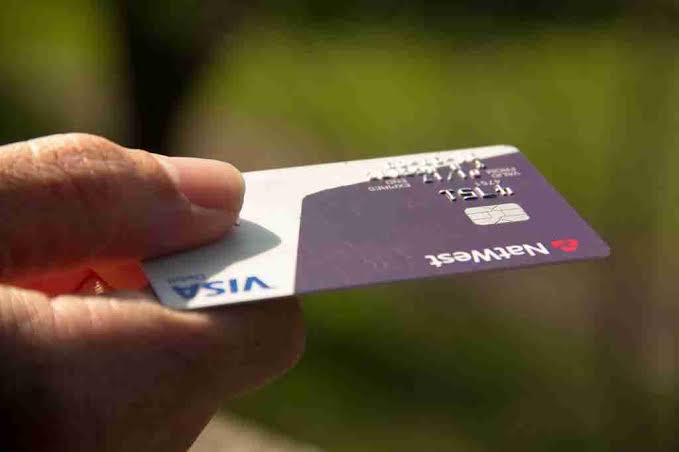
Have you ever stared at a leaking ceiling or a contractor’s estimate and wondered if your plastic card could save the day? It is a common dilemma for homeowners facing unexpected repairs: can you pay for a roof with a credit card? While technically possible, the answer involves more than just swiping a card; it requires understanding interest rates, contractor policies, and your long-term financial health.
In this guide, we will break down everything you need to know about using credit cards for major home improvements. We will explore when it makes sense, when it is a financial trap, and what better options might exist for your wallet.
Is It Actually Possible to Use a Credit Card for Roofing?
The short answer is yes, but with significant caveats. Most roofing contractors prefer checks, bank transfers, or specialized financing because credit card processing fees eat into their margins. Typically, merchants pay between 1.5% to 3.5% per transaction. On a $10,000 roof, that is up to $350 lost by the contractor.
Because of this, many contractors will either:
- Refuse credit card payments entirely.
- Pass the processing fee on to you (adding 3–4% to your total bill).
- Allow it only for a portion of the payment (e.g., the deposit).
However, some larger roofing companies or those partnered with third-party payment processors do accept credit cards. They may view it as a customer service perk or have negotiated lower merchant rates. Before assuming you can swipe, always ask your contractor about their payment policy upfront.
The Pros and Cons of Charging Your Roof
Using a credit card for such a large expense is a double-edged sword. Let’s look at the benefits and drawbacks side-by-side to help you decide.
Advantages
- Rewards and Cash Back: If you have a high-rewards card, you could earn significant points. For example, a 2% cash-back card on a $15,000 roof would net you $300 back.
- Purchase Protection: Many premium credit cards offer extended warranties or purchase protection against damage or theft for a certain period after buying.
- Convenience: It is faster than writing checks or arranging bank wires, especially for emergency repairs.
- 0% APR Offers: If you qualify for a card with a 0% introductory APR period (usually 12–18 months), you can spread the cost without interest if you pay it off in time.
Disadvantages
- High Interest Rates: Standard credit card APRs range from 20% to 30%. If you carry a balance, the interest will quickly dwarf any rewards you earned.
- Credit Utilization Spike: Maxing out your credit limit can hurt your credit score significantly. High utilization signals risk to lenders.
- Processing Fees: As mentioned, you might end up paying extra just for the privilege of using your card.
- Debt Trap: Unlike a fixed-rate loan, credit card debt can linger if you only make minimum payments, leading to years of interest charges.
| Feature | Credit Card | Home Equity Loan | Personal Loan |
|---|---|---|---|
| Interest Rate | High (20-30%) | Low (Secured) | Medium (Unsecured) |
| Approval Speed | Instant | Slow (Weeks) | Fast (Days) |
| Fees | Possible Processing Fee | Closing Costs | Origination Fee |
| Impact on Credit | High Utilization Risk | Hard Inquiry | Hard Inquiry |
When Does It Make Financial Sense?
There are specific scenarios where using a credit card might be the smartest move. However, these require strict financial discipline.
1. You Have a 0% Introductory APR Card
If you have excellent credit, you might qualify for a balance transfer card or a new card with a 0% APR for 15–18 months. If you can realistically pay off the entire roof cost within that window, you effectively get an interest-free loan. Crucial: Set up automatic payments to ensure you never miss a due date, as one late payment can void the 0% offer.
2. You Are Earning Significant Travel Points
Some homeowners use credit cards strategically to meet “minimum spend” requirements for lucrative sign-up bonuses. If paying for your roof helps you unlock a $500–$1,000 travel bonus, and you pay the balance in full immediately, the math works in your favor.
3. Emergency Repairs Under $1,000
For minor patch jobs or small repairs, the convenience and potential rewards outweigh the risks. The key here is the amount. Keeping the charge small ensures it doesn’t skew your credit utilization ratio dramatically.
Better Alternatives to Credit Cards
For most homeowners, a credit card is not the optimal financing tool for a roof. Here are three better alternatives that often offer lower rates and more structured repayment plans.
1. Home Equity Line of Credit (HELOC)
A HELOC allows you to borrow against the equity in your home. Since it is secured by your property, interest rates are typically much lower than credit cards. You only pay interest on what you use, making it flexible for ongoing repairs.
2. Personal Loans for Home Improvement
Many banks and online lenders offer unsecured personal loans specifically for home improvements. These loans provide a lump sum with a fixed interest rate and fixed monthly payments. While rates are higher than HELOCs, they are usually far lower than credit card APRs.
3. Contractor Financing
Many roofing companies partner with financing firms like GreenSky or WellTech. These programs often offer promotional periods with low or no interest if paid within a specific timeframe (e.g., 12 months). Always read the fine print, as deferred interest can be costly if not paid in full by the deadline.
For more context on how different financing methods impact consumer debt, you can refer to general economic data on consumer credit trends.
Step-by-Step Guide: How to Pay Safely
If you decide that a credit card is your best option, follow these steps to minimize risk.
- Check Your Credit Limit: Ensure your available credit is at least 20% higher than the roof cost to avoid maxing out your card.
- Negotiate the Fee: Ask the contractor if they can absorb the processing fee. Sometimes, they will agree if you are paying the full amount upfront.
- Confirm the APR: Know exactly what your interest rate is. If it is above 15%, reconsider unless you have a 0% offer.
- Get Everything in Writing: Ensure the contract specifies that the payment is made via credit card and includes any agreed-upon fees.
- Pay It Off Aggressively: Treat the credit card balance like a high-priority loan. Create a budget to pay more than the minimum each month.
Frequently Asked Questions
Will paying for a roof with a credit card hurt my credit score?
It can, temporarily. If the charge uses a large percentage of your available credit limit (high utilization), your score may drop. However, if you pay it down quickly, your score will recover. Avoid closing the card afterward, as this reduces your total available credit and can further lower your score.
Can I split the payment between a credit card and cash?
Yes, many contractors allow split payments. You might put a deposit on the card for rewards and pay the bulk via check or bank transfer to avoid fees. Always clarify this arrangement before work begins.
What happens if I can’t pay off the credit card balance?
If you carry a balance, you will be charged interest based on your card’s APR. This can add thousands of dollars to the cost of your roof over time. If you struggle to pay, contact your issuer immediately to discuss hardship programs, but be aware that your credit score will suffer.
Do roofing companies charge extra for credit card payments?
It depends on the company. Some absorb the cost, while others pass the 2–4% processing fee to the customer. Always ask for a written quote that includes any potential surcharges before agreeing to pay by card.
Is it better to use a debit card or credit card?
A debit card draws directly from your bank account, so there is no interest or debt involved. However, you lose out on rewards and purchase protection. If you have the cash, a debit card or check is financially safer. If you need to bridge a gap, a credit card with a plan to pay it off is viable.
Conclusion
So, can you pay for a roof with a credit card? Yes, but it should rarely be your first choice. It is a tool best reserved for those who can leverage 0% APR offers, earn substantial rewards, or handle small emergency repairs. For most major replacements, traditional financing options like HELOCs or personal loans offer lower rates and less financial stress.
Before you swipe, crunch the numbers. Consider the interest, the fees, and your ability to pay off the balance quickly. Your roof protects your home, but your financial health protects your future.
Found this guide helpful? Share it with friends or family who are tackling home improvements!