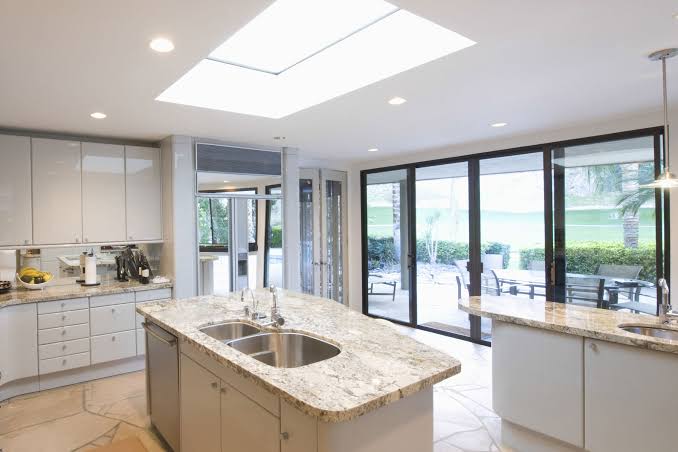
Bringing natural light into a dark attic or hallway can completely transform the feel of your home, but the financial uncertainty often stops homeowners in their tracks. You want to brighten your space without blowing your budget, which is why understanding how much does it cost to install a roof window is the critical first step in your planning process. This guide breaks down every expense, from the unit itself to the final sealant, so you can make an informed decision with confidence.
Understanding the Average Cost Breakdown
When planning for a new roof window, also commonly referred to as a skylight, it is essential to look beyond just the price tag of the glass unit. The total investment is a combination of materials, labor, and structural modifications. In 2026, the national average for installing a standard fixed roof window ranges between $1,500 and $3,500. However, this figure can fluctuate significantly based on complexity.
For a basic, small fixed unit installed on an easily accessible roof, you might find deals closer to $900. Conversely, large, motorized venting windows with custom flashing and electrical wiring can push costs upward of $4,500 to $6,000.
Material vs. Labor Costs
A common misconception is that the window itself is the most expensive part of the equation. In reality, labor and structural integrity often command a larger share of the budget.
- Materials (30-40%): This includes the window unit, flashing kits, insulation, and drywall repair materials.
- Labor (60-70%): Professional roofing contractors charge for their expertise, insurance, and the physical difficulty of working at heights. Labor rates vary by region, with urban areas in the US typically charging more than rural locations.
Factors That Influence Installation Prices
Several variables determine where your project falls on the price spectrum. Understanding these factors will help you anticipate potential additional costs.
1. Type of Roof Window
Not all roof windows are created equal. The functionality you choose directly impacts the price.
- Fixed Windows: These do not open. They are the most affordable option because they require no mechanical parts or complex sealing mechanisms.
- Venting (Operable) Windows: These can be opened manually or via remote control. They provide ventilation but cost more due to the hardware involved.
- Tubular Skylights: Ideal for small spaces like hallways. They are generally cheaper to install because they require less structural cutting, often ranging from $800 to $1,500.
2. Roof Pitch and Accessibility
Contractors charge more for steep roofs. A steep pitch requires additional safety equipment, such as harnesses and scaffolding, which increases labor time. If your roof is difficult to access or requires special lifts to reach, expect a premium on the labor cost.
3. Structural Modifications
If your attic has rafters that need to be cut to fit the window, a structural header must be installed to maintain the roof’s integrity. This requires carpentry skills beyond standard roofing work. If the installation site lacks existing framing support, the cost will rise due to the extra materials and labor hours required.
Fixed vs. Venting: Which Is Right for You?
Choosing between a fixed and a venting window is not just about cost; it is about function. Here is a quick comparison to help you decide.
| Feature | Fixed Roof Window | Venting Roof Window |
|---|---|---|
| Average Cost | $1,000 – $2,500 | $1,800 – $4,500 |
| Ventilation | None | Excellent air flow |
| Maintenance | Low | Higher (moving parts) |
| Energy Efficiency | High (sealed tight) | Variable (depends on seal) |
| Best For | Dark rooms, aesthetics | Kitchens, bathrooms, attics |
Fixed windows are perfect if your primary goal is daylighting. They are less prone to leaks over time because there are fewer moving parts to fail. Venting windows are ideal for moisture-prone areas like bathrooms or hot attics where air circulation is necessary.
The Importance of Professional Installation
While DIY projects are tempting, roof window installation is one area where professional expertise is non-negotiable. Improper installation is the leading cause of leaks, which can lead to thousands of dollars in water damage repairs later.
Professional installers ensure that the flashing—the metal strips that seal the gap between the window and the roof—is integrated correctly with your existing shingles or roofing material. According to industry standards, proper flashing involves layering materials to direct water away from the opening, a technique that requires precision and experience.
For more detailed information on roofing structures and materials, you can refer to Wikipedia’s entry on Roofing, which provides a comprehensive overview of the components that protect your home.
Step-by-Step Installation Overview
Understanding the process helps you appreciate the labor costs. Here is what a professional installation typically entails:
- Site Preparation: The contractor marks the interior ceiling and exterior roof location. They ensure no electrical wires or plumbing pipes are in the way.
- Cutting the Opening: Using a saw, the roofer cuts through the roofing material and sheathing. If rafters are in the way, they are carefully cut and reinforced with headers.
- Installing the Frame: The window frame is secured into the opening. It must be perfectly level to ensure the window operates correctly and drains water properly.
- Flashing and Sealing: This is the most critical step. Metal flashing is installed under and over the shingles around the window. High-quality sealant is applied to all joints.
- Interior Finishing: Inside the house, a shaft or tunnel is built from the roof deck to the ceiling. This is insulated, vapor-barriered, and drywalled to prevent condensation and heat loss.
Hidden Costs to Watch Out For
When budgeting, keep these potential extra expenses in mind:
- Permits: Most municipalities require a building permit for structural changes. Fees typically range from $50 to $200.
- Electrical Work: If you choose a motorized window or want to add blinds, you will need an electrician. Expect to pay $150 to $300 for this addition.
- Drywall Repair: If the installation damages your interior ceiling paint or texture, you may need to hire a painter or drywaller to restore the finish.
- Old Unit Removal: If you are replacing an existing skylight, removal and disposal fees may apply, usually around $100 to $200.
FAQ Section
How long does it take to install a roof window?
A standard installation by a professional crew typically takes one to two days. This includes cutting the roof, installing the unit, flashing, and finishing the interior shaft. Complex projects with structural reinforcements may take longer.
Do roof windows increase home value?
Yes, they can. Natural light is a highly sought-after feature in real estate. While the exact ROI varies, a well-installed roof window can improve curb appeal and energy efficiency, making your home more attractive to buyers. However, ensure it is professionally done to avoid red flags during inspections.
Are roof windows energy efficient?
Modern roof windows are designed with double or triple-pane glass and Low-E coatings to minimize heat transfer. In winter, they can help retain heat, and in summer, venting models can release hot air. Look for units with an ENERGY STAR® rating to ensure maximum efficiency.
Can I install a roof window myself?
It is strongly discouraged unless you have advanced roofing and carpentry skills. Incorrect installation voids warranties and poses significant leak risks. The cost of fixing a leak far outweighs the savings from DIY labor.
What is the best time of year to install a roof window?
Late spring to early fall is ideal because the weather is predictable. Rain or snow can delay the project and compromise the sealing process. However, experienced contractors can work in colder months if necessary, provided the temperature allows for proper sealant curing.
Conclusion
Investing in a roof window is a powerful way to enhance your home’s ambiance and energy efficiency. While the question of how much does it cost to install a roof window has a variable answer, typically falling between $1,500 and $3,500, the value it adds to your daily life is immeasurable. By choosing the right type of window, hiring a certified professional, and accounting for hidden costs like permits and electrical work, you can ensure a smooth and successful renovation.
Don’t let darkness dictate your home’s mood. Take the next step by getting quotes from local, reputable contractors today. If you found this guide helpful, please share it with friends or family who are considering brightening up their living spaces!