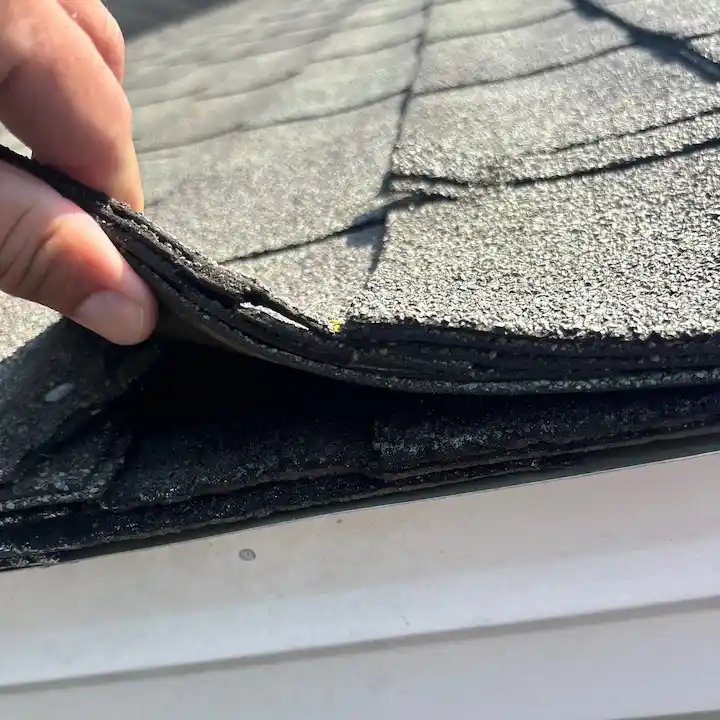
Have you noticed your roof looking a bit worn out, but the thought of a full tear-off feels overwhelming and expensive? You are not alone; many homeowners ask, “Can I put another layer of shingles on my roof?” as a potential shortcut to extend their home’s lifespan without breaking the bank. While this method, known as an overlay, can be tempting, it comes with significant structural and legal considerations that you must understand before hiring a contractor.
Is It Legal to Add a Second Layer of Shingles?
Before you even consider the physical act of nailing new shingles over old ones, you must address the regulatory aspect. The short answer is: It depends on where you live.
Building codes vary significantly by state, county, and even city. In many parts of the United States, local building departments strictly limit the number of roofing layers allowed on a single structure. The most common rule is a maximum of two layers. If your roof already has two layers, a complete tear-off is mandatory.
Why do these codes exist? They are primarily safety measures. Roofing materials are heavy, and residential framing is engineered to support a specific load. Adding excessive weight can compromise the structural integrity of your home, especially in areas prone to heavy snow or high winds.
To ensure you are compliant, you should check your local building codes. A reliable starting point for understanding general construction standards is the International Residential Code (IRC), which serves as the basis for many local regulations in the US. Always consult with a licensed local roofer who knows the specific ordinances in your municipality. Ignoring these rules can lead to failed inspections, fines, and difficulties when selling your home.
What Are the Pros and Cons of Roof Overlays?
Deciding whether to overlay or tear off requires a balanced view of the benefits and drawbacks. Here is a breakdown to help you weigh your options.
The Advantages of an Overlay
- Cost Savings: This is the biggest driver for homeowners. By skipping the tear-off, you save on labor costs associated with removing old materials and paying dump fees for disposal. You can typically save 15% to 25% on the total project cost.
- Time Efficiency: A tear-off can take several days, leaving your home vulnerable to weather. An overlay is much faster, often completed in a single day, minimizing disruption to your daily life.
- Added Insulation: An extra layer of shingles and underlayment provides additional thermal protection, which might slightly improve your home’s energy efficiency.
- Less Mess: Tear-offs generate massive amounts of debris and dust. An overlay keeps the old material in place, resulting in a cleaner job site.
The Disadvantages of an Overlay
- Hidden Damage: This is the most critical risk. By covering the old roof, you cannot inspect the roof deck (plywood or OSB) for rot, water damage, or mold. If there are underlying issues, they will continue to worsen unseen.
- Voided Warranties: Many major shingle manufacturers will void their warranty if their products are installed over an existing layer. They require installation on a clean, solid deck to guarantee performance.
- Reduced Lifespan: New shingles laid over old ones do not lie as flat. The uneven surface can cause premature wear, curling, and reduced wind resistance. Consequently, the new roof may not last as long as one installed on a bare deck.
- Future Complications: When the time comes to replace the roof again, you will have two layers to remove. This doubles the labor and disposal costs for the next homeowner or for you in the future.
| Feature | Roof Overlay | Full Tear-Off |
|---|---|---|
| Cost | Lower (Save 15-25%) | Higher |
| Time | Fast (1-2 Days) | Slower (3-5 Days) |
| Inspection | Impossible (Deck covered) | Complete (Deck exposed) |
| Warranty | Often Voided | Fully Valid |
| Longevity | Potentially Shorter | Maximum Lifespan |
How Does Weight Impact Your Home’s Structure?
A common misconception is that shingles are light. However, roofing materials add significant dead load to your home’s framing.
Standard asphalt shingles weigh approximately 2 to 3 pounds per square foot. For an average 2,000-square-foot roof, one layer adds roughly 4,000 to 6,000 pounds of weight. Adding a second layer doubles this load.
While most modern homes are built to handle this extra weight, older homes (particularly those built before 1980) may have framing that was not designed for multiple layers. If you live in an area with heavy snowfall, the combination of two roof layers and accumulated snow can push your roof beyond its safe load capacity.
Expert Tip: If you are unsure about your home’s structural capacity, hire a structural engineer to assess your roof framing before proceeding with an overlay. This small upfront cost can prevent catastrophic failure later.
What Is the Proper Installation Process for an Overlay?
If you determine that an overlay is viable for your home, proper installation is crucial to mitigate risks. Here is a step-by-step guide to how professionals approach this task:
- Inspect the Existing Roof: Even though you aren’t tearing it off, you must walk the roof. Look for curled, missing, or severely damaged shingles. These areas must be repaired or flattened before adding a new layer.
- Prepare the Surface: Remove any loose granules, moss, or debris. Install a new layer of high-quality synthetic underlayment over the existing shingles. This provides a smooth, water-resistant barrier.
- Check Flashings: Inspect metal flashings around chimneys, vents, and valleys. Since you are raising the roof level, existing flashings may need to be extended or replaced to ensure water tightness.
- Install Starter Strips: Apply new starter strips along the eaves. This ensures the first row of shingles adheres properly and prevents wind uplift.
- Lay the New Shingles: Begin installing the new shingles according to the manufacturer’s guidelines. Ensure nails are long enough to penetrate through both layers and into the roof deck securely. Note: Standard nails may be too short; use nails specifically rated for double-layer applications.
- Seal and Ventilate: Ensure that ridge vents and soffit vents are not blocked by the new material. Proper airflow is essential to prevent heat buildup, which can cook the shingles from the inside out.
Frequently Asked Questions (FAQ)
1. Will adding a second layer void my homeowner’s insurance?
Not necessarily, but it can complicate claims. Some insurance providers may deny coverage for water damage if they determine that poor installation or hidden rot caused the issue. Always disclose the overlay to your insurance agent to ensure your policy remains valid.
2. Can I put a third layer of shingles on my roof?
In almost all cases, no. Most building codes in the US prohibit three layers of roofing material due to weight concerns and fire safety risks. If you already have two layers, you must tear them all off before installing a new roof.
3. Does an overlay affect the resale value of my home?
It can have a mixed effect. Buyers often prefer a full tear-off because it guarantees a fresh start with no hidden issues. An overlay might raise red flags during a home inspection, potentially requiring you to lower the asking price or offer credits for a future tear-off.
4. How long does a roof overlay last compared to a new roof?
A standard new roof lasts 20–25 years. An overlay typically lasts 15–20 years. The uneven surface and trapped heat can accelerate aging, so expect a slightly shorter lifespan.
5. Is it cheaper to repair or overlay?
If the damage is localized (e.g., a few missing shingles from a storm), repair is always cheaper. However, if the entire roof is nearing the end of its life, an overlay is cheaper than a full replacement but more expensive than minor repairs.
Conclusion
So, can you put another layer of shingles on your roof? Yes, technically you can, provided local codes allow it and your home’s structure can support the weight. It offers a quick, cost-effective solution for homeowners on a budget. However, it is not without risks. Hidden damage, voided warranties, and future removal costs are significant downsides that cannot be ignored.
For most homeowners, a full tear-off remains the gold standard for longevity and peace of mind. But if your current roof is in decent shape and you need to stretch your budget, an overlay performed by a licensed professional can be a viable temporary solution.
Did this article help you decide on your roofing project? Share this guide with friends or family who are facing similar home improvement dilemmas on social media!