Tag: Roof Replacement Price

  • How Much For A New Roof On A Small House?

    How Much For A New Roof On A Small House?

    Replacing a roof is one of the most significant investments a homeowner can make. It protects your family, enhances curb appeal, and ensures structural integrity. If you are wondering how much for a new roof on a small house, you are likely looking for clarity amidst confusing quotes and varying material prices. This guide breaks down the costs clearly so you can budget with confidence.

    Understanding the Average Cost Range

    When planning a roofing project, the first question is always about the bottom line. For a small house in the United States, typically defined as having a roof area between 1,000 and 1,500 square feet, the costs can vary significantly based on materials and location.

    In 2026, the national average cost to replace a roof on a small home ranges from $5,000 to $12,000. However, this is a broad estimate. Several factors influence where your specific project will fall within this range.

    Breakdown by Material Type

    The choice of roofing material is the single biggest driver of cost. Here is a realistic look at what you might pay for a small house (approx. 1,200 sq. ft. roof area):

    MaterialCost per Sq. Ft.Total Estimated CostLifespan
    Asphalt Shingles$3.50 – $5.50$4,200 – $6,60015–25 Years
    Metal Roofing$7.00 – $12.00$8,400 – $14,40040–70 Years
    Wood Shakes$6.00 – $9.00$7,200 – $10,80020–30 Years
    Clay/Concrete Tile$10.00 – $18.00$12,000 – $21,60050+ Years

    Note: These prices include both materials and labor. Prices may vary by region.

    Asphalt shingles remain the most popular choice for small homes due to their affordability and ease of installation. However, if you plan to stay in your home for decades, investing in metal or tile might offer better long-term value despite the higher upfront cost.

    What Factors Influence Roofing Costs?

    Understanding why prices fluctuate helps you negotiate better with contractors. It is not just about the square footage; several hidden variables play a crucial role.

    Roof Pitch and Complexity

    A “small” house does not always mean a “simple” roof. If your small home has a steep pitch, multiple gables, dormers, or chimneys, the labor cost increases. Roofers charge more for steep roofs because they require special safety equipment and take longer to complete.

    • Low Slope: Easier to walk on, lower labor cost.
    • Steep Slope: Requires harnesses and extra caution, increasing labor by 20–30%.

    Geographic Location

    Labor rates vary wildly across the US. A roof replacement in rural Midwest areas will generally cost less than in major metropolitan hubs like New York City or San Francisco. Additionally, local building codes may require specific materials that withstand regional weather patterns, such as hurricane straps in Florida or ice dams protection in Minnesota.

    Removal of Old Roofing

    Does your quote include tear-off? Removing the existing roof adds to the cost. Most contractors charge between $1.00 and $2.50 per square foot for removal and disposal. If you have multiple layers of old shingles, the weight and labor increase, pushing the price higher. Always confirm if “tear-off” is included in your initial estimate.
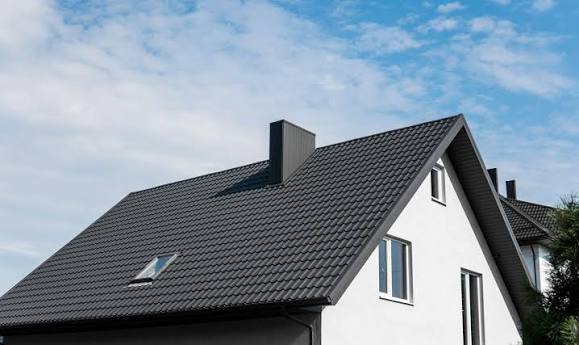
    How Much For A New Roof On A Small House

    How to Calculate Your Specific Roof Size

    Many homeowners mistakenly use their home’s floor plan square footage to estimate roofing costs. This is inaccurate. The roof area is almost always larger than the living area due to overhangs and pitch.

    To get a rough estimate:

    1. Measure the length and width of each section of your roof from the ground.
    2. Multiply length by width to get the flat area.
    3. Apply a pitch multiplier. For example, a 6/12 pitch adds roughly 1.12 times the flat area.

    For precise measurements, professionals use satellite imagery or drone technology. When asking how much for a new roof on a small house, provide contractors with your address so they can pull these accurate measurements before visiting.

    Choosing the Right Contractor

    The lowest bid is not always the best option. Poor installation can void warranties and lead to leaks within years. To ensure quality, follow these steps:

    1. Get Three Quotes: Never settle for the first estimate. Compare line items carefully.
    2. Check Licenses and Insurance: Ensure the contractor is licensed in your state and carries liability and workers’ compensation insurance.
    3. Read Reviews: Look for recent reviews on Google and Bing. Pay attention to comments about cleanliness and communication.
    4. Ask About Warranties: A reputable roofer offers both a manufacturer’s warranty on materials and a workmanship warranty on labor.

    According to industry standards, proper installation is critical for longevity. You can read more about general construction standards on Wikipedia’s Roofing page to understand the technical basics involved.

    Money-Saving Tips for Small Homeowners

    Replacing a roof is expensive, but there are ways to manage the cost without sacrificing quality.

    Time Your Project Strategically

    Roofing demand peaks in late summer and early fall. Scheduling your project during the “shoulder seasons” of late winter or early spring might result in lower prices. Contractors are often eager to fill their schedules during slower months and may offer discounts.

    Consider Overlaying (With Caution)

    In some cases, you can install new shingles over the old ones. This saves on tear-off costs. However, this is only viable if there is only one existing layer and the deck is in good condition. Check local building codes, as many jurisdictions prohibit more than two layers of roofing.

    Choose Standard Colors

    Custom-colored or premium architectural shingles cost more. Sticking to standard colors like black, gray, or brown can save you money because these materials are readily available and do not require special orders.

    FAQ Section

    1. Does homeowners insurance cover roof replacement?

    Insurance typically covers roof replacement if the damage is caused by a sudden, covered peril like a storm, hail, or fire. It usually does not cover wear and tear or age-related deterioration. Review your policy and document any storm damage immediately.

    2. How long does it take to replace a roof on a small house?

    For a small house, a professional crew can typically complete the job in 1 to 2 days. Weather delays or complex roof structures may extend this timeline. Always ask your contractor for a projected schedule.

    3. Is it cheaper to repair or replace a small roof?

    If your roof is less than 10 years old and the damage is localized (e.g., a few missing shingles), repair is more cost-effective. However, if the roof is nearing the end of its lifespan or has widespread leaking, replacement is the smarter financial decision to avoid recurring repair costs.

    4. What is the most durable roofing material for a small house?

    Metal roofing is widely considered the most durable option, lasting 40–70 years. It is resistant to fire, wind, and mildew. While the upfront cost is higher than asphalt, its longevity often makes it cheaper over the life of the home.

    5. Can I install a new roof myself to save money?

    While DIY roofing is possible, it is highly discouraged for most homeowners. Improper installation can lead to severe water damage, voided warranties, and safety hazards. Professional installation ensures compliance with building codes and manufacturer requirements.

    6. How much should I budget for unexpected costs?

    It is wise to set aside an additional 10–15% of your total budget for unforeseen issues. Common surprises include rotten decking wood that needs replacement or outdated flashing that requires upgrading.

    Conclusion

    Knowing how much for a new roof on a small house empowers you to make informed decisions. While the average cost ranges from $5,000 to $12,000, your final price depends on materials, labor, and geographic location. By understanding these factors, getting multiple quotes, and choosing the right materials, you can protect your home without breaking the bank.

    Remember, a roof is not just an expense; it is a vital component of your home’s value and safety. Take your time, do your research, and choose a contractor who values transparency and quality.

    Found this guide helpful? Share it with friends or family who are planning home improvements on social media!
  • Metal Roof Replacement Cost: 2026 Guide

    Metal Roof Replacement Cost: 2026 Guide

    Replacing a roof is one of the most significant investments a homeowner can make, often causing anxiety about hidden fees and fluctuating material prices. If you are staring at aging shingles or rusted panels, you are likely asking, “How Much Does It Cost To Replace A Metal Roof?” to ensure you get durability without breaking the bank. This guide breaks down the real costs, helping you plan your budget with confidence and clarity.

    Understanding the Average Cost of Metal Roof Replacement

    When planning your renovation, understanding the baseline numbers is crucial. In 2026, the national average cost to replace a metal roof typically ranges between $12,000 and $25,000 for an average-sized home (approximately 2,000 square feet). However, this figure can vary significantly based on location, material choice, and labor complexity.

    On a per-square-foot basis, homeowners generally pay between $8 and $18 per square foot installed. This price includes both materials and labor. While this upfront cost is higher than traditional asphalt shingles, the longevity of metal roofing often makes it more cost-effective over time.

    Key Factors Influencing Price

    • Material Type: Steel is affordable; copper is premium.
    • Roof Complexity: Multiple chimneys, skylights, or steep pitches increase labor time.
    • Geographic Location: Labor rates in urban areas like New York or San Francisco are higher than in rural regions.
    • Removal of Old Roofing: Tearing off existing layers adds to disposal and labor costs.

    Breaking Down Costs by Material Type

    Not all metal roofs are created equal. The type of metal you choose is the single biggest driver of your final bill. Here is a detailed look at the most common options available in the US market today.

    1. Galvanized Steel (G-90)

    This is the most popular choice for residential homes due to its balance of cost and durability. It is coated with zinc to prevent rust.

    • Cost: $8 – $12 per sq. ft.
    • Best For: Budget-conscious homeowners seeking long-term value.

    2. Aluminum

    Aluminum is lightweight and naturally resistant to corrosion, making it ideal for coastal areas where salt air is a concern.

    • Cost: $10 – $14 per sq. ft.
    • Best For: Homes near the ocean or in humid climates.

    3. Zinc

    Zinc is self-healing; minor scratches oxidize and seal themselves over time. It has a distinctive matte gray appearance that ages beautifully.

    • Cost: $14 – $18 per sq. ft.
    • Best For: Modern architectural styles and eco-conscious buyers.

    4. Copper

    The gold standard of roofing. Copper develops a green patina over decades and can last over 100 years. It is extremely expensive but offers unmatched aesthetics.

    • Cost: $20 – $30+ per sq. ft.
    • Best For: Historic restorations and luxury estates.
    MaterialAvg. Cost per Sq. Ft.LifespanMaintenance Level
    Steel$8 – $1240-60 YearsLow
    Aluminum$10 – $1450+ YearsVery Low
    Zinc$14 – $1880-100 YearsLow
    Copper$20 – $30+100+ YearsMinimal

    Labor and Installation Expenses

    Labor typically accounts for 40% to 60% of the total project cost. Installing metal roofing requires specialized skills that differ significantly from laying asphalt shingles. Improper installation can lead to leaks, noise issues, and voided warranties.

    Why Labor Costs Vary

    • Panel Style: Standing seam panels require more precision and time to install than exposed-fastener corrugated panels.
    • Roof Pitch: Steeper roofs require additional safety equipment and slow down the workflow, increasing hourly labor charges.
    • Underlayment Quality: High-quality synthetic underlayment costs more but provides superior protection against ice dams and wind-driven rain.

    According to industry standards, professional installers charge between $4 and $8 per square foot for labor alone. Always verify that your contractor is certified by the manufacturer, as many warranties require professional installation to remain valid.

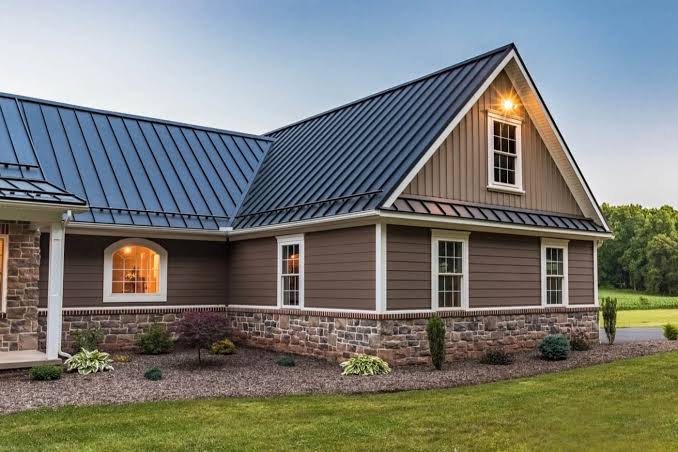
    How Much Does It Cost To Replace A Metal Roof

    Additional Costs to Consider

    Beyond the basic materials and labor, several “hidden” costs can impact your final invoice. Being aware of these helps avoid sticker shock.

    1. Old Roof Removal

    If your local building code allows it, you might install metal over existing shingles. However, most professionals recommend removing the old roof to inspect the decking for rot.

    • Cost: $1 – $5 per sq. ft. for tear-off and disposal.

    2. Structural Reinforcement

    Metal roofs are generally lighter than tile or slate, but heavier than asphalt. If your home’s framing is old or weak, you may need structural upgrades.

    • Cost: $1,000 – $3,000 depending on extent.

    3. Flashing and Trim

    High-quality flashing around chimneys, vents, and valleys is critical for preventing leaks. Cheap flashings fail quickly.

    • Cost: Included in most quotes, but premium copper flashing adds extra cost.

    4. Permits and Inspections

    Local municipalities require permits for roof replacements to ensure compliance with building codes.

    • Cost: $100 – $500, varying by city.

    For more detailed information on building standards and safety regulations, you can refer to general construction guidelines on Wikipedia.

    Is Metal Roofing Worth the Investment?

    When analyzing how much does it cost to replace a metal roof, it is essential to look at the Return on Investment (ROI). While the initial outlay is high, the long-term benefits are substantial.

    Energy Efficiency

    Metal roofs reflect solar radiant heat, which can reduce cooling costs by 10-25%. Many modern metal roofs come with cool-roof pigments that meet Energy Star standards.

    Durability and Longevity

    Unlike asphalt shingles that need replacement every 15-20 years, a quality metal roof lasts 40-70 years. This means you might never have to replace your roof again during your ownership of the home.

    Insurance Discounts

    Many insurance companies offer discounts of 5-15% on homeowners’ insurance premiums for metal roofs due to their resistance to fire, wind, and hail.

    Step-by-Step Guide to Budgeting Your Project

    To ensure you stay within budget, follow these concrete steps:

    1. Measure Your Roof: Calculate the square footage. A “square” in roofing equals 100 sq. ft. An average home is 15-20 squares.
    2. Get 3-5 Quotes: Never settle for the first bid. Ensure each quote includes the same scope of work (materials, labor, cleanup).
    3. Check Credentials: Verify licenses, insurance, and manufacturer certifications.
    4. Review Warranty Terms: Look for both a workmanship warranty (from the installer) and a material warranty (from the manufacturer).
    5. Plan for Timing: Schedule installation during shoulder seasons (spring or fall) when contractors may offer better rates due to lower demand.

    FAQ Section

    How much does it cost to replace a metal roof on a 2,000 sq. ft. house?

    For a 2,000 sq. ft. home, expect to pay between $16,000 and $36,000. This range depends heavily on whether you choose basic steel panels or premium standing seam aluminum.

    Is it cheaper to put metal roofing over shingles?

    Yes, it can save $1,000 to $3,000 by avoiding tear-off and disposal fees. However, this is only advisable if the existing roof deck is solid and local codes permit it. Trapping moisture between layers can cause rot, so professional assessment is vital.

    Does homeowners insurance cover metal roof replacement?

    Insurance typically covers replacement only if the damage is caused by a covered peril, such as a storm, hail, or fire. It does not cover wear and tear or age-related deterioration. Check your policy for specific exclusions.

    What is the cheapest metal roofing option?

    Corrugated galvanized steel panels with exposed fasteners are the most affordable option. They are durable and functional but lack the sleek aesthetic and leak-resistance of standing seam systems.

    How long does a metal roof last compared to shingles?

    A metal roof lasts 2-3 times longer than asphalt shingles. While shingles last 15-20 years, metal roofs easily last 40-70 years, offering better long-term value despite the higher initial cost.

    Conclusion

    Understanding how much does it cost to replace a metal roof empowers you to make a smart financial decision for your home. While the upfront cost ranges from $8 to $18 per square foot, the durability, energy savings, and increased property value make it a worthy investment. By choosing the right material and hiring a certified professional, you secure a roof that protects your family for decades.

    If you found this guide helpful, please share it on social media to help other homeowners navigate their roofing projects with confidence!