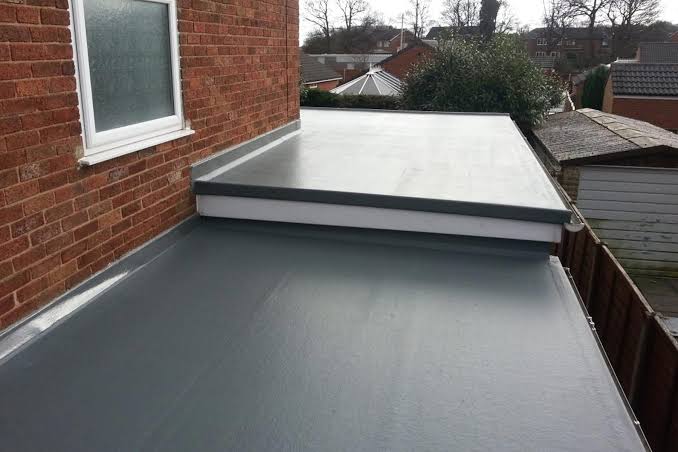
Have you noticed your flat roof leaking or showing signs of wear, and now you’re facing the daunting prospect of a full tear-off? It is a common dilemma for homeowners and property managers alike: dealing with an aging membrane without wanting to disrupt the entire building structure. Many ask, “Can you put a rubber roof over a rubber roof?” The short answer is yes, but it comes with critical conditions that determine whether this choice saves you money or causes catastrophic damage later.
In this guide, we will break down the technical requirements, safety considerations, and long-term implications of installing a new EPDM (Ethylene Propylene Diene Monomer) layer over an existing one. We aim to provide you with the clarity needed to make an informed decision, balancing cost-efficiency with structural integrity.
Is It Safe to Install New EPDM Over Old EPDM?
The primary concern when considering an overlay is not just adhesion, but the hidden health of the substrate beneath. While EPDM is renowned for its durability—often lasting 20 to 30 years—it is not invincible.
According to industry standards, you can install a new rubber roof over an old one, provided the existing roof is structurally sound. However, “structurally sound” means more than just “not leaking today.” The existing membrane must be fully adhered to the deck, free of significant blistering, and devoid of trapped moisture.
If the old roof has absorbed water into the insulation layers below, covering it with a new membrane is akin to putting a bandage on an infected wound. The moisture will remain trapped, leading to rot, mold, and eventual deck failure. Therefore, a professional moisture survey is non-negotiable before proceeding.
The Role of Building Codes
Local building codes often dictate the maximum number of roof layers allowed. In many jurisdictions in the US, two layers are the legal maximum. If you already have two layers, a complete tear-off is mandatory. Always check with your local building department or a licensed roofing contractor to ensure compliance.
Key Conditions for a Successful Roof Overlay
Not every rubber roof is a candidate for an overlay. To ensure the longevity of your new investment, specific criteria must be met. Ignoring these can void warranties and lead to premature failure.
1. Structural Integrity Check
The roof deck must be rigid and stable. If there are soft spots when you walk on the roof, the underlying wood or concrete is compromised. No amount of new rubber will fix a rotting deck.
2. Surface Preparation
The existing surface must be clean, dry, and free of debris. Any loose gravel, dirt, or biological growth (like moss or algae) must be removed. More importantly, any existing patches or repairs must be inspected. If the old repairs are failing, they need to be addressed or removed.
3. Compatibility of Materials
Ensure that the new EPDM membrane is compatible with the old one. While most EPDM is similar, differences in thickness or formulation can affect adhesion. Using a separation sheet or cover board is often recommended to create a uniform surface.
Step-by-Step Guide: How to Overlay a Rubber Roof
If your roof passes the inspection phase, here is how the installation process typically unfolds. This is a general overview; always follow the specific manufacturer’s instructions for the products you choose.
- Clean the Surface Thoroughly: Use a industrial-grade broom or blower to remove all loose debris. Wash the surface with a mild detergent solution if necessary, and allow it to dry completely. Use 2 liters of water mixed with 50ml of mild detergent per 10 square meters, ensuring the temperature is between 22–28°C for optimal drying.
- Inspect and Repair: Cut out any severely damaged areas of the old roof. Replace wet insulation boards with new, dry ones. Secure any loose edges of the existing membrane.
- Install a Separation Layer (Optional but Recommended): Lay down a geotextile separation sheet or a thin cover board. This protects the new membrane from irregularities in the old roof and provides a fresh surface for adhesion.
- Apply Adhesive: Roll out the new EPDM membrane. Apply a compatible contact adhesive to both the back of the new membrane and the prepared surface (or separation layer). Allow the adhesive to become tacky as per the manufacturer’s time guidelines (usually 10–20 minutes).
- Bond the Membrane: Carefully roll the new EPDM onto the surface, starting from one edge and working across to avoid air bubbles. Use a heavy roller to ensure firm contact.
- Seal the Seams: Use seam tape and primer to seal all overlaps. This is the most critical step for waterproofing. Ensure seams are overlapped by at least 3 inches.
- Flash Details: Pay special attention to penetrations (vents, pipes) and edges. Use flashing kits designed for EPDM to ensure these vulnerable areas are watertight.
Pros and Cons: Overlay vs. Full Tear-Off
Making the right choice requires weighing the immediate benefits against long-term risks. Here is a comparison to help you decide.
| Feature | Roof Overlay (Layering) | Full Tear-Off |
|---|---|---|
| Cost | Lower (saves on disposal and labor) | Higher (includes removal and disposal fees) |
| Time | Faster installation (days vs. weeks) | Slower due to demolition phase |
| Waste | Minimal environmental impact | Significant waste sent to landfills |
| Inspection | Cannot inspect deck thoroughly | Allows full inspection of deck/insulation |
| Longevity | Dependent on condition of old roof | Maximizes lifespan of new system |
| Weight | Adds load to the structure | Resets structural load |
Note: Adding a second layer increases the weight on your roof structure. Ensure your building can support the additional load, especially in areas with heavy snowfall.
Why Moisture Trapping Is the Biggest Risk
The most significant argument against overlaying roofs is the potential for trapping moisture. If the existing insulation is wet, sealing it under a new impermeable membrane creates a “steam engine” effect. As the sun heats the roof, the trapped water turns to vapor, creating pressure that can blister the new membrane and degrade the roof deck.
For a deeper understanding of how moisture affects building materials, you can refer to resources on building envelope science. Understanding the physics of vapor drive is crucial for long-term roof health.
Expert Tips for Extending Roof Life
- Regular Inspections: Twice a year, inspect your roof for debris, ponding water, or seam issues.
- Keep Drains Clear: Clogged drains cause water to pool, which accelerates wear and adds unnecessary weight.
- Avoid Foot Traffic: Limit access to the roof to essential maintenance only. Use walkway pads if frequent access is required.
FAQ Section
1. Will overlaying my roof void the warranty?
It depends on the manufacturer. Some manufacturers offer warranties for overlay systems if their specific protocols are followed. However, many warranties require a complete tear-off. Always read the fine print and consult with the manufacturer before starting.
2. How much weight does a second rubber roof layer add?
EPDM is lightweight, typically adding about 0.3 to 0.5 pounds per square foot. While this seems minimal, combined with snow loads and existing structures, it must be calculated by a structural engineer to ensure safety.
3. Can I put a rubber roof over a TPO or PVC roof?
Generally, no. Different thermoplastic membranes (like TPO or PVC) are not chemically compatible with EPDM adhesives. Attempting to bond them directly can lead to adhesion failure. A separation layer is strictly required in such cases, and even then, it is often not recommended.
4. What is the lifespan of an overlaid rubber roof?
An overlaid roof can last 15–20 years if installed correctly over a sound substrate. However, it may not reach the full 30-year potential of a new installation on a fresh deck due to the underlying variables.
5. Is it cheaper to overlay or replace?
Overlaying is typically 20–30% cheaper than a full tear-off because it eliminates disposal costs and reduces labor hours. However, if hidden damage is found later, the repair costs can outweigh the initial savings.
Conclusion
So, can you put a rubber roof over a rubber roof? Yes, you can, but it is not a one-size-fits-all solution. It is a viable option for roofs that are structurally sound, dry, and compliant with local codes. It offers cost savings and environmental benefits by reducing waste. However, the risk of trapping moisture makes professional assessment crucial.
If you are unsure about the condition of your current roof, invest in a professional inspection. It is better to spend a little more on a tear-off now than to deal with structural rot later.
Found this guide helpful? Share it with your network on social media to help other property owners make smarter roofing decisions!