Have you noticed your existing metal roof showing signs of wear, such as fading paint or minor leaks, and are you dreading the high cost and mess of a full tear-off? Many homeowners in the US face this dilemma, asking themselves, “Can you put a metal roof over a metal roof?” The short answer is yes, but it requires careful planning and adherence to specific structural guidelines to ensure longevity and safety.
In this comprehensive guide, we will explore the feasibility, benefits, and potential pitfalls of installing a new metal roof over an existing one. We’ll break down the technical requirements so you can make an informed decision that protects your home and your wallet.
Is It Structurally Safe to Install Metal Over Metal?
Before picking up a hammer, the most critical question is whether your home’s frame can handle the extra weight. While metal roofing is significantly lighter than traditional asphalt shingles or clay tiles, adding a second layer does increase the load on your roof trusses and walls.
Generally, a standard standing seam metal roof weighs between 1 to 1.5 pounds per square foot. If you are installing over an existing metal roof, you are adding roughly another pound per square foot. For most modern homes built after the 1970s, this additional load is negligible. However, older homes or those with compromised structural integrity may not support the dual layers.
Key Structural Considerations:
- Load Capacity: Consult a structural engineer if your home is older than 40 years.
- Snow Load: If you live in areas like Minnesota or Maine, consider the cumulative weight of two roof layers plus heavy snowfall.
- Local Codes: Always check with your local building department. Some municipalities strictly prohibit double-layer roofing regardless of material.
According to general construction principles outlined by resources like Wikipedia’s entry on Roofing, proper load distribution is essential for any overlay project to prevent long-term structural fatigue.
What Are the Benefits of a Metal-over-Metal Installation?
Choosing to install a new metal roof over an old one isn’t just about laziness; it offers several tangible advantages for homeowners looking to maximize value.
1. Significant Cost Savings
The most immediate benefit is financial. A full tear-off involves labor costs for removing the old roof, dumpster fees for disposal, and potential repairs to the decking exposed during removal. By skipping the tear-off, you can save 20% to 30% on total project costs.
2. Enhanced Insulation and Energy Efficiency
An additional layer of metal, combined with the air gap created by battens or strapping, acts as a thermal break. This can improve your home’s energy efficiency by reducing heat transfer. In hot US climates like Arizona or Texas, this can lead to noticeable reductions in cooling bills.
3. Environmental Friendliness
Roofing waste is a major contributor to landfills. By leaving the old roof in place, you keep tons of steel or aluminum out of the waste stream. This “green” approach appeals to eco-conscious homeowners and aligns with sustainable building practices.
4. Reduced Installation Time
Without the days spent stripping the old roof, the installation process is faster. This means your home is exposed to the elements for a shorter period, reducing the risk of water damage during unexpected rainstorms.
What Are the Risks and Drawbacks to Consider?
While the benefits are appealing, ignoring the risks can lead to costly failures. It is crucial to weigh these downsides carefully.
| Feature | Pros | Cons |
|---|---|---|
| Cost | Lower labor and disposal fees. | May require expensive furring strips to level the surface. |
| Durability | Double protection against elements. | Trapped moisture can cause hidden corrosion. |
| Aesthetics | Fresh look without structural change. | Existing wrinkles or dents may telegraph through the new roof. |
| Maintenance | Easier initial install. | Harder to inspect the lower roof for leaks later. |
The Moisture Trap Danger
The biggest technical risk is trapping moisture between the two metal layers. If the existing roof has minor leaks or condensation issues, sealing it under a new roof can accelerate corrosion. Metal roofs need to “breathe.” Without proper ventilation strategies, such as using vertical battens, you risk creating a greenhouse effect that rots any underlying wood decking and rusts the old metal.
Warranty Voidance
Many manufacturers of new metal roofing panels will void their warranty if installed over an existing roof. They cannot guarantee the performance of their product if the substrate (the old roof) is uneven or unstable. Always read the fine print or choose a manufacturer that explicitly allows overlays.
How to Properly Install a Metal Roof Over an Existing One
If you decide to proceed, proper preparation is non-negotiable. Here is a step-by-step approach to ensuring a successful installation.
Step 1: Inspect and Repair the Existing Roof
Walk the roof thoroughly. Look for loose fasteners, severe corrosion, or active leaks.
- Action: Replace any rotten wood decking visible from the attic.
- Action: Tighten all loose screws on the existing metal roof.
- Action: Seal any minor gaps with high-quality urethane sealant.
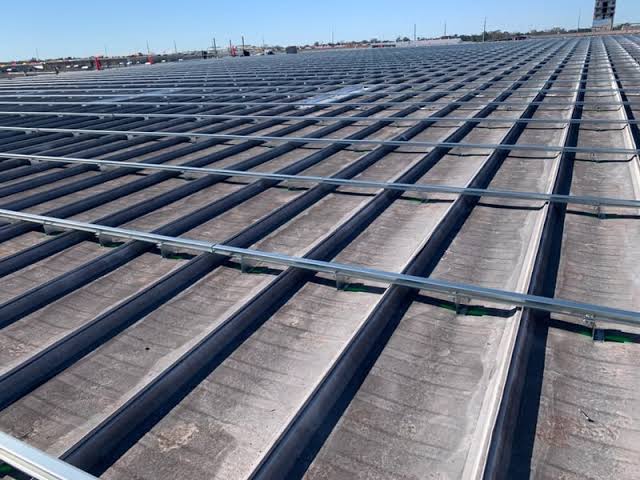
Step 2: Install Furring Strips (Battens)
Never install new metal directly flat against old metal. You must create an air gap.
- Material: Use 1×4 or 2×4 pressure-treated wood battens or metal z-clips.
- Spacing: Install battens vertically, spaced 24 inches on center (or according to the new panel’s specifications).
- Purpose: This creates a ventilation channel that allows moisture to escape and prevents the new roof from conforming to the imperfections of the old one.
Step 3: Add Underlayment (Optional but Recommended)
While not always required for metal-over-metal, adding a synthetic underlayment over the battens provides an extra layer of protection against wind-driven rain and condensation. Ensure it is breathable to maintain airflow.
Step 4: Install the New Metal Panels
Follow the manufacturer’s instructions precisely.
- Fastening: Use long enough screws to penetrate through the new panel, the batten, the old metal, and into the roof deck. Standard screws will not be long enough. You typically need screws that are at least 1.5 to 2 inches longer than usual.
- Alignment: Ensure panels are straight to avoid aesthetic issues.
Frequently Asked Questions (FAQ)
1. Will putting a metal roof over metal void my homeowner’s insurance?
Not necessarily, but it depends on your provider. Some insurers view overlays as higher risk due to potential hidden damage. It is vital to disclose the installation method to your insurance agent beforehand to ensure you remain covered.
2. Can I install metal over metal if the old roof is leaking?
No. You must fix all active leaks before installing the new roof. Installing a new roof over a leaking one simply traps the water, leading to rapid rot of the roof deck and structural damage. The existing roof must be watertight and structurally sound.
3. Does the color of the old roof matter?
The color itself doesn’t affect structural integrity, but a dark old roof can absorb more heat. However, since you are installing battens and a new reflective metal layer, the impact of the old color on your home’s interior temperature will be minimal.
4. How long does a metal-over-metal roof last?
If installed correctly with proper ventilation, the new metal roof should last just as long as if it were installed on bare decking—typically 40 to 70 years. The lifespan depends more on the quality of the new metal (gauge and coating) than the presence of the old roof.
5. Do I need a permit for this type of installation?
Yes, in most US jurisdictions, replacing a roof requires a building permit, even if you are not tearing off the old material. The permit process ensures that the added weight and installation methods meet local safety codes.
Conclusion
So, can you put a metal roof over a metal roof? Yes, you can, and it can be a smart, cost-effective solution for many homeowners. By saving on disposal costs and installation time, you get a durable, energy-efficient upgrade without the hassle of a full tear-off.
However, success hinges on three factors: structural integrity, moisture management, and proper fastening. Never skip the inspection phase, and always use battens to create a ventilated air gap. If you are unsure about the condition of your current roof, consult a professional roofing contractor who specializes in metal installations.
Did you find this guide helpful? Share it with your friends on Facebook or Pinterest who might be considering a roof upgrade! Let’s help more homeowners make smarter, safer choices for their properties.