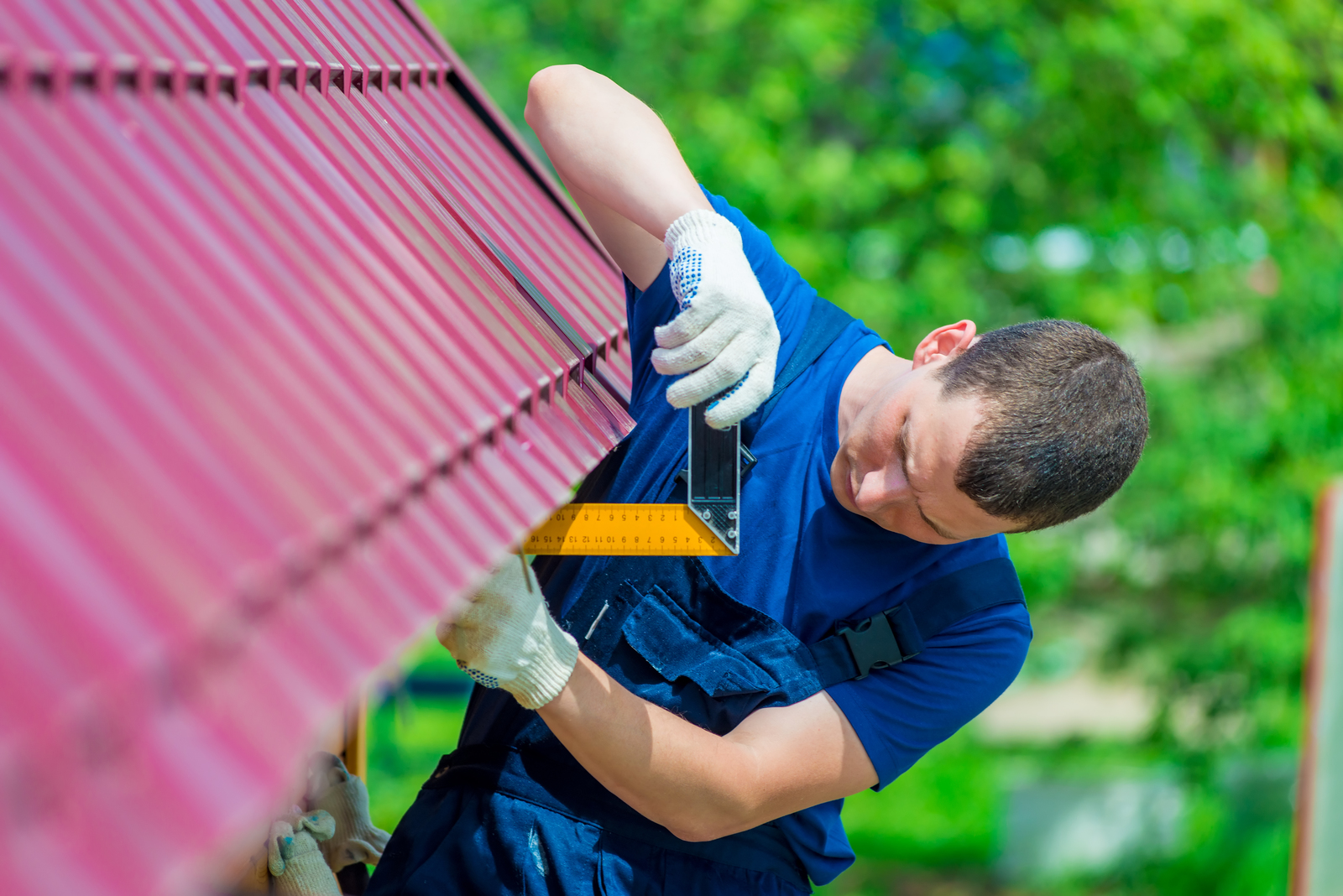
Tag: roof leak repair

  • Who Is The Best Person To Fix A Leaking Roof?

    Who Is The Best Person To Fix A Leaking Roof?

    Water dripping from your ceiling is more than just an annoyance; it is a ticking time bomb for your home’s structural integrity and your wallet. Seeing those dark stains spread across your drywall can induce immediate panic, leading many homeowners to grab a ladder and a tube of caulk in a desperate attempt to stop the flow. However, before you risk your safety or void your insurance policy with a DIY patch job, you need to ask the critical question: Who is the best person to fix a leaking roof?

    The short answer is a licensed, insured, and experienced roofing contractor. While handymen and general contractors have their place in home maintenance, roof leaks require specialized diagnostic skills and material-specific knowledge that only a professional roofer possesses. In this guide, we will break down exactly why specialists are superior for this task, how to vet them, and what steps you should take immediately when you spot a leak.

    Why a Licensed Roofing Contractor Is the Top Choice

    When water enters your home, the visible drip is rarely the entry point. Water travels along rafters, pipes, and insulation before finding a way out. This phenomenon, known as “water migration,” makes locating the source incredibly difficult for the untrained eye.

    A licensed roofing contractor specializes exclusively in roof systems. They understand the complex interplay between shingles, underlayment, flashing, ventilation, and drainage. According to industry standards, improper repair can lead to trapped moisture, which causes mold growth and wood rot within months.

    The Risk of General Handymen

    While a handyman might be cheaper and faster for minor tasks like replacing a single loose shingle on a low-pitch roof, they often lack the specific liability insurance required for high-risk roof work. If a handyman falls off your roof or causes further damage to the structure, you could be held personally liable. A professional roofing company carries both Workers’ Compensation and General Liability Insurance, protecting you from financial ruin.

    Key Differences: Roofer vs. Handyman vs. General Contractor

    To help you make an informed decision, let’s compare the three most common options homeowners consider. Understanding these distinctions is vital for protecting your investment.

    FeatureLicensed RooferGeneral ContractorHandyman
    SpecializationHigh (Roofs only)Medium (Whole house)Low (Various small tasks)
    InsuranceSpecific Roofing LiabilityGeneral LiabilityOften Uninsured/Limited
    WarrantyManufacturer & Labor WarrantyLimited Labor WarrantyRarely Offered
    Diagnostic SkillExpert in water tracingVariableBasic Visual Inspection
    CostHigher Initial CostModerateLowest Initial Cost
    Best ForComplex leaks, storm damageFull renovationsMinor cosmetic fixes

    As shown in the table, while a handyman offers a lower upfront cost, the long-term risk is significantly higher. For a problem as critical as a leak, the expertise of a licensed roofer ensures the fix lasts.
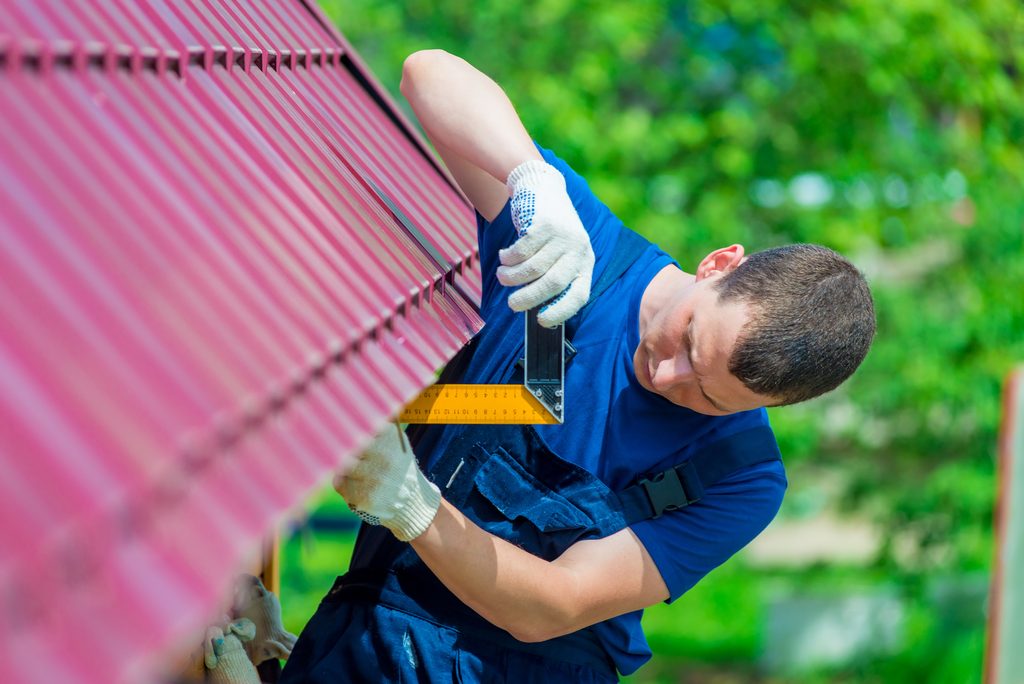
    Who Is The Best Person To Fix A Leaking Roof

    How to Identify the Source of Your Roof Leak

    Before calling a professional, it helps to understand what they will be looking for. This knowledge empowers you to communicate effectively with your contractor. Most leaks are not caused by holes in the middle of your shingles but by failures in the “flashings”—the metal strips used to seal transitions.

    Common entry points include:

    • Chimney Flashing: The seal around the chimney base often cracks due to thermal expansion.
    • Vent Pipes: Rubber boots around plumbing vents degrade under UV exposure.
    • Valleys: Where two roof planes meet, debris accumulation can force water under shingles.
    • Skylights: Improper installation or aged seals are frequent culprits.

    If you are safe to do so, inspect your attic during daylight hours. Look for beams of light shining through the roof deck or dark stains on the underside of the plywood. This information can save your roofer time and potentially reduce diagnostic fees.

    Step-by-Step: What to Do Before the Professional Arrives

    While waiting for the best person to fix a leaking roof, you must mitigate further damage. Follow these concrete steps to protect your interior:

    1. Contain the Water: Place a bucket or large bin directly under the drip. If the water is spraying, use a thumbtack to pierce the center of the bulging drywall bubble to release pressure and prevent ceiling collapse.
    2. Document the Damage: Take clear photos and videos of the leak, the water stain, and any damaged belongings. This is crucial for insurance claims.
    3. Temporary Exterior Patch (Safety First): Only if your roof is low-pitch and accessible safely, you can apply a heavy-duty tarp secured with 2x4s nailed into the roof deck (not just the shingles). Note: Do not use silicone caulk on wet surfaces; it will not adhere.
    4. Clear Debris: If safe, remove leaves or branches from gutters and valleys near the suspected leak area to improve drainage.

    For more detailed information on roofing materials and construction standards, you can refer to Wikipedia’s article on Roofing, which provides a comprehensive overview of global roofing practices and material types.

    Red Flags: How to Avoid Roofing Scams

    Unfortunately, the roofing industry is plagued by “storm chasers”—unscrupulous operators who descend on neighborhoods after severe weather. They often demand full payment upfront and perform subpar work.

    Watch out for these warning signs:

    • Door-to-Door Sales: Reputable roofers rarely solicit business door-to-door.
    • Cash-Only Deals: Always pay by check or credit card for traceability.
    • No Physical Address: Ensure the company has a local, verifiable office.
    • Pressure Tactics: Be wary of anyone claiming the offer is “valid only today.”

    Always verify their license number with your state’s licensing board. A legitimate professional will willingly provide this information.

    FAQ Section

    1. Can I fix a small roof leak myself?

    While you can apply temporary patches like roof cement or tarps, permanent repairs require identifying the root cause. DIY fixes often fail because they address the symptom (the hole) rather than the cause (failed flashing or ventilation issues). For anything beyond a single missing shingle on a low roof, hire a pro.

    2. How much does it cost to fix a leaking roof?

    Costs vary widely based on location and severity. Minor flashings repairs may range from $300 to $600, while extensive structural repairs can exceed $2,000. Always get at least three detailed quotes to ensure fair pricing.

    3. Does homeowners insurance cover roof leaks?

    It depends on the cause. Insurance typically covers “sudden and accidental” damage, such as wind storms or falling trees. However, they usually deny claims for leaks caused by lack of maintenance, wear and tear, or age. Review your policy carefully.

    4. How long does a roof repair take?

    Minor repairs often take half a day to one day. More complex issues involving decking replacement or extensive flashing work may take 2–3 days. Weather conditions can also impact the timeline, as roofs cannot be repaired effectively in rain.

    5. What questions should I ask a roofing contractor?

    Ask about their license number, insurance coverage, warranty details (both manufacturer and labor), and request references from recent jobs in your area. A trustworthy contractor will answer these transparently.

    Conclusion

    Determining who is the best person to fix a leaking roof is a decision that impacts the safety and value of your home. While the temptation to save money with a handyman or DIY approach is understandable, the complexity of modern roofing systems demands specialized expertise. A licensed, insured roofing contractor offers the diagnostic precision, proper tools, and warranty protection that other providers simply cannot match.

    Don’t wait for a small drip to become a catastrophic flood. Act quickly, document the damage, and call a reputable professional. By choosing the right expert, you ensure your home remains dry, safe, and secure for years to come.

    Found this guide helpful? Share it with your neighbors on social media to help them protect their homes too!

  • Will Homeowners Insurance Cover Water Damage From A Roof Leak?

    Will Homeowners Insurance Cover Water Damage From A Roof Leak?

    Imagine coming home after a long day to find a puddle forming on your living room floor. Your heart sinks as you trace the drip back to a stain on the ceiling. It is a stressful scenario that thousands of American homeowners face every year. The immediate question that follows is often financial: will homeowners insurance cover water damage from a roof leak? The answer is not a simple yes or no; it depends entirely on why the roof leaked in the first place.

    Understanding the nuances of your policy can save you thousands of dollars in out-of-pocket repairs. In this guide, we will break down the specific conditions under which insurers pay for leaks, when they deny claims, and the exact steps you need to take to protect your financial interests.

    Understanding the “Sudden and Accidental” Rule

    To determine if your claim will be approved, you must understand the core principle of most standard homeowners insurance policies: coverage for sudden and accidental damage.

    Insurance is designed to protect against unforeseen disasters, not maintenance issues. If a heavy storm rips shingles off your roof during a hurricane, causing rain to pour into your attic, this is typically considered a covered peril. The event was sudden, unexpected, and beyond your control.

    However, if your roof has been aging for 20 years and the shingles simply wore down over time, allowing water to seep in gradually, this is classified as wear and tear. Most policies explicitly exclude damage resulting from lack of maintenance or gradual deterioration.

    Key Distinction: Cause vs. Result

    It is crucial to differentiate between the cause of the leak and the resulting water damage.

    • The Cause: If the cause is excluded (e.g., old age), the insurer may deny the entire claim, including the cost to fix the roof.
    • The Result: Even if the roof repair itself is denied, some policies might still cover the resulting interior water damage (like ruined drywall or flooring) if you can prove you were unaware of the leak until it became severe. However, this is a gray area and varies by carrier.

    Common Scenarios: Covered vs. Not Covered

    Navigating insurance jargon can be confusing. To make it clearer, let’s look at specific scenarios using a comparison format. This helps clarify where the line is drawn between a covered loss and a maintenance responsibility.

    ScenarioLikely Coverage StatusReason
    Storm Damage✅ CoveredWind, hail, or falling trees cause immediate structural failure.
    Vandalism✅ CoveredSomeone intentionally damages your roof, leading to a leak.
    Weight of Ice/Snow✅ CoveredCollapse due to accumulated ice/snow is usually a named peril.
    Age/Wear and Tear❌ Not CoveredShingles deteriorated naturally over time.
    Lack of Maintenance❌ Not CoveredYou ignored missing shingles or clogged gutters for months.
    Mold Remediation⚠️ LimitedOften capped at $5,000–$10,000 or excluded entirely.

    As noted by industry experts, the burden of proof lies with the homeowner. You must demonstrate that the damage was not due to negligence. For more detailed definitions of property damage terms, you can refer to general insurance concepts on Wikipedia.

    How Deductibles and Depreciation Affect Your Payout

    Even if your claim is approved, the check you receive might be smaller than expected. Two major factors influence your final payout: the deductible and Actual Cash Value (ACV) versus Replacement Cost Value (RCV).

    The Deductible

    Your deductible is the amount you pay out-of-pocket before insurance kicks in. If your roof repair costs $3,000 and your deductible is $1,000, the insurer pays $2,000. If the repair only costs $800, you pay the full amount because it is below your deductible threshold.

    ACV vs. RCV

    • Actual Cash Value (ACV): This pays you the current value of your roof, accounting for depreciation. If your roof is 10 years old and has a 20-year lifespan, you might only get 50% of the replacement cost.
    • Replacement Cost Value (RCV): This pays the full cost to replace the roof with new materials of similar kind and quality, without deducting for depreciation. Most modern policies offer RCV, but you must confirm this with your agent.

    Pro Tip: Always check if your policy is ACV or RCV. An ACV policy can leave you with a significant financial gap when replacing an older roof.

    Will Homeowners Insurance Cover Water Damage From A Roof Leak

    Step-by-Step Guide: What to Do When You Discover a Leak

    If you discover water entering your home, acting quickly is essential. Delayed action can lead to mold growth and further structural damage, which insurers may view as negligence. Follow these concrete steps:

    1. Mitigate Immediate Damage: Place buckets under drips and move furniture away from wet areas. If safe, use a tarp to cover the exterior hole temporarily. Take photos of these temporary fixes.
    2. Document Everything: Before cleaning up, take high-resolution photos and videos of the water damage, the source of the leak (if visible), and any damaged personal property. Date-stamp these images.
    3. Contact a Professional Roofer: Hire a licensed roofing contractor to inspect the damage. Ask them for a written report detailing the cause of the leak. This professional opinion is vital for your insurance claim.
    4. Notify Your Insurance Company: Call your insurer immediately. Provide them with the initial details but avoid admitting fault or speculating on the cause. State clearly: “I have discovered water intrusion and suspect storm damage.”
    5. Keep Receipts: Save all receipts for emergency repairs, tarps, buckets, or hotel stays if your home is uninhabitable. These may be reimbursable under “Loss of Use” coverage.

    Frequently Asked Questions (FAQ)

    1. Does homeowners insurance cover mold caused by a roof leak?

    Most standard policies have limited coverage for mold. They may cover mold remediation if it is a direct result of a covered peril (like a sudden storm). However, if the mold resulted from long-term neglect or a slow leak, it is typically excluded. Many policies cap mold coverage at $5,000 to $10,000.

    2. Will my insurance rates go up after filing a roof leak claim?

    Yes, it is highly likely. Filing a claim signals to insurers that you are a higher risk. Depending on your state and carrier, your premium could increase by 10% to 20% for several years. For minor damages, consider paying out-of-pocket to avoid rate hikes.

    3. What if the leak started slowly but I didn’t notice it until now?

    This is tricky. Insurers often argue that a “slow leak” implies you should have noticed it earlier through regular maintenance. If you can prove you had no reasonable way of knowing (e.g., the leak was hidden behind finished walls), you might have a case. However, many insurers will deny these claims based on the “maintenance exclusion.”

    4. Is cosmetic damage to the roof covered?

    Generally, no. If a storm scuffs your shingles but does not compromise their ability to shed water, insurers may deem this cosmetic damage. They will only pay for repairs if the functionality of the roof is impaired.

    5. Can I choose my own contractor for repairs?

    Yes, you have the right to choose your own contractor. Insurance companies may recommend vendors from their network, but you are not obligated to use them. Ensure your chosen contractor is licensed and insured to avoid liability issues.

    Conclusion

    So, will homeowners insurance cover water damage from a roof leak? The answer hinges on the cause. Sudden, accidental damage from storms or vandalism is typically covered, while damage from age, wear, and tear is not. The key to a successful claim lies in prompt action, thorough documentation, and understanding your policy’s specific terms regarding depreciation and deductibles.

    Don’t wait for a disaster to review your policy. Take a moment today to check whether you have Replacement Cost Value coverage and understand your deductible. If you found this guide helpful, please share it on social media to help other homeowners navigate the complex world of insurance claims. Stay prepared, stay protected, and keep your home dry.