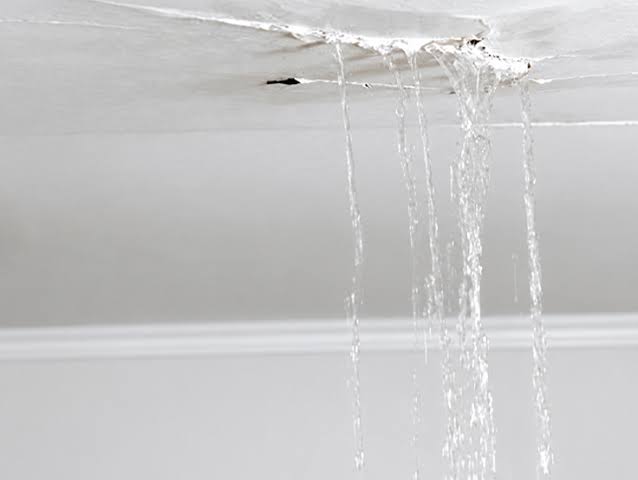
Discovering water dripping from your ceiling can induce immediate panic and stress for any homeowner. It raises urgent financial questions, specifically: if your roof is leaking is it covered by insurance? The answer is rarely a simple yes or no, as it depends heavily on the cause of the leak and your specific policy details.
Understanding the nuances of your homeowners insurance policy is crucial before you pick up the phone to call your agent. In this guide, we will break down exactly when insurance pays out, when it doesn’t, and how you can protect your home and your wallet.
Understanding the “Sudden and Accidental” Rule
To determine if your claim will be approved, you must first understand the core principle of most standard homeowners insurance policies in the United States: coverage is typically reserved for sudden and accidental damage.
Insurance is designed to protect against unforeseen disasters, not the natural wear and tear of aging materials. If a storm rips off shingles overnight, causing a leak, that is generally considered a covered peril. However, if your roof has been deteriorating for five years and finally gives way during a light rain, the insurer will likely view this as a maintenance issue.
What Counts as a Covered Peril?
Most HO-3 policies (the most common type of homeowners insurance) cover damage caused by specific events. These often include:
- Windstorms and Hail: High winds can lift shingles, breaking the seal and allowing water ingress.
- Falling Objects: Tree limbs or debris hitting the roof.
- Weight of Ice, Snow, or Sleet: Collapse due to heavy accumulation.
- Fire and Lightning: Direct damage from strikes or nearby fires.
- Vandalism: Intentional damage by third parties.
If the leak is a direct result of one of these events, you have a strong case for coverage. However, if the cause is ambiguous, the insurance adjuster will investigate thoroughly to rule out neglect.
When Insurance Will NOT Cover Your Roof Leak
It is equally important to know when your claim will be denied. Insurance companies are businesses, and they strictly exclude damages resulting from lack of maintenance or gradual deterioration.
Gradual Wear and Tear
This is the most common reason for denial. Roofs have a lifespan. Asphalt shingles typically last 15–20 years, while metal roofs can last 40–70 years. If your roof is near the end of its life and begins to leak, insurance considers this a predictable outcome of aging.
- Missing Granules: If shingles are balding, it’s age-related.
- Cracked Flashing: If metal flashing around chimneys has rusted through over time, it’s maintenance.
- Moss and Algae: Growth that lifts shingles and causes rot is considered a maintenance failure.
Negligence and Lack of Maintenance
If you knew about a minor issue—such as a missing shingle after a minor wind event two years ago—and failed to fix it, leading to significant interior water damage now, your claim may be denied. Insurers expect homeowners to perform regular upkeep.
Expert Insight: According to industry standards, insurers may request proof of maintenance records. Keeping receipts for annual inspections can be vital evidence in disputing a denial.
For more detailed definitions of property damage terms, you can refer to general insurance concepts on Wikipedia.
Actual Cash Value vs. Replacement Cost Value
Even if your claim is approved, the amount you receive depends on the type of coverage you purchased. This distinction is critical for your financial planning.
| Feature | Actual Cash Value (ACV) | Replacement Cost Value (RCV) |
|---|---|---|
| Definition | Pays the current value of the roof minus depreciation. | Pays the cost to replace the roof with new materials of like kind and quality. |
| Depreciation | Yes. Age and wear are deducted. | No. Full cost is covered (up to policy limits). |
| Payout Timing | Single payment based on assessed value. | Often two payments: initial ACV, then recoverable depreciation after repairs. |
| Premium Cost | Lower monthly premiums. | Higher monthly premiums. |
| Best For | Older roofs or budget-conscious owners. | Newer roofs or those wanting full restoration. |
If you have an ACV policy and your roof is 10 years old into a 20-year lifespan, you might only receive 50% of the replacement cost. This can leave you with a significant out-of-pocket expense even with an approved claim.
Step-by-Step: How to File a Roof Leak Claim
If you believe your leak is covered, follow these steps to maximize your chances of a smooth process.
- Mitigate Further Damage Immediately Insurance policies require you to prevent additional damage. Place buckets under leaks, move furniture, and use tarps if safe to do so. Keep receipts for any materials bought for emergency repairs.
- Document Everything Take high-resolution photos and videos of:
- The exterior damage (missing shingles, dents).
- The interior water damage (stains, wet drywall).
- The date and time stamps are crucial.
- Contact a Licensed Roofer Before calling insurance, get a professional inspection. A reputable roofer can identify the cause of the leak. Ask them for a written report stating whether the damage was sudden (storm-related) or gradual (wear-and-tear).
- Review Your Policy Check your deductible. If the repair cost is $1,500 and your deductible is $1,000, filing a claim might not be worth it, especially if it leads to higher premiums or non-renewal.
- File the Claim Call your insurer. Provide the date of loss, a description of what happened, and your documentation. Be honest and precise. Do not speculate; stick to the facts.
- Meet the Adjuster An insurance adjuster will visit your home. Have your roofer present if possible. They can point out technical details the adjuster might miss, ensuring the scope of work is accurate.
Frequently Asked Questions
1. Does homeowners insurance cover water damage from a roof leak?
Yes, but only if the leak was caused by a covered peril, such as a storm or falling object. If the leak resulted from long-term neglect, aging, or lack of maintenance, the water damage to your interior (ceilings, walls, floors) will also likely be excluded.
2. Will my insurance rates go up after a roof claim?
In many cases, yes. Filing a claim can lead to a premium increase at renewal. Additionally, multiple claims within a short period (usually 3–5 years) can make it difficult to find affordable coverage or even lead to policy non-renewal. Always weigh the repair cost against your deductible and potential rate hikes.
3. What if I don’t know when the leak started?
If the start date is unknown, insurers often default to assuming it is gradual damage, which is not covered. This is why regular roof inspections are vital. If you discover a leak, act immediately to establish a timeline.
4. Can I choose my own roofing contractor?
Yes, you have the right to choose your own contractor. However, the insurance company will only pay up to their estimated cost for the repairs. If your chosen contractor charges more, you will be responsible for the difference. It is advisable to get three quotes to ensure fairness.
5. Is cosmetic damage covered?
Generally, no. If hail hits your roof but does not compromise its integrity or waterproofing ability, insurers may deny the claim, labeling it as “cosmetic.” Some states have laws prohibiting insurers from denying claims solely based on cosmetic damage, so check your local regulations.
Conclusion
So, if your roof is leaking is it covered by insurance? The answer lies in the cause. Sudden, accidental damage from storms or falling objects is typically covered, while gradual wear, tear, and neglect are not.
To protect yourself, maintain your roof regularly, document its condition, and understand whether your policy offers Actual Cash Value or Replacement Cost Value. Being proactive not only saves your home but also ensures you are prepared should the unexpected happen.
If you found this guide helpful, please share it on social media to help other homeowners navigate the complexities of insurance claims. Stay dry and stay informed!