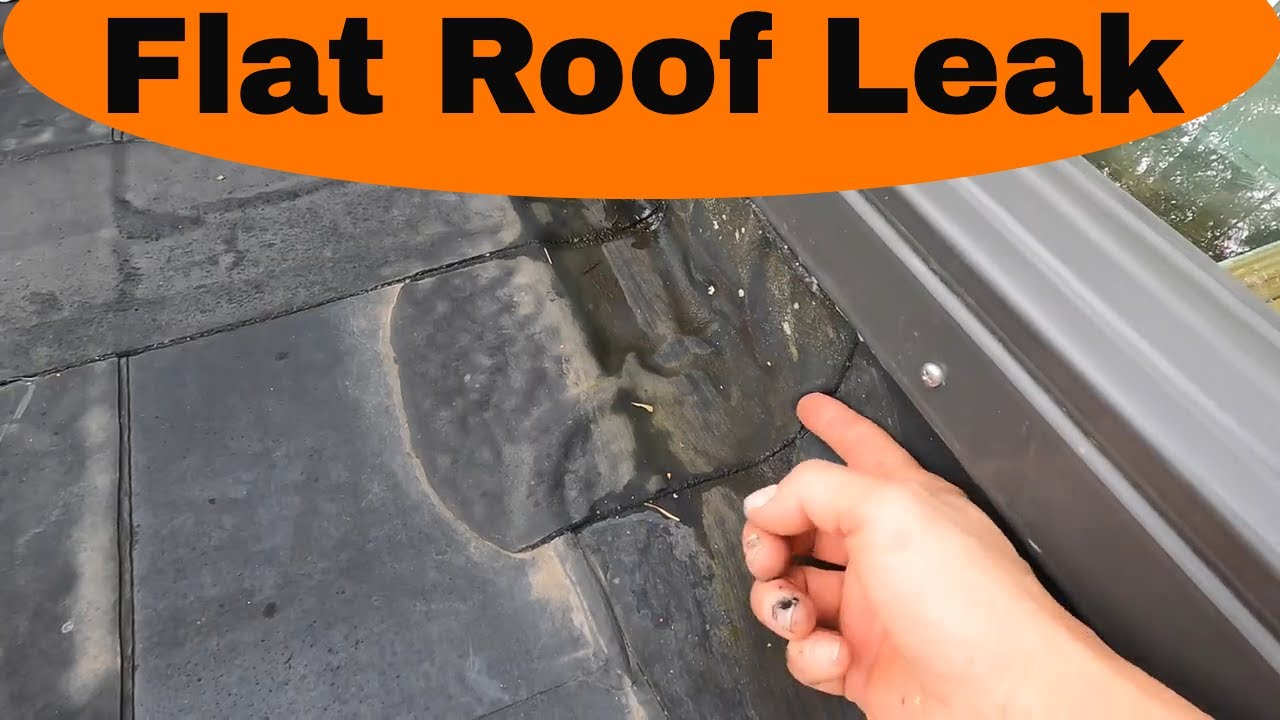
Leaking roofs are every homeowner’s nightmare, but flat roofs present unique challenges that sloped roofs simply don’t have. If you are staring at a puddle on your ceiling or noticing bubbling material on your rooftop, you are likely wondering what is the best way to repair a flat roof without breaking the bank or causing further damage. This guide provides clear, actionable steps to help you tackle common issues safely and effectively.
Understanding Your Flat Roof Material
Before you pick up a trowel or a roll of tape, you must identify what your roof is made of. Using the wrong repair method can void warranties or cause immediate failure. Most residential and commercial flat roofs in the US fall into three categories:
- EPDM (Rubber): A black, synthetic rubber membrane. It is durable and flexible.
- TPO (Thermoplastic Polyolefin): Usually white or light gray, known for reflecting heat.
- Built-Up Roofing (BUR) or Modified Bitumen: Layers of asphalt and fabric, often covered with gravel or a mineral surface.
According to industry standards, the longevity of these materials varies significantly. For detailed technical specifications on roofing membranes, you can refer to general construction resources like Wikipedia’s entry on Roofing. However, for practical repairs, knowing the material dictates the adhesive or patch kit you must buy.
What Is the Best Way to Repair a Flat Roof?
The “best” way depends entirely on the severity of the damage. However, for 80% of minor issues, the most effective method is cleaning the area thoroughly and applying a compatible self-adhering patch or liquid coating.
Quick fixes like silicone caulk often fail because they do not bond well with UV-exposed roofing materials over time. A proper repair requires mechanical adhesion or chemical welding, depending on the membrane type.
Step-by-Step: Repairing Small Punctures and Cracks
If you have a small hole (less than 6 inches) or a hairline crack, follow this precise protocol. This method works best for EPDM and TPO roofs.
- Clean the Area: Use a specialized roof cleaner or a mixture of mild dish soap and water. Scrub the area within a 6-inch radius of the damage. Crucial: The surface must be 100% dry. Moisture prevents adhesion.
- Round the Corners: If cutting a patch, round the corners. Sharp corners are prone to peeling under thermal expansion and contraction.
- Apply Primer (If Required): Some patches require a primer pen. Apply it evenly and let it tack up for 5–10 minutes.
- Install the Patch: Peel the backing off the self-adhering patch. Center it over the damage.
- Roll It Out: Use a J-roller or a heavy hand roller. Apply firm pressure from the center outward to remove air bubbles. Ensure there are no wrinkles.
Pro Tip: Always repair on a day when the temperature is between 50°F and 90°F (10°C–32°C). Extreme cold makes membranes brittle; extreme heat makes them too soft to handle properly.
How Do You Fix a Blister on a Flat Roof?
Blisters are bubbles trapped under the roofing membrane, caused by moisture turning into steam or poor initial installation. Ignoring them can lead to ruptures.
The Repair Process:
- Cut an X: Use a sharp utility knife to cut an “X” shape into the blister. Do not cut through the underlying deck.
- Dry It Out: Lift the flaps and allow the area to dry completely. You may use a heat gun on a low setting to accelerate drying, but be careful not to burn the membrane.
- Apply Adhesive: Inject roofing cement or compatible adhesive under the flaps.
- Press Down: Firmly press the flaps back into place.
- Patch Over: For added security, place a small patch over the “X” cut using the method described above.
Dealing with Ponding Water Issues
Ponding water is water that remains on the roof for more than 48 hours after rainfall. This is not just a cosmetic issue; the weight can stress the structure, and standing water accelerates membrane degradation.
Why It Happens:
- Structural sagging.
- Clogged drains or scuppers.
- Improper slope during installation.
The Fix: While re-sloping a roof is a major construction project, you can mitigate minor ponding by:
- Clearing Drains: Ensure all drains are free of leaves and debris.
- Installing Drainage Mats: These are porous layers placed under the membrane to channel water to drains.
- Using Tapered Insulation: In severe cases, adding tapered foam insulation boards can create a slight slope toward drains. This is usually a job for professionals.
Comparison: DIY Patch Kits vs. Professional Replacement
When deciding how to proceed, consider the scope of the damage. Here is a quick comparison to help you decide.
| Feature | DIY Patch/Coating | Professional Replacement |
|---|---|---|
| Cost | $50 – $300 | $5,000 – $15,000+ |
| Time | 2 – 4 hours | 3 – 7 days |
| Longevity | 2 – 5 years (if done correctly) | 15 – 30 years |
| Best For | Small holes, minor cracks, blisters | Large tears, widespread aging, structural issues |
| Skill Level | Beginner to Intermediate | Expert Required |
Note: If more than 25% of your roof is damaged, replacement is often more cost-effective than repeated repairs.
When Should You Call a Professional?
While DIY repairs are satisfying and economical, some situations demand expert intervention. You should call a licensed roofer if:
- The Leak Source is Unknown: Water travels. The drip inside your house may be 10 feet away from the actual roof breach. Professionals use moisture meters and infrared cameras to locate hidden leaks.
- Structural Damage: If the roof deck feels soft or spongy when you walk on it, the wood beneath is rotting. This requires deck replacement, not just membrane repair.
- Warranty Concerns: Many flat roof manufacturers void warranties if unauthorized repairs are performed. Check your warranty terms before applying any aftermarket products.
- Large Scale Damage: If you have multiple large blisters or tears spanning several feet, a patch job will likely fail quickly.
Frequently Asked Questions (FAQ)
1. Can I use regular tar to repair my flat roof?
No. Regular asphalt tar is not compatible with modern single-ply membranes like EPDM or TPO. It can cause chemical reactions that degrade the membrane further. Always use manufacturer-approved adhesives or coatings.
2. How long does a flat roof repair last?
A properly executed DIY patch can last 3 to 5 years. Professional repairs using heat-welded seams or high-grade coatings can last 10 years or more, depending on weather conditions and maintenance.
3. What is the best sealant for a flat roof?
For EPDM roofs, use EPDM-specific splice adhesive or seam tape. For TPO, use TPO-compatible weldable patches. For general maintenance, acrylic or silicone-based roof coatings are popular, but ensure they are compatible with your specific membrane type.
4. Why is my flat roof leaking after rain?
Flat roofs leak due to punctures, failed seams, blistering, or clogged drains. Because water does not run off quickly, even a tiny pinhole can allow significant water ingress over time. Regular inspection of seams and drains is critical.
5. Is it safe to walk on a flat roof?
Generally, yes, but with caution. Avoid walking on the roof in extreme heat (it can become slippery) or when wet. Always wear soft-soled shoes to avoid puncturing the membrane. If the roof is old or shows signs of sagging, do not walk on it.
Conclusion
Knowing what is the best way to repair a flat roof empowers you to maintain your home’s integrity and avoid costly emergency replacements. For minor issues, a clean, dry surface and a compatible patch kit are your best friends. For structural issues or widespread damage, professional assessment is non-negotiable.
Regular maintenance—clearing drains, inspecting seams, and addressing small punctures immediately—can extend the life of your flat roof by decades. Don’t wait for a major leak to take action.
Found this guide helpful? Share it with your neighbors or on social media to help others protect their homes from water damage!