Tag: Roof Inspection Guide

  • How Old Should A Roof Be When Buying A House?

    How Old Should A Roof Be When Buying A House?

    Buying a home is one of the most significant financial decisions you will ever make, and few components cause more anxiety than the condition of the roof. It is the primary shield protecting your investment from the elements, yet its lifespan is often unclear to first-time buyers. If you are wondering how old should a roof be when buying a house, you are asking the right question to avoid unexpected repair bills.

    A roof that is too old can lead to immediate leaks and insurance issues, while a brand-new roof might mean you paid a premium price for it. Understanding the sweet spot for roof age helps you negotiate better and plan for the future. In this guide, we will break down everything you need to know about roof ages, materials, and what to look for during your home search.

    What Is the Ideal Roof Age for Home Buyers?

    When evaluating a property, there is no single “perfect” number, but there is a generally accepted safe zone. Most real estate experts and home inspectors agree that a roof between 5 and 10 years old is ideal.

    Why this range?

    • Proven Durability: The roof has survived several seasons, proving it was installed correctly.
    • Remaining Lifespan: It likely has 15–20+ years of life left, depending on the material.
    • Warranty Coverage: Many manufacturer warranties are still active, offering peace of mind.

    However, context matters. A 15-year-old roof made of high-quality slate or metal may be in better condition than a 7-year-old asphalt shingle roof in a harsh climate. Therefore, age alone is not the only metric; condition is king.

    The Danger Zone: Roofs Over 20 Years Old

    If you are looking at a home with an asphalt shingle roof that is over 20 years old, proceed with caution. Even if it looks fine from the street, it is likely near the end of its functional life.

    • Insurance Issues: Many insurance companies in the US will refuse to cover homes with roofs older than 20–25 years unless they pass a rigorous 4-point inspection.
    • Hidden Damage: Older roofs are prone to brittle shingles, failing underlayment, and rotting decking that isn’t visible from the ground.
    • Negotiation Leverage: This is your biggest opportunity. You can ask for a roof replacement credit or demand the seller replace it before closing.

    How Does Roof Material Affect Lifespan?

    To answer “how old should a roof be,” you must first identify what it is made of. Different materials have vastly different lifespans. Here is a breakdown of common roofing materials found in the US housing market.

    MaterialAverage LifespanBest ForMaintenance Level
    Asphalt Shingles15–30 yearsMost suburban homesLow to Moderate
    Metal Roofing40–70 yearsModern & rural homesLow
    Clay/Concrete Tile50–100 yearsSouthwest/Southern stylesLow (but heavy)
    Wood Shakes20–40 yearsRustic/Cottage stylesHigh
    Slate75–100+ yearsHistoric/Luxury homesLow

    Source: Data aggregated from industry standards and the National Association of Home Builders.

    Asphalt Shingles: The Most Common Scenario

    Since over 80% of homes in the US use asphalt shingles, this is likely what you will encounter.

    • 3-Tab Shingles: These are the budget option. They typically last 15–20 years. If a house has these and they are 12 years old, start budgeting for a replacement soon.
    • Architectural Shingles: These are thicker and more durable, lasting 25–30 years. A 15-year-old architectural roof is often still in good shape.

    Metal and Tile: The Long-Term Investments

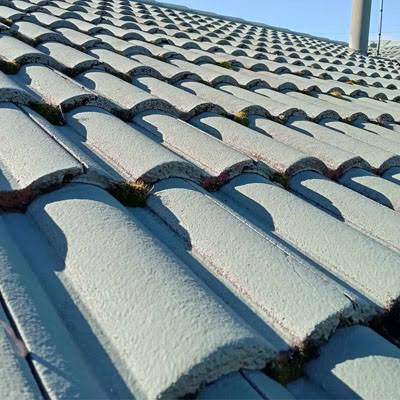
    If you find a home with a metal or tile roof, the age is less critical. A 20-year-old metal roof may have another 30 years of life left. However, ensure that the flashings (the metal pieces around chimneys and vents) are intact, as these often fail before the roof panels do.
    How Old Should A Roof Be When Buying A House

    Key Signs of Roof Aging to Look For

    You don’t need to be a contractor to spot a tired roof. During your walkthrough, keep an eye out for these red flags. If you see them, the roof’s age is less important than its immediate need for repair.

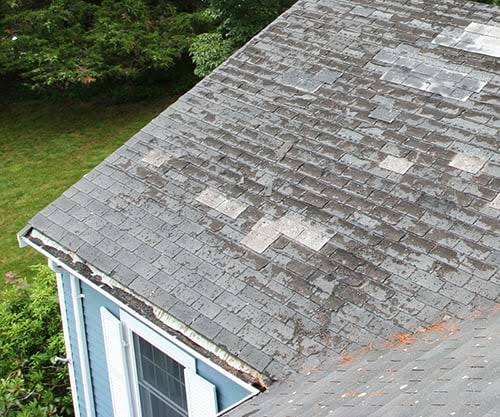
    1. Curling or Cupping Shingles: If the edges of the shingles are turning upward or downward, they are brittle and losing their waterproofing ability.
    2. Missing Granules: Check the gutters. If they are filled with sand-like granules, the shingles are wearing out. Bald spots on the roof are a bad sign.
    3. Moss and Algae: While moss can be cleaned, heavy growth indicates moisture retention, which can rot the underlying wood structure.
    4. Sagging Roof Deck: This is a critical structural issue. If the roofline looks wavy or sags, walk away or demand a structural engineer’s inspection immediately.
    5. Daylight Through the Attic: Go into the attic on a sunny day. If you see pins of light coming through the roof boards, there are gaps that need sealing.

    Step-by-Step: How to Verify Roof Age During Buying Process

    Do not rely solely on the seller’s disclosure. Sellers may not know the exact age, or they may unintentionally misremember. Follow these steps to get the truth.

    Step 1: Ask for Documentation

    Request any receipts, warranties, or permits related to the roof installation. A permit date from the local county records is the most accurate way to determine age.

    Step 2: Hire a Specialized Roof Inspector

    A general home inspector is great, but they often walk the perimeter rather than climbing on the roof. For a home with a roof older than 10 years, hire a licensed roofing contractor for a separate inspection. They can walk the surface and check for soft spots.

    Step 3: Check the Ventilation

    Poor attic ventilation cooks shingles from the inside out, reducing their lifespan by half. Ensure the attic has proper soffit and ridge vents. If the attic is hot and stuffy in summer, the roof may have aged prematurely.

    Step 4: Review Insurance Claims

    Ask the seller for a CLUE report (Comprehensive Loss Underwriting Exchange). This shows if there have been previous insurance claims for wind or hail damage, which might indicate hidden weaknesses even if the roof was repaired.

    Negotiating Based on Roof Age

    Knowing how old the roof is gives you power at the negotiating table. Here is how to handle different scenarios:

    • Roof is 0–5 Years Old: Use this as a selling point. You can justify offering closer to the asking price because you won’t have major capital expenditures soon.
    • Roof is 10–15 Years Old: Request a home warranty that covers roof leaks for the first year. This protects you while you save for eventual replacement.
    • Roof is 20+ Years Old: Do not accept “it hasn’t leaked yet” as an answer. Request a roof replacement allowance. Get three quotes from local contractors and ask the seller to credit that amount at closing. This allows you to choose your own materials and contractor.

    FAQ Section

    1. Can I get homeowners insurance with an old roof?

    It depends on the age and condition. Most insurers require roofs to be less than 20 years old. If the roof is older, you may need a specialized policy or pay a higher premium. Some companies require a 4-point inspection to prove the roof has no active leaks.

    2. Does a new roof increase home value?

    Yes, but not dollar-for-dollar. According to Remodeling Magazine’s Cost vs. Value Report, a new roof typically recoups about 60–70% of its cost in home value. However, its real value lies in marketability. Homes with old roofs sit on the market longer and scare away buyers who fear immediate repairs.

    3. Should I replace the roof before selling my house?

    Generally, no. It is better to price the home accordingly and let the buyer choose their own materials. However, if the roof is actively leaking or failing inspection, you may need to replace it to secure financing for the buyer, as most lenders require a sound roof.

    4. How can I tell the age of a roof without records?

    Look for manufacturer stamps on the back of shingles (visible in the attic), check for building permits in county records, or look at the style of the shingles. Certain colors and textures were popular in specific decades. A professional roofer can also estimate age based on wear patterns.

    5. Is a 10-year-old roof considered old?

    No, a 10-year-old roof is considered middle-aged. For asphalt shingles, it is roughly halfway through its life. It should still have plenty of life left, provided it was installed correctly and has adequate ventilation.

    6. What is the best time of year to buy a house with a new roof?

    There is no specific season, but buying in late fall or winter might allow you to inspect the roof after heavy rains or snow. If the roof survives a harsh winter without leaking, it is a good sign of quality installation.

    Conclusion

    So, how old should a roof be when buying a house? Ideally, you want a roof that is under 10 years old to maximize your return on investment and minimize immediate maintenance. However, a well-maintained 15-year-old roof can still be a solid choice if priced correctly.

    Never skip the professional inspection. The cost of a roof specialist ($150–$300) is tiny compared to the $10,000+ cost of an unexpected replacement. Use the age of the roof as a lever in your negotiations, ensuring you get a fair deal whether the roof is brand new or nearing retirement.

    Found this guide helpful? Share it with your friends who are house hunting on Facebook or Twitter to help them make smarter buying decisions!
  • When Was My Roof Replaced? 5 Easy Ways to Check

    When Was My Roof Replaced? 5 Easy Ways to Check

    Buying a home is one of the most significant investments you will ever make. However, once the excitement settles, practical questions often arise, especially regarding major structural components like the roofing system. Many homeowners find themselves asking, “How do I find out when my roof was replaced?” because this information is crucial for insurance, maintenance planning, and future resale value.

    If you are feeling unsure or overwhelmed by the lack of documentation, don’t worry. You are not alone. In this guide, we will walk you through simple, effective steps to uncover your roof’s history without needing a degree in construction.

    Why Knowing Your Roof’s Age Matters

    Before we dive into the how, let’s briefly address the why. Understanding the age of your roof is not just about satisfying curiosity; it is a critical piece of financial and safety data.

    • Insurance Premiums: Many insurers offer discounts for newer roofs or may deny coverage for roofs older than 20–25 years.
    • Maintenance Planning: Asphalt shingles typically last 15–20 years. Knowing the installation date helps you budget for repairs or replacement before leaks occur.
    • Resale Value: A recent roof replacement can significantly boost your home’s market value and appeal to buyers.

    Now, let’s explore the five most reliable methods to determine when your roof was installed.

    1. Check Your Local Building Permit Records

    One of the most accurate ways to determine when a roof was replaced is by searching for building permits. In most jurisdictions in the United States, replacing a roof requires a permit to ensure the work meets local building codes and safety standards.

    How to Search for Permits

    1. Visit Your County or City Website: Most municipalities have an online database for public records. Look for sections labeled “Building Department,” “Permit Search,” or “Property Records.”
    2. Enter Your Address: Use your exact street address to filter results.
    3. Filter by Date or Type: Look for permits issued under categories like “Roofing,” “Re-roofing,” or “Structural Repair.”

    If you find a permit, it will usually list the issue date, the contractor’s name, and the scope of work. This date is a strong indicator of when the work was completed. If you cannot find records online, consider visiting your local building department in person or calling them. They often have archived records that are not digitized.

    Pro Tip: If you bought the house recently, check the closing documents provided by your title company. They often include a summary of permitted improvements made during the previous owner’s tenure.

    2. Review Your Home Inspection Report

    If you purchased your home within the last few years, your pre-purchase home inspection report is a goldmine of information. Professional home inspectors are trained to estimate the age of roofing materials based on wear patterns, granule loss, and manufacturer markings.

    What to Look For in the Report

    • Estimated Remaining Life: Inspectors often phrase this as “The roof has approximately 5–7 years of useful life remaining.”
    • Installation Date Estimates: Some inspectors note if the roof appears to be “new,” “mid-life,” or “near end-of-life.”
    • Photos: Compare current photos of your roof with those in the report. Significant changes in appearance can help narrow down the timeline.

    If you no longer have a copy of the report, contact the inspection company. They typically retain records for several years and may provide you with a digital copy for a small fee or even for free.

    3. Contact Previous Owners or Real Estate Agents

    Sometimes, the simplest solution is the most effective. Reaching out to the previous owners or the real estate agent who handled the sale can provide direct answers.

    Steps to Take

    1. Ask Your Real Estate Agent: They may have kept notes from the listing description or conversations with the seller.
    2. Contact Previous Owners: If you have their contact information, send a polite email or message. Most people are happy to share maintenance records, especially if they kept receipts for tax or warranty purposes.
    3. Check Seller Disclosure Forms: In many states, sellers are legally required to disclose known issues and major improvements. Review the disclosure statement you signed during the purchase process.

    While this method relies on memory and honesty, it can often lead you to physical documents like invoices or warranty certificates that confirm the exact date.

    4. Inspect the Roof for Manufacturer Dates

    If paper trails are missing, your roof itself holds clues. Manufacturers often embed date codes into shingles, vents, or flashing. While this requires a bit of detective work, it can be highly accurate.

    Where to Look

    • Shingle Bundles: If any leftover bundles were stored in the garage or shed, check the packaging. The manufacturing date is usually printed on the wrapper.
    • Vent Pipes and Flashing: Look at the metal flashing around chimneys and vent pipes. Sometimes, installers write the date with a marker on the underside of the flashing or on the plywood decking visible from the attic.
    • Attic Inspection: Carefully enter your attic (with proper safety gear) and look up at the underside of the roof deck. Contractors sometimes stamp or write the installation date on the wood sheathing.

    Safety Warning: Never climb onto your roof unless you are trained and equipped with proper fall protection. If you are uncomfortable doing this, hire a professional roofer for a minor inspection.

    5. Hire a Professional Roofer for an Assessment

    When all else fails, a professional opinion is your best bet. Licensed roofing contractors have extensive experience identifying different types of roofing materials and estimating their age based on visual cues.

    What a Professional Looks For

    • Granule Loss: Excessive granules in gutters indicate aging asphalt shingles.
    • Curling or Cracking: These are signs of weathering that correlate with age.
    • Moss and Algae Growth: While dependent on climate, heavy growth can suggest an older roof.

    Many roofing companies offer free or low-cost inspections. During the visit, ask specifically: “Based on your experience, when do you estimate this roof was installed?” They can often give you a range (e.g., “This looks like a 2018–2019 install”) which is sufficient for most insurance and maintenance purposes.

    For more detailed information on roofing materials and their typical lifespans, you can refer to this Wikipedia article on roofing.

    How Do I Find Out When My Roof Was Replaced

    Comparison: Methods to Find Roof Replacement Date

    MethodAccuracyCostEffort LevelBest For
    Building PermitsHighFreeMediumOfficial verification
    Home Inspection ReportMedium-HighFree (if owned)LowRecent homebuyers
    Previous Owner/AgentVariableFreeLowQuick answers
    Physical InspectionMediumFreeHighDIY enthusiasts
    Professional RooferHigh$0–$150LowAccurate estimates

    Frequently Asked Questions (FAQ)

    Q: Can I tell the exact year my roof was replaced just by looking at it?

    A: Not exactly. While you can estimate the age based on wear and tear, determining the exact year usually requires documentation like permits or invoices. Visual inspections provide a range rather than a specific date.

    Q: Do I need a permit for every roof replacement?

    A: In most US jurisdictions, yes. Full roof replacements typically require a permit to ensure compliance with local building codes. However, minor repairs might not. Always check with your local building department.

    Q: How long does a typical asphalt shingle roof last?

    A: Standard 3-tab asphalt shingles last about 15–20 years, while architectural or premium shingles can last 25–30 years. Climate, ventilation, and maintenance play significant roles in longevity.

    Q: Will knowing the roof age help lower my insurance premiums?

    A: Yes. Many insurance companies offer discounts for roofs that are less than 10 years old. Conversely, older roofs may result in higher premiums or require a specialized inspection before coverage is granted.

    Q: What if there are no records and the previous owner doesn’t know?

    A: In this case, hiring a professional roofer for an assessment is your best option. They can provide a written estimate of the roof’s age, which is often accepted by insurance companies and potential buyers.

    Conclusion

    Finding out when your roof was replaced doesn’t have to be a stressful mystery. By starting with building permits and home inspection reports, you can often find concrete evidence. If those avenues are dry, reaching out to previous owners or conducting a physical inspection can yield valuable clues. Finally, a professional assessment provides peace of mind and expert validation.

    Knowing your roof’s age empowers you to maintain your home proactively, save on insurance, and protect your investment. Don’t wait for a leak to start asking questions. Take action today to uncover your roof’s history.

    Found this guide helpful? Share it with your friends on social media who might be navigating homeownership for the first time!

  • How Old Is My Roof? 5 Ways to Tell

    How Old Is My Roof? 5 Ways to Tell

    Determining the lifespan of your home’s most critical protective layer is often a source of anxiety for homeowners, especially when buying a new property or noticing minor leaks. If you are asking yourself, “How Can I Find Out How Old My Roof Is,” you are not alone; this is one of the most common questions in home maintenance. Understanding your roof’s age helps you budget for repairs, negotiate real estate deals, and prevent catastrophic water damage.

    In this guide, we will walk you through practical, step-by-step methods to uncover the truth about your roof’s history without needing a degree in construction.

    Why Knowing Your Roof’s Age Matters

    Before we dive into the how, let’s briefly address the why. A roof is not just shingles and nails; it is a complex system with a finite lifespan. Most asphalt shingle roofs last between 15 to 25 years, while metal or tile roofs can last 50 years or more.

    Knowing the exact age allows you to:

    • Plan Financially: Avoid surprise $10,000 bills by saving gradually for replacement.
    • Ensure Safety: Older roofs are more prone to structural failure during severe weather.
    • Maintain Insurance Coverage: Some insurers deny claims or increase premiums for roofs older than 20 years.

    Method 1: Check Your Home Inspection and Closing Documents

    The most accurate way to determine your roof’s age is to look at the paperwork. If you bought your home within the last few decades, the answer is likely sitting in your filing cabinet.

    Review the Seller’s Disclosure

    In many US states, sellers are legally required to disclose known defects and the age of major systems, including the roof. Look for a section labeled “Roof” or “Structural Components.” It may state the installation year or the remaining useful life.

    Analyze the Home Inspection Report

    If you had a professional home inspection when you purchased the property, the inspector likely estimated the roof’s age. While not always precise to the month, inspectors often provide a range (e.g., “Installed approx. 2010–2012”).

    Pro Tip: If you cannot find your physical copies, contact the title company or the real estate agent who handled your purchase. They often keep digital archives of transaction documents for several years.

    Method 2: Look for Permits and Building Records

    If you built your home or know that a previous owner replaced the roof, local government records are a goldmine of information. Roof replacements typically require building permits to ensure compliance with local codes.

    How to Access Public Records

    1. Visit your county or city’s official website.
    2. Navigate to the “Building Department” or “Permit Search” section.
    3. Enter your property address.
    4. Filter results by “Roofing” or “Construction.”

    You will often find the date the permit was issued and the date it was finalized. This provides a concrete timeline. For more context on how building codes evolve over time, you can refer to general historical data on Wikipedia, which explains why permitting standards have become stricter in recent decades.

    Method 3: Inspect Physical Clues on the Roof

    If paperwork is missing, your roof itself holds secrets. You don’t need to climb up there (and please don’t, for safety reasons); you can often spot clues from the ground using binoculars.

    Check for Manufacturer Date Codes

    Many shingle manufacturers stamp production dates or batch codes on the packaging or even on the shingles themselves. However, these are usually hidden under overlapping layers. Instead, look for:

    • Ventilation Stickers: Sometimes, roofers leave a sticker on the attic side of the roof deck or near vents indicating the installation date.
    • Flashing Condition: Newer flashing (metal strips around chimneys and vents) looks shiny and clean. Older flashing appears oxidized, dull, or corroded.

    Observe Shingle Granule Loss

    Asphalt shingles are coated with granules that protect them from UV rays. As a roof ages, these granules wash away.

    • Check Your Gutters: If your gutters are filled with sand-like grit, your roof is shedding granules, indicating significant aging.
    • Look for Bald Spots: From the ground, look for areas where the black asphalt base is visible. This suggests the shingles are near the end of their life.

    Method 4: Ask the Neighbors (The Community Approach)

    This might sound unconventional, but it is highly effective, especially if you live in a subdivision or housing development built around the same time.

    Homes in the same neighborhood often experience similar wear and tear. If your neighbor replaced their roof three years ago because theirs was 20 years old, and your homes were built simultaneously, your roof is likely the same age.

    Questions to ask neighbors:

    • “When did you have your roof replaced?”
    • “Did you use a specific local contractor?” (They might have records of working on your street).
    • “Have you noticed any issues with wind damage recently?”

    Method 5: Hire a Professional Roof Inspector

    When in doubt, call an expert. A licensed roofing contractor can provide a definitive assessment. Unlike a general home inspector, a roofer specializes in identifying subtle signs of aging that untrained eyes miss.

    What a Professional Looks For

    • Nail Pops: Nails backing out of the deck indicate wood expansion/contraction cycles over many years.
    • Moss and Algae Growth: While cosmetic, heavy growth can trap moisture and accelerate decay, often correlating with older installations.
    • Sagging Decking: A sign of structural fatigue, common in roofs nearing 30+ years.

    Most reputable companies offer free or low-cost inspections. They will provide a written report detailing the estimated remaining lifespan.

    How Can I Find Out How Old My Roof Is

    Comparison: DIY vs. Professional Assessment

    FeatureDIY InspectionProfessional Inspection
    CostFree$150–$300 (often waived if you hire them)
    AccuracyModerate (Estimates)High (Expert Analysis)
    Safety RiskLow (if using binoculars)None (They handle the risk)
    Detail LevelSurface observations onlyIncludes attic, decking, and ventilation
    Best ForInitial curiosityReal estate transactions or insurance claims

    Common Signs Your Roof Is Older Than You Think

    Even if you suspect your roof is young, watch out for these red flags that suggest advanced aging:

    1. Curling or Cupping Shingles: The edges turn upward or downward, breaking the seal.
    2. Cracked Shingles: Brittle shingles crack easily under foot traffic or thermal stress.
    3. Daylight Through the Attic: If you can see sunlight coming through the roof boards from inside your attic, you have gaps that have widened over time.
    4. Multiple Layers: If you discover there are two or more layers of shingles, the underlying layer could be decades old, even if the top layer looks newer.

    FAQ Section

    Q: Can I tell the exact year my roof was installed just by looking at it?

    A: Rarely. While you can estimate the condition and approximate age range (e.g., “5–10 years old”), pinpointing the exact year usually requires documentation or manufacturer batch codes that are not visible from the exterior.

    Q: Does the color of the shingles affect how fast they age?

    A: Yes. Darker shingles absorb more heat, which can accelerate the breakdown of asphalt binders over time compared to lighter-colored shingles. This thermal cycling can shorten the lifespan by a few years in hot climates.

    Q: My roof is 15 years old but looks fine. Do I need to replace it?

    A: Not necessarily. If there are no leaks, missing shingles, or granule loss, it may have several years left. However, you should increase the frequency of inspections to once a year rather than every few years.

    Q: Will a new roof increase my home’s value?

    A: Absolutely. According to real estate experts, a new roof can offer a high return on investment (ROI) because it removes a major contingency for buyers. It signals that the home is well-maintained and reduces immediate future costs for the buyer.

    Q: How often should I check my roof’s age or condition?

    A: You should perform a visual check twice a year (spring and fall) and after any major storm. A professional inspection is recommended every 3–5 years, or annually if the roof is over 15 years old.

    Conclusion

    Finding out “How Can I Find Out How Old My Roof Is“ doesn’t have to be a mystery. By combining document research, neighborhood insights, and visual inspections, you can get a reliable estimate of your roof’s age. Remember, while DIY methods are great for initial assessments, a professional opinion is invaluable for making big financial decisions.

    Don’t wait for a leak to tell you it’s time for a change. Proactive maintenance saves money and peace of mind.

    Found this guide helpful? Share it with your friends on Facebook or Twitter to help other homeowners protect their investments!