Tag: Roof Age Verification

  • How to Find Out When Your Roof Was Last Replaced

    How to Find Out When Your Roof Was Last Replaced

    Buying a home is one of the most significant financial decisions you will ever make. Among all the structural components, the roof is arguably the most critical yet often the most mysterious. If you didn’t install it yourself, you might be left guessing its condition and lifespan. Knowing how to find out when your roof was last replaced is essential for budgeting future repairs, negotiating home prices, or simply ensuring your family’s safety.

    In this guide, we will walk you through practical, step-by-step methods to uncover the true age of your roof. Whether you are a new homeowner, a prospective buyer, or just planning ahead, these strategies will give you the clarity you need.

    Check Your Home Closing Documents and Disclosure Forms

    The first place you should look is right in your own files. If you purchased your home within the last few years, the answer might already be in your possession.

    During the real estate transaction process, sellers are typically required to provide a Seller’s Disclosure Statement. This legal document outlines known issues with the property, including the age and condition of major systems like HVAC, plumbing, and roofing.

    • Look for specific dates: Scan for sections labeled “Roof,” “Structural,” or “Improvements.”
    • Review inspection reports: The home inspection report from your purchase likely contains an estimate of the roof’s remaining life. While not an exact installation date, it often notes if the roof is “new,” “mid-life,” or “near end-of-life.”
    • Check warranty transfers: If the previous owner transferred a manufacturer’s warranty, the documentation will clearly state the installation date.

    If you cannot find these papers, contact your real estate agent. They are obligated to keep transaction records for several years and may be able to retrieve the disclosure forms for you.

    Contact Your Local Building Department for Permits

    One of the most reliable ways to determine your roof’s age is by checking public records. In most jurisdictions in the United States, replacing a roof requires a building permit. This ensures the work meets local code standards for wind resistance, fire safety, and structural integrity.

    Here is how to navigate this process:

    1. Identify your jurisdiction: Determine whether your city or county handles building permits. This information is usually available on your local government’s website.
    2. Search the online database: Many municipalities have searchable online permit portals. Enter your address to see a history of permitted work.
    3. Visit in person or call: If online records are incomplete, visit the building department. Bring your property deed or tax ID number to help the clerk locate your file.

    When you find the permit, look for the “Final Inspection” date. This is more accurate than the application date, as it confirms when the work was actually completed and approved. Note that minor repairs might not require permits, but a full replacement almost always does.

    For more context on why building codes matter for structural safety, you can refer to general information on building codes at Wikipedia.org.

    Review Your Homeowners Insurance Claims History

    Your insurance company keeps detailed records of your property’s history, including any claims filed for storm damage or leaks. These records can provide crucial clues about when your roof was last serviced or replaced.

    Contact your current insurance provider and request a CLUE Report (Comprehensive Loss Underwriting Exchange) or simply ask for your personal claims history.

    • Full Replacement Claim: If you see a large claim payout categorized as “Roof Replacement” with a specific date, you have your answer.
    • Repair Claims: If you only see small repair claims, the roof may be older. However, be cautious; a roof with multiple repairs might be nearing the end of its life even if it hasn’t been fully replaced.
    • Policy Notes: Sometimes, agents add notes to your policy after an inspection. Look for comments like “Roof installed in 2018” or “Roof condition: Good.”

    Keep in mind that if you bought the house recently, the previous owner’s claims history might not automatically transfer to your policy unless specifically requested during the sale.

    How To Find Out When Your Roof Was Last Replaced

    Inspect Physical Clues on the Roof Itself

    If paperwork trails go cold, your roof itself holds evidence. While this method requires a bit of detective work, it can be surprisingly accurate. You don’t necessarily need to climb onto the roof; many clues are visible from the ground or a ladder.

    Look for Date Stamps on Shingles

    Many manufacturers print the production date directly on the back of asphalt shingles. To check this:

    • Use a sturdy ladder to safely reach the edge of the roof.
    • Lift a shingle tab carefully.
    • Look for a series of numbers or a clock-like symbol. For example, a code like “22-15” might mean the 15th week of 2022.

    Check Vent Pipes and Flashing

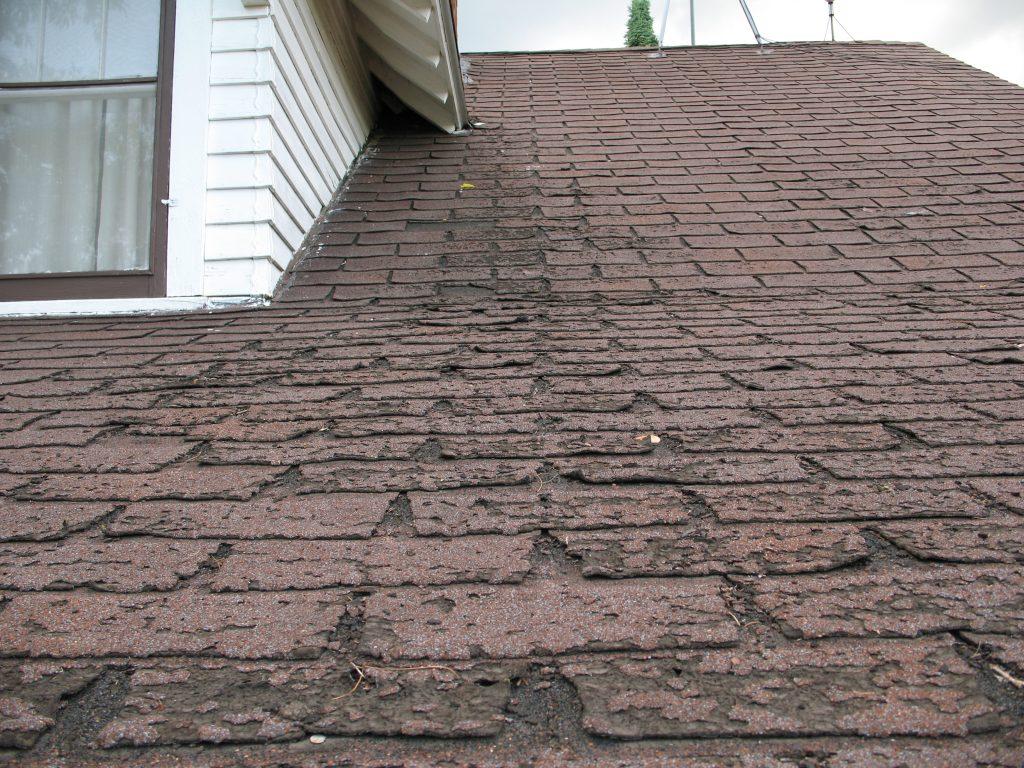
    New roofs often come with new flashing (the metal strips around chimneys and vents). If the flashing looks shiny and new while the shingles look weathered, it might indicate a partial repair rather than a full replacement. Conversely, if everything looks uniformly aged, it suggests a single installation event.

    Observe Moss and Algae Growth

    While not a definitive timer, heavy moss growth can indicate an older roof that has retained moisture over many years. Newer roofs typically have algae-resistant granules that keep them looking cleaner for longer.

    Ask Previous Owners or Neighbors

    Never underestimate the power of human memory. If you are still in touch with the previous owners, a simple phone call can save you hours of research. They might remember the name of the contractor, the year of installation, or even have photos of the construction process.

    If the previous owners are unreachable, talk to your neighbors. In suburban developments, roofs are often replaced in waves due to community-wide storm events or HOA (Homeowners Association) initiatives.

    • Ask specific questions: Instead of “How old is my roof?” try, “Do you remember when the crew was working on my house a few years ago?”
    • Check HOA records: If you live in a managed community, the HOA may have archives of approved exterior changes.

    Hire a Professional Roof Inspector

    If you need absolute certainty—for example, before buying a home or filing an insurance claim—hire a licensed roof inspector. Unlike a general home inspector, a roofing specialist focuses solely on the roof’s condition and age.

    A professional inspection typically costs between $150 and $350. During the inspection, the expert will:

    • Assess the granule loss on shingles.
    • Check the flexibility of the roofing material (older shingles become brittle).
    • Examine the underlayment and decking for signs of water damage.
    • Provide a written report estimating the remaining useful life of the roof.

    This option provides the highest level of E-E-A-T (Experience, Expertise, Authoritativeness, and Trustworthiness) because it relies on certified professional judgment rather than indirect evidence.

    Analyze Material Lifespan Estimates

    Different roofing materials have different lifespans. Knowing what material you have can help you narrow down the window of installation based on its current condition.

    Material TypeAverage LifespanVisual Clues of Age
    Asphalt Shingles15–25 YearsCurling edges, missing granules, bald spots.
    Wood Shakes20–30 YearsSplitting, rotting, moss accumulation.
    Metal Roofing40–70 YearsRust spots, loose fasteners, fading paint.
    Tile/Slate50–100+ YearsCracked tiles, slipped slates, broken corners.

    If your asphalt shingles are showing significant wear but are still intact, they are likely in the 15–20 year range. If they look pristine, they were likely installed within the last 5–7 years.

    FAQ Section

    Q: Can I tell the exact year my roof was installed just by looking at it?

    A: Not exactly. While you can estimate the age based on wear and tear, visual inspection alone cannot give you a precise year. Combining visual clues with permit records or date stamps on shingles is much more accurate.

    Q: What if there are no permits on file for my roof?

    A: This happens occasionally, especially with older homes or DIY jobs. In this case, rely on insurance records, seller disclosures, or a professional inspection. Lack of permits doesn’t mean the roof is bad, but it may complicate future sales or insurance claims.

    Q: Does a roof replacement increase my home value?

    A: Yes. A new roof is a major selling point. According to real estate experts, a new roof can recoup a significant portion of its cost in increased home value and makes the property more attractive to buyers who fear immediate maintenance costs.

    Q: How often should I inspect my roof?

    A: It is recommended to inspect your roof twice a year: once in the spring and once in the fall. Additionally, always inspect after severe weather events like hailstorms or high winds.

    Q: Is it safe to climb on my roof to check for date stamps?

    A: No, it is generally not safe for untrained individuals. Use binoculars from the ground or a secure ladder to peek under the edge shingles. If you are uncomfortable, hire a professional.

    Conclusion

    Determining how to find out when your roof was last replaced doesn’t have to be a mystery. By combining public records, insurance history, physical inspections, and professional advice, you can piece together an accurate timeline. This knowledge empowers you to maintain your home proactively, avoid unexpected expenses, and make informed financial decisions.

    Don’t wait for a leak to start asking questions. Take action today by checking your documents or scheduling a quick inspection. If you found this guide helpful, please share it with your friends and family on social media to help them protect their biggest investment too!
  • How Can I Find Out When My Roof Was Replaced?

    How Can I Find Out When My Roof Was Replaced?

    Buying a home is one of the most significant financial decisions you will ever make. The roof is your home’s first line of defense against the elements, and knowing its age is critical for budgeting future repairs or negotiating a sale price. If you are staring at a beautiful shingle roof but have no idea when it was installed, you are not alone. Many homeowners face this exact dilemma. So, how can I find out when my roof was replaced? This guide will walk you through practical, reliable methods to uncover the truth about your roof’s history, saving you from unexpected expenses and stress.

    Check Local Building Permit Records

    One of the most accurate ways to determine when your roof was replaced is by checking local government records. In most municipalities in the United States, major structural changes, including full roof replacements, require a building permit. These permits ensure that the work meets local safety codes and zoning laws.

    How to Access Permit History

    1. Identify Your Local Authority: Determine which department handles building permits in your area. This is usually the City Hall, County Clerk’s office, or a specific Building Department website.
    2. Search Online Databases: Many cities now offer online searchable databases. You can search by your property address. Look for keywords like “Roofing,” “Reroof,” or “Building Permit.”
    3. Visit in Person: If online records are sparse or go back only a few years, visit the local clerk’s office. Bring your property deed or tax ID number to help them locate your file faster.
    4. Review the Details: Once you find the permit, look for the “Issue Date” and the “Final Inspection Date.” The final inspection date is often the most accurate indicator of when the job was officially completed.

    According to the International Code Council, building codes are updated regularly, and permits serve as a legal record that the work was performed to code. This documentation is invaluable not just for knowing the age, but also for proving compliance if you ever sell the home.

    Review Home Inspection Reports and Disclosure Statements

    If you purchased your home within the last decade, your initial purchase paperwork likely contains the answer. Sellers are legally required in most states to provide a disclosure statement detailing known issues and recent improvements.

    What to Look For

    • Seller’s Disclosure Form: Look for a section labeled “Roof,” “Structural,” or “Improvements.” Sellers often list the year of replacement here.
    • Home Inspection Report: Hire a professional inspector before buying a home. Their report will estimate the remaining life of the roof and often note the approximate installation year based on wear patterns.
    • Appraisal Reports: Lenders require appraisals. Appraisers frequently note the condition and effective age of major components, including the roof.

    If you cannot find these physical documents, check your email archives. Search for terms like “inspection,” “disclosure,” or the name of your real estate agent. Digital copies are often sent via PDF during the closing process.

    How Can I Find Out When My Roof Was Replaced

    Contact Previous Owners or Real Estate Agents

    Sometimes, the best source of information is human memory. If you bought the house from a previous owner who lived there for a long time, they might remember exactly when the roof was done.

    Steps to Reach Out

    1. Ask Your Real Estate Agent: Even if the sale closed years ago, agents keep detailed records. They may have the original listing sheet which highlights “New Roof (2018)” as a selling point.
    2. Contact the Seller Directly: If you have a good relationship with the previous owners, a polite phone call or email can yield quick answers. Ask specifically: “Do you recall the year the roof was replaced, and do you have any warranty documents left over?”
    3. Check with Neighbors: In suburban developments, roofs are often replaced in clusters due to storm damage or aging neighborhoods. A neighbor might say, “Yes, we all got new roofs after the hail storm in 2019.”

    While this method relies on memory, it can provide crucial context, such as whether the replacement was due to storm damage (insurance claim) or general wear and tear.

    Inspect Physical Clues on the Roof

    If paperwork is missing, your roof itself holds secrets. While not 100% precise, physical inspection can narrow down the age significantly. Note: For safety, perform this inspection from the ground using binoculars or hire a professional. Never climb onto a roof unless you are trained and equipped.

    Key Indicators of Roof Age

    IndicatorNew Roof (0–5 Years)Mid-Life Roof (6–12 Years)Old Roof (15+ Years)
    Shingle ConditionUniform color, flat, tight sealsSlight curling, minor granule lossSignificant curling, cracking, bald spots
    Granules in GuttersMinimal to noneModerate accumulationHeavy accumulation, clogging gutters
    FlashingClean, sealed, no rustMinor oxidation, sealant intactRusty, cracked, or separated flashing
    Moss/AlgaeNonePatches in shaded areasWidespread growth, potential rot underneath

    The Manufacturer’s Date Stamp

    Asphalt shingles often have a date code stamped on the back or hidden under the tab. However, accessing this requires lifting shingles, which can break the seal. Instead, look for:

    • Vent Pipes: Sometimes, roofers leave a sticker on the vent pipe flashing inside the attic.
    • Attic Inspection: Go into your attic with a flashlight. Look for scraps of packaging material, nails, or stickers left behind by the roofing crew. It is common for workers to leave a manufacturer’s warranty card or a business card tucked into the rafters.

    Analyze Insurance Claims and Contractor Invoices

    Your insurance company is a treasure trove of historical data. If the roof was replaced due to storm damage, wind, or hail, an insurance claim was likely filed.

    How to Retrieve This Data

    1. Log in to Your Insurance Portal: Most major insurers (State Farm, Allstate, Geico, etc.) allow you to view past claims online.
    2. Search for Property Claims: Filter by “Wind/Hail” or “Fire/Weather.” The claim date usually correlates closely with the replacement date.
    3. Request Loss History Report: If you are buying a home, ask the seller for a CLUE (Comprehensive Loss Underwriting Exchange) report. This document lists all insurance claims filed on the property in the last seven years.

    If you find a claim from 2020 for “Roof Replacement,” you can confidently assume the roof was installed in late 2020 or early 2021. Additionally, if you have access to old bank statements or credit card records, search for payments to local roofing companies. A large transaction to a company like “GAF Certified Roofer” or “Owens Corning Installer” is a strong indicator.

    Hire a Professional Roof Inspector

    When all else fails, or if you need a definitive answer for a legal or insurance dispute, hire a licensed roof inspector. Unlike a general home inspector, a roof specialist focuses solely on the roofing system.

    Why Choose a Professional?

    • Accuracy: They can identify the specific brand and line of shingles, then contact the manufacturer to verify production dates.
    • Safety: They have the equipment to inspect without damaging the roof.
    • Documentation: They provide a formal report stating the estimated remaining useful life (RUL) of the roof.

    According to industry standards, a professional inspection costs between $150 and $350. This small investment can save you thousands by preventing premature replacement or identifying hidden leaks.


    Frequently Asked Questions (FAQ)

    1. Can I tell the exact year my roof was replaced just by looking at it?

    No, you cannot determine the exact year solely by visual inspection. While wear and tear provide an estimate (e.g., “this roof looks 10 years old”), factors like climate, ventilation, and shingle quality affect aging. A roof in Arizona may degrade faster than one in Maine. Always corroborate visual clues with documentation.

    2. Do all roof replacements require a permit?

    Not always. Minor repairs or patching usually do not require permits. However, a full tear-off and replacement almost always do. Some rural counties may have laxer enforcement, but in most US cities and suburbs, permits are mandatory for structural integrity and insurance purposes.

    3. What if there is no record of a permit?

    If no permit exists, it could mean the work was done illegally, or it was a minor repair rather than a full replacement. In this case, rely on insurance claims, contractor invoices, or a professional inspection to estimate the age. Be cautious, as unpermitted work may void manufacturer warranties.

    4. How long does a typical asphalt shingle roof last?

    Standard 3-tab asphalt shingles typically last 15–20 years. Architectural or dimensional shingles can last 25–30 years. Premium luxury shingles may last 50 years. Knowing the type of shingle helps you estimate the replacement window once you know the installation year.

    5. Does a new roof increase my home’s value?

    Yes. A new roof is one of the top home improvements for ROI (Return on Investment). It boosts curb appeal, improves energy efficiency, and reassures buyers. According to real estate data, a new roof can recoup up to 60–70% of its cost in increased home value.


    Conclusion

    Knowing how can I find out when my roof was replaced is essential for responsible homeownership. By checking local permit records, reviewing inspection reports, contacting previous owners, inspecting physical clues, and analyzing insurance claims, you can piece together an accurate timeline. If uncertainty remains, a professional inspection provides the peace of mind you need.

    Don’t wait for a leak to tell you your roof’s age. Take proactive steps today to protect your investment. If you found this guide helpful, please share it on social media to help other homeowners navigate their property mysteries!