Determining the lifespan of your home’s most critical protective layer is often a source of anxiety for homeowners, especially when buying a new property or noticing minor leaks. If you are asking yourself, “How Can I Find Out How Old My Roof Is,” you are not alone; this is one of the most common questions in home maintenance. Understanding your roof’s age helps you budget for repairs, negotiate real estate deals, and prevent catastrophic water damage.
In this guide, we will walk you through practical, step-by-step methods to uncover the truth about your roof’s history without needing a degree in construction.
Why Knowing Your Roof’s Age Matters
Before we dive into the how, let’s briefly address the why. A roof is not just shingles and nails; it is a complex system with a finite lifespan. Most asphalt shingle roofs last between 15 to 25 years, while metal or tile roofs can last 50 years or more.
Knowing the exact age allows you to:
- Plan Financially: Avoid surprise $10,000 bills by saving gradually for replacement.
- Ensure Safety: Older roofs are more prone to structural failure during severe weather.
- Maintain Insurance Coverage: Some insurers deny claims or increase premiums for roofs older than 20 years.
Method 1: Check Your Home Inspection and Closing Documents
The most accurate way to determine your roof’s age is to look at the paperwork. If you bought your home within the last few decades, the answer is likely sitting in your filing cabinet.
Review the Seller’s Disclosure
In many US states, sellers are legally required to disclose known defects and the age of major systems, including the roof. Look for a section labeled “Roof” or “Structural Components.” It may state the installation year or the remaining useful life.
Analyze the Home Inspection Report
If you had a professional home inspection when you purchased the property, the inspector likely estimated the roof’s age. While not always precise to the month, inspectors often provide a range (e.g., “Installed approx. 2010–2012”).
Pro Tip: If you cannot find your physical copies, contact the title company or the real estate agent who handled your purchase. They often keep digital archives of transaction documents for several years.
Method 2: Look for Permits and Building Records
If you built your home or know that a previous owner replaced the roof, local government records are a goldmine of information. Roof replacements typically require building permits to ensure compliance with local codes.
How to Access Public Records
- Visit your county or city’s official website.
- Navigate to the “Building Department” or “Permit Search” section.
- Enter your property address.
- Filter results by “Roofing” or “Construction.”
You will often find the date the permit was issued and the date it was finalized. This provides a concrete timeline. For more context on how building codes evolve over time, you can refer to general historical data on Wikipedia, which explains why permitting standards have become stricter in recent decades.
Method 3: Inspect Physical Clues on the Roof
If paperwork is missing, your roof itself holds secrets. You don’t need to climb up there (and please don’t, for safety reasons); you can often spot clues from the ground using binoculars.
Check for Manufacturer Date Codes
Many shingle manufacturers stamp production dates or batch codes on the packaging or even on the shingles themselves. However, these are usually hidden under overlapping layers. Instead, look for:
- Ventilation Stickers: Sometimes, roofers leave a sticker on the attic side of the roof deck or near vents indicating the installation date.
- Flashing Condition: Newer flashing (metal strips around chimneys and vents) looks shiny and clean. Older flashing appears oxidized, dull, or corroded.
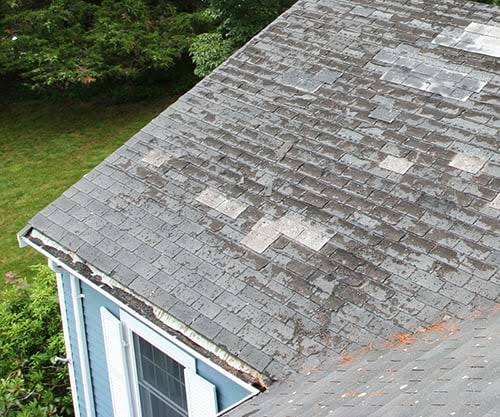
Observe Shingle Granule Loss
Asphalt shingles are coated with granules that protect them from UV rays. As a roof ages, these granules wash away.
- Check Your Gutters: If your gutters are filled with sand-like grit, your roof is shedding granules, indicating significant aging.
- Look for Bald Spots: From the ground, look for areas where the black asphalt base is visible. This suggests the shingles are near the end of their life.
Method 4: Ask the Neighbors (The Community Approach)
This might sound unconventional, but it is highly effective, especially if you live in a subdivision or housing development built around the same time.
Homes in the same neighborhood often experience similar wear and tear. If your neighbor replaced their roof three years ago because theirs was 20 years old, and your homes were built simultaneously, your roof is likely the same age.
Questions to ask neighbors:
- “When did you have your roof replaced?”
- “Did you use a specific local contractor?” (They might have records of working on your street).
- “Have you noticed any issues with wind damage recently?”
Method 5: Hire a Professional Roof Inspector
When in doubt, call an expert. A licensed roofing contractor can provide a definitive assessment. Unlike a general home inspector, a roofer specializes in identifying subtle signs of aging that untrained eyes miss.
What a Professional Looks For
- Nail Pops: Nails backing out of the deck indicate wood expansion/contraction cycles over many years.
- Moss and Algae Growth: While cosmetic, heavy growth can trap moisture and accelerate decay, often correlating with older installations.
- Sagging Decking: A sign of structural fatigue, common in roofs nearing 30+ years.
Most reputable companies offer free or low-cost inspections. They will provide a written report detailing the estimated remaining lifespan.
Comparison: DIY vs. Professional Assessment
| Feature | DIY Inspection | Professional Inspection |
|---|---|---|
| Cost | Free | $150–$300 (often waived if you hire them) |
| Accuracy | Moderate (Estimates) | High (Expert Analysis) |
| Safety Risk | Low (if using binoculars) | None (They handle the risk) |
| Detail Level | Surface observations only | Includes attic, decking, and ventilation |
| Best For | Initial curiosity | Real estate transactions or insurance claims |
Common Signs Your Roof Is Older Than You Think
Even if you suspect your roof is young, watch out for these red flags that suggest advanced aging:
- Curling or Cupping Shingles: The edges turn upward or downward, breaking the seal.
- Cracked Shingles: Brittle shingles crack easily under foot traffic or thermal stress.
- Daylight Through the Attic: If you can see sunlight coming through the roof boards from inside your attic, you have gaps that have widened over time.
- Multiple Layers: If you discover there are two or more layers of shingles, the underlying layer could be decades old, even if the top layer looks newer.
FAQ Section
Q: Can I tell the exact year my roof was installed just by looking at it?
A: Rarely. While you can estimate the condition and approximate age range (e.g., “5–10 years old”), pinpointing the exact year usually requires documentation or manufacturer batch codes that are not visible from the exterior.
Q: Does the color of the shingles affect how fast they age?
A: Yes. Darker shingles absorb more heat, which can accelerate the breakdown of asphalt binders over time compared to lighter-colored shingles. This thermal cycling can shorten the lifespan by a few years in hot climates.
Q: My roof is 15 years old but looks fine. Do I need to replace it?
A: Not necessarily. If there are no leaks, missing shingles, or granule loss, it may have several years left. However, you should increase the frequency of inspections to once a year rather than every few years.
Q: Will a new roof increase my home’s value?
A: Absolutely. According to real estate experts, a new roof can offer a high return on investment (ROI) because it removes a major contingency for buyers. It signals that the home is well-maintained and reduces immediate future costs for the buyer.
Q: How often should I check my roof’s age or condition?
A: You should perform a visual check twice a year (spring and fall) and after any major storm. A professional inspection is recommended every 3–5 years, or annually if the roof is over 15 years old.
Conclusion
Finding out “How Can I Find Out How Old My Roof Is“ doesn’t have to be a mystery. By combining document research, neighborhood insights, and visual inspections, you can get a reliable estimate of your roof’s age. Remember, while DIY methods are great for initial assessments, a professional opinion is invaluable for making big financial decisions.
Don’t wait for a leak to tell you it’s time for a change. Proactive maintenance saves money and peace of mind.
Found this guide helpful? Share it with your friends on Facebook or Twitter to help other homeowners protect their investments!