Are you struggling to figure out if your equipment will actually fit inside a new commercial vehicle before you sign the lease? You are not alone; many fleet managers and small business owners face costly mistakes by guessing van dimensions rather than verifying them. Understanding the specific 3500 159 Wb 3Dr High Roof Extended Cargo Van Length is critical for optimizing your workflow, ensuring safety compliance, and maximizing your return on investment. This guide breaks down the exact measurements you need to know.
Understanding the Nomenclature: What Do These Numbers Mean?
Before we dive into the tape measure, it is essential to decode the alphanumeric soup that manufacturers use. When you see “3500 159 WB 3Dr High Roof,” each component tells a specific story about the vehicle’s physical footprint and utility.
The “3500” designation typically refers to the gross vehicle weight rating (GVWR) class. In the US market, this usually points to heavy-duty cutaways or large vans like the Ram ProMaster 3500 or similar chassis cabs. It implies a robust frame capable of handling significant payload weights, often exceeding 4,000 pounds.
The “159 WB” stands for Wheelbase. This is the distance between the center of the front wheel and the center of the rear wheel. A 159-inch wheelbase is considered “extended” in the high-roof category. It offers a crucial balance: it is long enough to provide substantial cargo volume but short enough to maintain reasonable maneuverability in urban environments compared to the massive 178-inch or longer wheelbases.
“3Dr” indicates a three-door configuration. This usually means two front bucket seats and one large sliding side door for cargo access. Some configurations might include rear barn doors, but the “3Dr” label specifically highlights the side-loading capability, which is vital for tight parking spots where swinging rear doors isn’t an option.
Finally, “High Roof” is the game-changer. Unlike standard roofs that force you to crouch, a high roof typically offers over 6 feet of interior standing height. This allows workers to stand upright, reducing fatigue and increasing efficiency during loading and unloading.
Exact Exterior Dimensions: The Critical Measurements
When planning for garage clearance, car washes, or drive-thrus, the exterior length is your primary concern. For a typical 3500-class van with a 159-inch wheelbase and high roof, the dimensions are substantial.
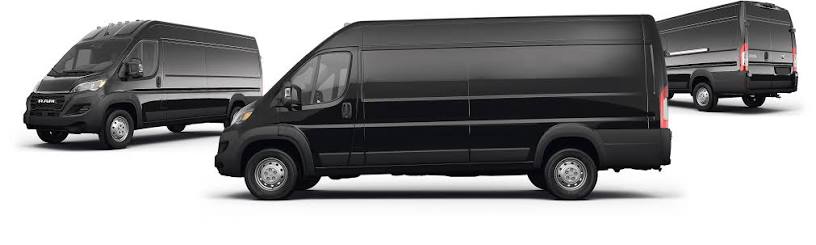
While specifications can vary slightly between manufacturers (such as Ram, Ford, or Mercedes-Benz), the 3500 159 Wb 3Dr High Roof Extended Cargo Van Length generally falls within a specific range. For instance, the Ram ProMaster 3500 High Roof with a 159-inch wheelbase has an overall length of approximately 219 inches (about 18.25 feet).
It is important to note that “Extended” in this context often refers to the wheelbase extension rather than an extra-long body kit. However, some upfitters may add bumpers or ladder racks that extend this length further. Always measure from the furthest point of the front bumper to the rearmost point of the rear door or bumper.
| Dimension Type | Approximate Measurement | Notes |
|---|---|---|
| Overall Length | 219 – 222 inches | Varies by bumper style |
| Wheelbase | 159 inches | Fixed structural measurement |
| Overall Height | 100 – 102 inches | Includes roof ribs/AC units |
| Width (Mirrors Folded) | ~79 inches | Critical for narrow lanes |
| Width (Mirrors Out) | ~96 inches | Check garage width |
Note: Always consult the specific manufacturer’s spec sheet for the model year you are purchasing, as minor facelifts can alter bumper designs by an inch or two.
Interior Cargo Space: Maximizing Your Payload
Knowing the outside length is useful for parking, but the inside dimensions determine your profitability. The 3500 159 Wb 3Dr High Roof Extended Cargo Van Length translates into a massive internal volume that can handle everything from HVAC units to catering supplies.
Standing Height and Usable Volume
The high roof is the standout feature here. With an interior standing height of roughly 76 to 80 inches, most adults can stand fully upright. This is not just a comfort feature; it is a safety feature. Being able to stand reduces back strain when organizing tall items.
The cargo volume for this configuration typically ranges between 350 to 400 cubic feet. To put that in perspective, you can fit:
- Up to 12 standard 4×8 sheets of plywood (if laid flat and angled correctly).
- Multiple large appliances like refrigerators or washing machines.
- Extensive shelving units for mobile retail or service operations.
Floor Length and Width
The floor length is slightly shorter than the exterior length due to the thickness of the walls and the dashboard intrusion. Expect a usable floor length of approximately 140 to 145 inches. The width between the wheel wells is typically around 60 to 62 inches, allowing for standard pallets or wide equipment to slide in easily.
For more detailed engineering standards on commercial vehicle dimensions, you can refer to general automotive classification data on Wikipedia.
Performance and Handling: Is the 159 WB Right for You?
Choosing the right wheelbase is a trade-off between stability and agility. The 159-inch wheelbase sits in the “sweet spot” for many US-based tradespeople.
Maneuverability vs. Stability
A shorter wheelbase (like 136 inches) turns tighter but can feel twitchy at highway speeds, especially when loaded. A longer wheelbase (178+ inches) feels like a bus on the highway but struggles in city parking garages. The 159 WB offers a compromise. It provides enough rear overhang to stabilize the load during highway cruising, reducing the “tail wagging the dog” effect, while still maintaining a turning radius that allows for U-turns in standard suburban streets.
Payload Capacity
The “3500” designation ensures you are getting a heavy-duty suspension. These vans often have a payload capacity ranging from 3,800 to 4,600 pounds, depending on the engine and options. This means you can load the van with heavy tools, materials, and even a passenger without nearing the GVWR limit. Always check the tire placard on the driver’s side door jamb for the exact limit of your specific vehicle.
Common Use Cases for This Configuration
Why do so many professionals choose this specific 3500 159 Wb 3Dr High Roof Extended Cargo Van Length? Here are the top industries benefiting from this setup:
- HVAC and Plumbing: The high roof allows technicians to stand while retrieving parts from overhead bins. The length accommodates long pipes and ladders (if roof racks are used).
- Catering and Food Service: The volume is sufficient for large ovens, prep tables, and bulk ingredients. The 3-door setup allows quick side access for curbside pickup.
- Electrical and Contracting: Shelving systems can be installed along the full length, keeping thousands of small parts organized. The payload capacity handles heavy reels of wire and conduit.
- Mobile Retail: Pop-up shops benefit from the standing height, allowing customers to browse comfortably inside the van if converted properly.
Maintenance Tips for Extended Wheelbase Vans
Owning a larger van requires specific maintenance attention. The extended length puts more stress on certain components.
- Tire Rotation: Due to the heavy front-end weight of the engine and the rear load, tire wear can be uneven. Rotate tires every 5,000 to 7,000 miles.
- Suspension Checks: The 159 WB extends leverage on the rear axle. Regularly inspect leaf springs or coil springs for sagging, especially if you frequently carry max payload.
- Blind Spots: The high roof and extended length create significant blind spots. Invest in extended side-view mirrors or a 360-degree camera system to mitigate accident risks.
FAQ Section
Q1: Can I fit a 16-foot ladder in a 159 WB High Roof Van?
A: Generally, no, not inside the cargo area diagonally without significant difficulty. A 16-foot ladder is 192 inches long. The interior floor length is roughly 145 inches. You would need to use a roof rack or leave the rear doors open (which is unsafe while driving). Most users opt for external ladder racks for lengths over 12-14 feet.
Q2: What is the fuel economy for a 3500 High Roof Van?
A: Fuel economy varies by engine type (gas vs. diesel) and load. On average, expect between 14 to 18 MPG in mixed driving conditions. Diesel engines typically offer better torque for heavy loads and slightly better highway mileage, while gas engines may be cheaper to maintain.
Q3: Is the 159 WB difficult to park in standard US parking spots?
A: It is manageable but requires care. Standard US parking spots are 9 feet wide and 18-20 feet long. At ~18.25 feet long, the van will fit in length, but the width (especially with mirrors out) requires careful alignment. Practice using your side cameras or mirrors to avoid clipping adjacent vehicles.
Q4: How does the “3Dr” configuration affect security?
A: A 3-door van (two front doors, one sliding side door) is secure if equipped with proper locks. However, sliding doors can be vulnerable to pry attacks. Ensure you have reinforced locking mechanisms or install an internal bulkhead barrier to protect the cab from the cargo area.
Q5: Can I convert this van into a camper?
A: Absolutely. The 3500 159 Wb 3Dr High Roof Extended Cargo Van Length is a popular choice for camper conversions. The high roof allows for standing room, and the 159 WB provides enough space for a bed, kitchenette, and bathroom while remaining drivable for daily use.
Q6: What is the difference between 2500 and 3500 models?
A: The primary difference is payload capacity and suspension strength. The 3500 model is built for heavier loads, often featuring dual rear wheels (though some 3500s are single rear wheel) and a stronger frame. If you regularly carry over 3,000 pounds, the 3500 is the safer, more durable choice.
Conclusion
Selecting the right commercial vehicle is a strategic business decision. The 3500 159 Wb 3Dr High Roof Extended Cargo Van Length offers a powerful combination of volume, vertical space, and manageable driving dynamics. It is ideal for professionals who need to carry bulky items without sacrificing the ability to navigate urban landscapes.
By understanding the exact dimensions—approximately 219 inches in length and over 6 feet in interior height—you can plan your upfits, shelving, and daily routes with confidence. Don’t let guesswork cost you time or money. Measure twice, buy once.
If you found this guide helpful, please share it with your fellow contractors and fleet managers on social media. Helping others make informed decisions builds a stronger, more efficient professional community!