Have you ever felt a sudden surge of panic or intense discomfort at the mere thought of peanut butter sticking to the roof of your mouth? You are not alone; this specific sensory aversion is more common than you might think and can significantly impact your dining experiences. Understanding the phobia of peanut butter on the roof of your mouth is the first step toward managing this unique anxiety and reclaiming your enjoyment of food.
What Is This Specific Peanut Butter Fear?
The sensation of peanut butter adhering to the palate is a distinct sensory experience that triggers a visceral reaction in many individuals. While it may seem humorous to those who do not experience it, for sufferers, this phobia of peanut butter on the roof of your mouth is a genuine source of distress. It is often categorized under specific food aversions or sensory processing sensitivities rather than a traditional clinical phobia like arachnophobia.
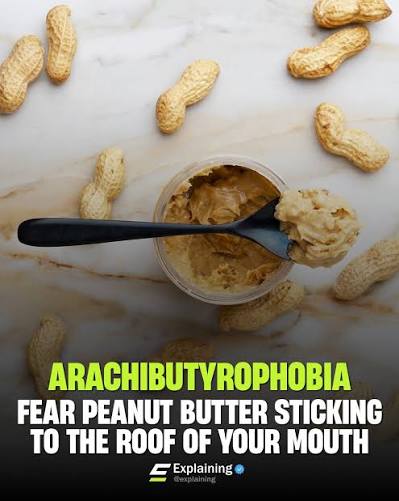
This condition is closely related to arachibutyrophobia, which is the fear of peanut butter sticking to the roof of the mouth. However, the focus here is specifically on the tactile sensation and the resulting anxiety. The sticky, thick consistency of peanut butter creates a physical sensation that some brains interpret as a threat or an unbearable irritation. This can lead to gagging, anxiety, or a complete refusal to eat peanuts in any form.
It is important to distinguish this from a peanut allergy. An allergy involves the immune system reacting to proteins in peanuts, potentially causing life-threatening symptoms. In contrast, this phobia is psychological and sensory-based. There is no immune response, only a strong emotional and physical repulsion to the texture. Recognizing this difference is crucial for proper management and understanding.
Why Does Peanut Butter Stick and Cause Panic?
To understand the fear, we must first understand the physics and biology behind the sensation. Peanut butter is a viscoelastic material, meaning it has both viscous (liquid-like) and elastic (solid-like) properties. When you chew it, it breaks down into small particles that mix with saliva. However, due to its high oil and protein content, it retains a sticky consistency that adheres strongly to mucous membranes, including the roof of your mouth (the hard and soft palate).
For most people, this is a minor inconvenience easily resolved with a sip of water. For those with the phobia of peanut butter on the roof of your mouth, this adhesion triggers a sensory overload. The brain’s sensory processing centers may interpret the persistent sticky feeling as a choking hazard or an inability to clear the airway. This misinterpretation activates the “fight or flight” response, leading to increased heart rate, sweating, and panic.
According to experts in sensory processing, individuals with heightened tactile sensitivity are more prone to this reaction. The roof of the mouth is rich in nerve endings, making it highly sensitive to texture changes. When peanut butter coats this area, the continuous stimulation can become overwhelming. This is why even the anticipation of eating peanut butter can cause anxiety before the food even touches the lips.
Is It a True Phobia or Sensory Aversion?
In clinical psychology, a phobia is defined as an excessive and irrational fear of a specific object or situation. While the term “phobia” is often used colloquially, the phobia of peanut butter on the roof of your mouth often straddles the line between a true specific phobia and a severe sensory aversion.
A true specific phobia would involve significant impairment in daily life, such as avoiding social situations where peanut butter might be served. On the other hand, a sensory aversion is a strong dislike based on the physical properties of the food. Many people who experience this discomfort do not meet the full criteria for a clinical phobia but still suffer from genuine distress.
The Diagnostic and Statistical Manual of Mental Disorders (DSM-5) categorizes specific phobias under anxiety disorders. If the fear of peanut butter sticking leads to avoidance behaviors that interfere with normal functioning, it may be classified as such. However, for many, it remains a manageable quirk or a mild aversion. Understanding where you fall on this spectrum can help determine the best approach to coping.
For more detailed information on specific phobias and their classifications, you can refer to Wikipedia’s page on Specific Phobia, which provides a comprehensive overview of how these conditions are defined and treated in the medical community.
Common Symptoms and Triggers
Recognizing the symptoms of this aversion is key to managing it. The reactions can vary from mild discomfort to severe panic attacks. Below are the most common symptoms associated with the phobia of peanut butter on the roof of your mouth:
- Physical Sensations: Gagging, throat tightening, excessive salivation, or a feeling of suffocation.
- Emotional Responses: Anxiety, dread, or irritability when peanut butter is present or mentioned.
- Avoidance Behaviors: Refusing to eat sandwiches, cookies, or candies that contain peanut butter. Checking ingredient labels meticulously.
- Anticipatory Anxiety: Feeling nervous before meals if there is a chance peanut butter will be served.
Triggers are not limited to eating peanut butter directly. The smell of peanut butter, seeing someone else eat it, or even watching a commercial featuring peanut butter can trigger the response. This is known as classical conditioning, where the brain associates the sensory input with the negative experience of the sticky sensation.
| Symptom Type | Mild Reaction | Severe Reaction |
|---|---|---|
| Physical | Slight discomfort, desire to drink water | Gagging, vomiting, hyperventilation |
| Emotional | Dislike, annoyance | Panic, fear, dread |
| Behavioral | Avoiding crunchy peanut butter | Avoiding all peanut products entirely |
How to Overcome the Fear of Sticky Peanut Butter
Overcoming the phobia of peanut butter on the roof of your mouth is possible with patience and the right strategies. Here is a step-by-step guide to help desensitize yourself to the sensation:
- Start with Alternatives: Begin by exploring peanut butters with different textures. Natural peanut butter, which separates oil and requires stirring, may feel less sticky than commercial brands with added stabilizers. Alternatively, try powdered peanut butter mixed with water, which has a much thinner consistency.
- Control the Environment: When trying to reintroduce peanut butter, do so in a safe, controlled environment. Have a glass of water nearby. Take small amounts, no larger than a pea-sized dot, and place it on the tongue rather than the roof of the mouth initially.
- Practice Mindful Eating: Focus on the chewing process. Chew thoroughly to break down the peanut butter into smaller particles. This reduces the stickiness and makes it easier to swallow. Pair it with a cracker or bread to absorb some of the oils.
- Gradual Exposure: If the direct taste is too much, start by simply being in the same room as peanut butter. Then, progress to touching it, smelling it, and finally tasting a tiny amount. This gradual exposure helps rewire the brain’s association with the food.
- Use Positive Reinforcement: Reward yourself for each small step. If you successfully tolerate a small amount of peanut butter, acknowledge your progress. This helps build positive associations over time.
It is also helpful to understand that you do not have to eat peanut butter. If the aversion remains strong despite efforts, it is perfectly acceptable to avoid it. There are many delicious alternatives, such as almond butter, sunflower seed butter, or cashew butter, which offer similar nutritional benefits without the same sticky texture.
FAQ Section
1. Is the phobia of peanut butter on the roof of your mouth a real medical condition?
While not a standalone diagnosis in the DSM-5, it is a recognized sensory aversion or specific phobia. It falls under the umbrella of anxiety disorders or sensory processing issues. Many mental health professionals acknowledge it as a valid source of distress for patients.
2. Can children outgrow this fear?
Yes, many children outgrow sensory aversions as their sensory processing systems mature. However, some may carry this aversion into adulthood. Early exposure to various textures in a positive environment can help prevent long-term aversions.
3. Are there medical treatments for this phobia?
For severe cases that impact quality of life, cognitive-behavioral therapy (CBT) and exposure therapy are effective treatments. These therapies help individuals change their thought patterns and gradually reduce their fear response. In rare cases, medication for anxiety may be prescribed.
4. Why does peanut butter stick more than other nut butters?
Peanut butter has a unique combination of high protein and oil content, along with specific particle sizes after grinding. This creates a viscoelastic property that is stickier than almond or cashew butter, which tend to be smoother or oilier. The protein structure in peanuts binds more aggressively to mucous membranes.
5. Can I use water to prevent the sticking sensation?
Yes, drinking water while eating peanut butter can help wash away the sticky residue. Some people prefer to mix peanut butter into smoothies or oatmeal, where the liquid content reduces the adherence to the roof of the mouth. This is a practical workaround for those who enjoy the flavor but hate the texture.
6. Is this related to ARFID (Avoidant/Restrictive Food Intake Disorder)?
It can be. ARFID is a feeding disorder characterized by a lack of interest in eating or avoidance based on sensory characteristics. If the phobia of peanut butter on the roof of your mouth leads to a significantly restricted diet and nutritional deficiencies, it may be part of ARFID. Consult a healthcare provider if you suspect this is the case.
Conclusion
Dealing with the phobia of peanut butter on the roof of your mouth can be challenging, but it is a manageable condition. By understanding the sensory mechanisms behind the fear and employing gradual exposure techniques, you can reduce your anxiety. Remember, whether you choose to overcome the aversion or simply switch to almond butter, the goal is to have a healthy and enjoyable relationship with food.
If this article helped you understand your feelings better, please share it with friends who might relate to this sticky situation. Sharing experiences can help reduce the stigma around unique food aversions and create a supportive community. Let’s keep the conversation going on social media!