Have you ever wondered what happens when an extreme sport stunt goes wrong in the heart of a bustling city? It is a terrifying scenario that captures immediate global attention and raises serious questions about urban safety regulations. Recently, the world watched in suspense as a parachutist was rescued from a stadium roof in Toulouse, highlighting the delicate balance between adrenaline-fueled adventure and public security.
This incident serves as a stark reminder of the unpredictable nature of BASE jumping and unauthorized skydiving stunts. In this article, we will break down exactly what happened, how emergency teams executed the rescue, and what this means for the future of extreme sports in urban environments. Whether you are an enthusiast of aerial sports or simply concerned about public safety, understanding the mechanics of this rescue provides valuable insights into modern emergency response capabilities.
What Happened During the Toulouse Stadium Incident?
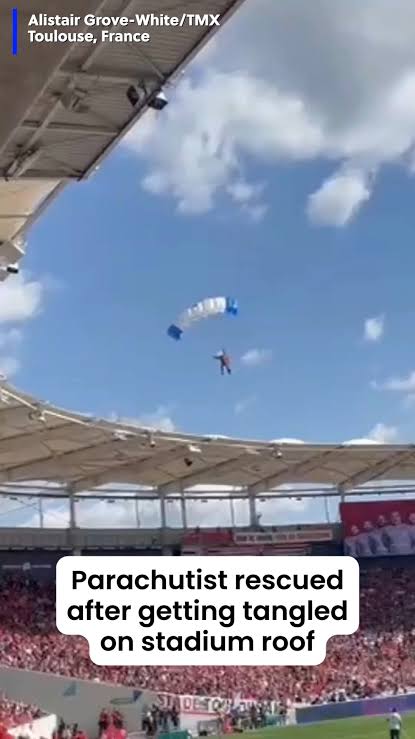
The incident occurred at the iconic Stadium de Toulouse, a venue known for hosting major football matches and international events. The parachutist, whose identity has been protected by local authorities pending further investigation, attempted an unauthorized jump onto the structure. However, due to miscalculated wind currents and technical difficulties with the canopy deployment, the individual became stranded on the high, sloping roof of the stadium.
Unlike a standard landing zone, the stadium roof presented a unique set of hazards. The surface was slippery, steep, and lacked secure anchor points. The individual was unable to descend safely on their own, triggering an immediate emergency response. Local police cordoned off the area surrounding the stadium to ensure the safety of spectators and passersby, while fire and rescue units were dispatched to the scene.
The visual of a lone figure stranded high above the ground sparked widespread concern on social media. Yet, it also showcased the professionalism of French emergency services. The situation was not just a rescue mission; it was a complex logistical challenge requiring coordination between aerial specialists, structural engineers, and medical teams.
Key Timeline of Events
- Initial Jump: The parachutist attempts to land on the stadium roof during daylight hours.
- Stranding: The canopy fails to provide a safe descent, leaving the jumper trapped on the slick surface.
- Emergency Call: Witnesses alert authorities; police secure the perimeter within 15 minutes.
- Rescue Deployment: Specialized high-angle rescue teams arrive with ropes, harnesses, and stabilization equipment.
- Extraction: The individual is secured and lowered safely to the ground.
- Medical Check: Immediate medical evaluation is conducted on-site.
How Did Emergency Teams Execute the Rescue?
Rescuing someone from a high, inaccessible structure like a stadium roof requires more than just bravery; it demands precision engineering and rigorous training. The French fire brigade, known as Sapeurs-Pompiers, utilized high-angle rescue techniques typically reserved for mountain climbing accidents or industrial emergencies.
The primary challenge was the instability of the roof. Rescue teams could not simply walk out to the individual. Instead, they deployed a system of anchors and pulleys from a safer, higher vantage point or via helicopter support, depending on the specific structural access points available. The rescuers were equipped with full-body harnesses, helmets, and cut-resistant gloves to handle the parachute lines safely.
One critical aspect of the operation was calming the stranded parachutist. Panic can lead to erratic movements, which might cause a fall or compromise the rescue equipment. Communicators maintained constant verbal contact, guiding the individual to remain still while the rescue team approached. Once the rescuer reached the parachutist, they secured them into a secondary harness, effectively creating a “double-up” system for redundancy.
Rescue Equipment Used
| Equipment | Purpose | Importance Level |
|---|---|---|
| Static Ropes | Primary line for lowering/raising | Critical |
| Carabiners | Connecting harnesses to ropes | Critical |
| Descenders | Controlled lowering speed | High |
| Helmet Cam | Real-time visual feedback for command | Medium |
| Medical Kit | Immediate trauma care upon landing | High |
The success of this operation underscores the importance of specialized training. According to general safety standards outlined in resources like Wikipedia’s page on High-Angle Rescue, such operations require certified technicians who understand load dynamics and rope management. The Toulouse team’s adherence to these strict protocols ensured that no additional injuries occurred during the extraction.
Why Do Parachutists Target Urban Structures?
To understand why a parachutist was rescued from a stadium roof in Toulouse, we must look at the motivations behind urban BASE jumping. For many enthusiasts, cities offer the ultimate canvas for their sport. Skyscrapers, bridges, and stadiums provide the height and visibility that natural landscapes sometimes lack.
However, this trend comes with significant risks. Urban environments are unpredictable. Wind tunnels created by buildings can change direction instantly, making canopy control difficult. Furthermore, landing zones are rarely clear. Power lines, antennas, and slippery surfaces like glass or metal roofs pose severe threats.
Risks vs. Rewards of Urban Jumping
- Adrenaline Rush: The proximity to structures increases the perceived danger and thrill.
- Visibility: Stunts in famous locations gain rapid social media attention.
- Legal Consequences: Unauthorized jumps often result in heavy fines, equipment confiscation, and potential jail time.
- Physical Danger: Higher risk of collision, entanglement, or injury due to hard surfaces.
Experts argue that the glorification of these stunts on social media encourages inexperienced jumpers to attempt dangerous feats without adequate preparation. This incident in Toulouse is a case study in why regulation and designated landing zones are crucial for the sustainability of the sport.
What Are the Legal and Safety Implications?
The rescue of the parachutist in Toulouse opens a broader discussion about legal liability and public safety. In France, unauthorized entry into private or public infrastructure for the purpose of extreme sports is illegal. The individual involved faces potential charges related to trespassing, endangering public safety, and consuming emergency resources unnecessarily.
From a safety perspective, this incident highlights the need for better dialogue between city planners and the extreme sports community. Some cities have begun to designate specific times or areas for legal BASE jumping, which helps reduce unauthorized incidents. By providing safe, regulated outlets for these athletes, municipalities can mitigate risks while respecting the culture of the sport.
Moreover, the cost of such rescues is significant. While emergency services are funded to help citizens, repeated misuse of these resources for preventable, illegal activities strains public budgets. This raises ethical questions about whether repeat offenders should be billed for their rescue operations, a policy already implemented in some regions for hikers who ignore safety warnings.
FAQ Section
1. Is BASE jumping legal in Toulouse?
No, unauthorized BASE jumping from public structures like stadiums is illegal in Toulouse and throughout France. It is considered trespassing and a violation of public safety laws. Permits are rarely granted for such activities in dense urban areas.
2. How long did the rescue operation take?
While exact minute-by-minute logs vary by report, typical high-angle rescues of this complexity take between 45 minutes to two hours. This includes securing the scene, setting up rigging, approaching the subject, and lowering them safely.
3. Was the parachutist injured?
In most reported cases of this nature, if the individual is stranded rather than having fallen, injuries are minor or non-existent. The primary risk is hypothermia or shock from the stress of the situation. Medical teams always perform a thorough check upon landing.
4. What happens to the parachute equipment?
Equipment used in illegal stunts is often confiscated by police as evidence. Depending on the severity of the legal charges, the gear may be returned after fines are paid, or it may be destroyed if deemed part of a criminal act endangering public safety.
5. Can I watch videos of the rescue?
Official footage is usually released by local news outlets or emergency service press releases. However, sharing unverified user-generated content can sometimes interfere with ongoing investigations or violate privacy rights of the individuals involved.
6. How can urban skydiving be made safer?
Safety can be improved through designated jump zones, stricter enforcement of existing laws, and educational programs that highlight the dangers of unauthorized stunts. Collaboration between athletes and city officials can lead to safer, regulated events.
Conclusion
The dramatic event where a parachutist was rescued from a stadium roof in Toulouse is more than just a viral news story; it is a critical lesson in risk management and emergency preparedness. It demonstrates the incredible skill of French rescue teams and the inherent dangers of unauthorized urban extreme sports.
For enthusiasts, the takeaway is clear: the thrill of the jump is never worth the risk to public safety or personal life. For the general public, it reinforces confidence in the ability of emergency services to handle complex, high-stakes scenarios with professionalism and care.
If you found this analysis insightful, please share it on your social media channels to spread awareness about urban safety and the realities of extreme sports. Let’s keep the conversation going—what are your thoughts on regulating BASE jumping in cities?