Have you ever run your tongue along the top of your mouth and felt those distinct, bumpy textures just behind your front teeth? It is a common curiosity, and many people worry that these bumps might be signs of an infection or abnormality. If you have found yourself asking, “What are the ridges on the roof of your mouth,” you are not alone. Understanding this unique part of your anatomy can help alleviate unnecessary anxiety and improve your overall oral hygiene routine.
In this comprehensive guide, we will explore the science behind these ridges, their crucial role in how we eat and speak, and when you should actually be concerned about changes in your mouth’s texture.
The Anatomical Name: Palatine Rugae
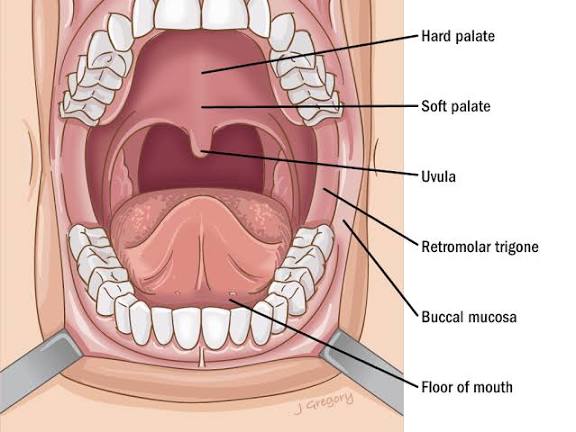
The technical term for those ridges is palatine rugae (singular: rugae). These are irregular, transverse folds of tissue located on the anterior (front) portion of the hard palate. While they may feel rough or uneven to your tongue, they are a completely normal and essential part of human anatomy.
Unlike the smooth surface of the cheeks or the floor of the mouth, the hard palate requires this textured surface to function correctly. According to anatomical studies, these ridges are formed during fetal development and remain relatively consistent throughout adulthood, although they can change slightly due to wear, age, or dental work.
Why Do We Have Them?
You might wonder why evolution decided to give us a bumpy roof of the mouth. The answer lies in functionality. The palatine rugae serve several critical purposes:
- Food Manipulation: They provide friction against the tongue, helping to hold food in place while chewing. This prevents slippery foods from sliding too far back into the throat before they are properly masticated.
- Speech Articulation: The ridges help the tongue create specific sounds. For example, when you pronounce “t,” “d,” “n,” or “l,” your tongue often touches or comes close to these ridges to shape the airflow.
- Sensory Feedback: The area is rich in nerve endings, providing sensory input that helps regulate chewing pressure and food texture perception.
People Also Ask: Common Questions About Mouth Ridges
To ensure we cover every aspect of your curiosity, let’s address the most frequent questions users ask search engines regarding this topic.
Are the Ridges on Everyone’s Mouth the Same?
No, two people do not have the exact same pattern of palatine rugae. Much like fingerprints, the arrangement, number, and shape of these ridges are unique to each individual.
- Variability: Most adults have between 3 to 5 major transverse ridges.
- Uniqueness: Forensic dentists have even studied rugae patterns for identification purposes because they are resistant to decomposition and fire damage, remaining stable after death.
This uniqueness means that if you notice your ridges look different from a friend’s, it is perfectly normal. There is no “standard” look, only what is standard for you.
Can the Ridges Change Over Time?
While the basic pattern is established early in life, minor changes can occur. Here is a breakdown of factors that might alter the appearance or feel of your palatine rugae:
| Factor | Impact on Palatine Rugae |
|---|---|
| Aging | Tissue may thin slightly, making ridges less prominent. |
| Dental Appliances | Braces or retainers can temporarily irritate or flatten ridges. |
| Trauma | Burning your mouth on hot pizza can cause swelling that obscures ridges. |
| Weight Loss/Gain | Significant changes in facial structure can subtly affect palate tension. |
If you notice sudden, drastic changes—such as a ridge disappearing, growing rapidly, or becoming painful—it is advisable to consult a dentist. However, gradual changes over decades are typically part of the natural aging process.
Is It Normal for the Ridges to Feel Sore?
Occasional soreness is common, but persistent pain is not. The tissue on the hard palate is tough, but it is not invincible. Common causes for temporary soreness include:
- Thermal Burns: Eating food that is too hot (above 60°C/140°F) can scald the delicate mucosa covering the ridges.
- Abrasion: Crunchy foods like tortilla chips or hard crusts can scratch the surface.
- Allergic Reactions: Certain toothpastes or mouthwashes containing harsh alcohols or sodium lauryl sulfate may cause irritation.
If the soreness persists for more than two weeks, it could indicate an underlying issue such as an oral infection, vitamin deficiency, or, in rare cases, oral pathology.
When to Be Concerned: Red Flags to Watch For
While asking “what are the ridges on the roof of your mouth” usually leads to reassurance, it is vital to distinguish between normal anatomy and potential health issues. The American Dental Association recommends regular self-exams to catch abnormalities early.
Here are specific signs that warrant a professional evaluation:
- Persistent Lumps: If a bump appears that was not there before and does not go away after 14 days.
- Color Changes: White patches (leukoplakia), red velvety patches (erythroplakia), or dark spots that do not heal.
- Bleeding: Unexplained bleeding from the ridges or surrounding tissue.
- Numbness: Loss of sensation in the palate, which could indicate nerve involvement.
- Difficulty Swallowing or Speaking: Any functional impairment linked to the palate area.
For more detailed information on oral cancer symptoms and prevention, you can refer to this authoritative resource on Oral Cancer from Wikipedia. Note that while Wikipedia is a great starting point, always prioritize advice from your healthcare provider for personal medical concerns.
How to Care for Your Palatine Rugae
Maintaining the health of the roof of your mouth is just as important as brushing your teeth. Here is a simple, step-by-step routine to keep your oral cavity healthy:
- Gentle Brushing: When brushing your teeth, lightly brush your tongue and the roof of your mouth. Use a soft-bristled toothbrush to avoid abrasion.
- Hydration: Dry mouth can make the tissues more susceptible to irritation. Aim to drink at least 2 liters of water daily, keeping the temperature moderate (22–28°C) to avoid thermal shock to the tissues.
- Avoid Extreme Temperatures: Let hot beverages and foods cool for at least 2–3 minutes before consuming them. This simple habit prevents thermal burns that can inflame the rugae.
- Balanced Diet: Ensure you are getting enough Vitamin B12, Iron, and Folate. Deficiencies in these nutrients can lead to glossitis or inflammation of the oral mucosa.
- Regular Dental Checkups: Visit your dentist every six months. They can spot subtle changes in your palatine rugae that you might miss.
FAQ Section
1. Can braces affect the ridges on the roof of my mouth?
Yes, braces can sometimes cause temporary changes. The hardware may rub against the palate, causing irritation or slight flattening of the ridges due to constant pressure. Once the braces are removed, the tissue usually returns to its normal state within a few weeks.
2. Why do my ridges feel bigger when I’m sick?
When you have a cold or allergies, your body produces more mucus, and your tissues may become inflamed or swollen. This systemic inflammation can make the palatine rugae feel more pronounced or tender. Additionally, mouth breathing due to congestion can dry out the palate, leading to irritation.
3. Is there a condition where people have no ridges?
It is extremely rare to have a completely smooth hard palate. However, certain genetic conditions or developmental anomalies might result in less defined rugae. If you were born with a cleft palate, the structure of your roof of the mouth may differ significantly, but this is usually addressed surgically in infancy.
4. Can smoking change the appearance of the roof of my mouth?
Absolutely. Smokers often develop a condition called nicotinic stomatitis, which causes the palate to turn white and develop small, raised bumps with red centers. This is a reaction to heat and chemicals from smoke. While often reversible upon quitting, it increases the risk of oral cancer and should be monitored by a dentist.
5. Do pets have similar ridges?
Yes, many mammals, including cats and dogs, have palatine rugae. In cats, these ridges are particularly prominent and help them groom and manipulate food. This similarity highlights the evolutionary importance of this anatomical feature across species.
6. How can I soothe irritated ridges at home?
If your ridges are sore from a burn or scratch, rinse your mouth with warm salt water (1/2 teaspoon of salt in 1 cup of warm water) three times a day. Avoid spicy, acidic, or crunchy foods until the tenderness subsides. Over-the-counter oral gels can also provide temporary relief.
Conclusion
So, what are the ridges on the roof of your mouth? They are the palatine rugae—unique, functional, and fascinating structures that help you eat, speak, and sense your food. Far from being a defect, they are a testament to the complex engineering of the human body.
By understanding their purpose and monitoring their health, you can take better care of your oral well-being. Remember, while variations are normal, persistent changes should always be checked by a professional.
Did you learn something new about your anatomy today? Share this article with your friends and family on social media to help them understand the hidden wonders of their own mouths!