Waking up with pain in your mouth can ruin your entire day, making eating, drinking, and even speaking uncomfortable. If you are thinking, “I have a sore on the roof of my mouth,” you are not alone; this is a very common complaint that affects millions of people annually due to various triggers ranging from minor burns to viral infections. In this guide, we will explore why this happens, how to treat it safely at home, and exactly when you need professional medical attention.
Why Does the Roof of My Mouth Hurt? Common Causes
Understanding the root cause is the first step toward effective treatment. The roof of your mouth, known medically as the palate, is sensitive tissue that can be irritated by heat, trauma, or underlying health conditions.
1. Thermal Burns (Pizza Palate)
This is arguably the most frequent culprit. The hard palate has thin mucous membranes that are easily damaged by hot foods and beverages.
- The Mechanism: When you consume food hotter than 60°C (140°F), it can cause first-degree or second-degree burns.
- Common Triggers: Hot pizza cheese, fresh coffee, or microwaved soups.
- Symptoms: Immediate stinging pain, redness, and potentially blistering or peeling skin within 24 hours.
2. Canker Sores (Aphthous Ulcers)
Unlike cold sores, which appear on the lips, canker sores develop inside the mouth. While they more commonly appear on the inner cheeks or gums, they can occasionally form on the soft palate.
- Appearance: Small, shallow lesions with a white or yellow center and a red border.
- Triggers: Stress, minor injury from brushing, acidic foods, or vitamin deficiencies (B12, iron, folate).
3. Trauma and Abrasion
Hard foods can physically scratch the delicate tissue of the palate.
- Examples: Crunchy tortilla chips, hard crusts of bread, or accidental biting.
- Result: A raw, tender spot that feels like a cut or abrasion.
4. Viral and Bacterial Infections
Certain infections manifest as sores in the oral cavity.
- Herpes Simplex Virus (HSV-1): Can cause clusters of painful blisters on the hard or soft palate.
- Hand, Foot, and Mouth Disease: Common in children but can affect adults, causing painful red spots or blisters.
- Thrush (Candidiasis): A fungal infection that creates creamy white lesions, which may bleed slightly when scraped.
For a deeper understanding of oral anatomy and related conditions, you can refer to the detailed overview on Wikipedia’s page on the Human Mouth.
Immediate Relief: How to Heal a Sore on the Roof of Your Mouth
If you are dealing with pain right now, here are actionable steps to reduce discomfort and speed up healing. Most minor sores heal within 7–10 days, but proper care can make this period much more bearable.
Step-by-Step Home Remedies
- Rinse with Salt Water
- Mix 1/2 teaspoon of salt into 8 ounces (240 ml) of warm water.
- Swish gently for 30 seconds and spit out.
- Repeat 3–4 times a day. This reduces inflammation and keeps the area clean.
- Apply Honey
- Use raw, medical-grade honey if available.
- Dab a small amount directly onto the sore.
- Honey has natural antibacterial and anti-inflammatory properties that can coat the wound and promote healing.
- Use Over-the-Counter Gels
- Look for products containing benzocaine or hydrogen peroxide.
- Apply according to package instructions to numb the area temporarily before eating.
- Cold Compresses
- Suck on ice chips or eat cold yogurt/smoothies.
- Cold temperatures constrict blood vessels, reducing swelling and numbing pain.
What to Avoid During Healing
To prevent further irritation, strictly avoid the following until the sore heals:
- Spicy Foods: Chili, hot sauce, and curry can aggravate open wounds.
- Acidic Foods: Citrus fruits (lemons, oranges), tomatoes, and vinegar-based dressings.
- Crunchy/Hard Foods: Chips, nuts, and toast can scratch the healing tissue.
- Alcohol-Based Mouthwashes: These can sting and dry out the tissue, delaying recovery.
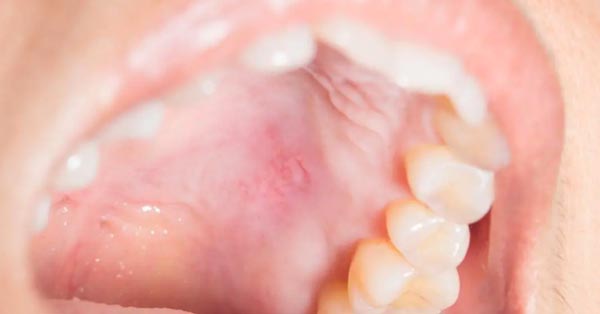
Comparison: Burn vs. Canker Sore vs. Infection
It can be difficult to distinguish between different types of sores. Use this table to help identify what you might be experiencing.
| Feature | Thermal Burn | Canker Sore | Viral Infection (e.g., Herpes) |
|---|---|---|---|
| Onset | Immediate after eating hot food | Gradual (1-2 days) | Often preceded by tingling/itching |
| Appearance | Red, blistered, or peeling skin | White/yellow center, red border | Cluster of fluid-filled blisters |
| Pain Level | Sharp, stinging | Throbbing, sensitive to touch | Intense, burning pain |
| Healing Time | 3–7 days | 7–14 days | 10–14 days |
| Contagious? | No | No | Yes |
When to See a Doctor: Red Flags
While most palatal sores are benign and self-limiting, some symptoms indicate a more serious underlying issue. You should consult a healthcare provider or dentist if:
- Duration: The sore does not heal after two weeks.
- Size: The sore is unusually large (greater than 1 cm) or spreading.
- Recurrence: You frequently get sores multiple times a year.
- Systemic Symptoms: You experience fever, difficulty swallowing, or swollen lymph nodes in the neck.
- White Patches: You notice persistent white patches that cannot be wiped away (potential sign of leukoplakia or thrush).
Early diagnosis is crucial for conditions like oral lichen planus or, in rare cases, oral cancer. Never ignore a persistent lesion.
Prevention Tips for Long-Term Oral Health
Preventing future sores involves a combination of dietary adjustments and good oral hygiene practices.
- Let Food Cool: Wait at least 2–3 minutes after microwaving food before eating. Test the temperature with your lip first.
- Soft-Bristled Toothbrush: Use a soft-bristled brush to avoid accidentally scratching the palate while brushing.
- Manage Stress: High stress levels are linked to canker sores. Practice mindfulness, exercise, or adequate sleep.
- Balanced Diet: Ensure you are getting enough Vitamin B12, Zinc, Folate, and Iron. Consider a multivitamin if your diet is restrictive.
- Stay Hydrated: Dry mouth (xerostomia) increases the risk of irritation. Drink at least 2 liters of water daily.
FAQ Section
1. Can a sore on the roof of the mouth be a sign of cancer?
While rare, persistent sores that do not heal within two weeks can be a sign of oral cancer. Other signs include loose teeth, numbness, or lumps in the neck. If a sore persists beyond 14 days, see a dentist for an examination.
2. Is it safe to pop a blister on the roof of my mouth?
No. Popping a blister increases the risk of bacterial infection and delays healing. Let the blister rupture naturally or reabsorb. If it is painful, use a saltwater rinse to keep it clean.
3. Why does my sore hurt more when I eat acidic foods?
Acidic foods lower the pH level in your mouth, which irritates exposed nerve endings in the open sore. This causes a sharp, stinging sensation. Avoiding acids allows the tissue to regenerate without constant chemical irritation.
4. Can toothpaste cause sores on the roof of the mouth?
Yes, some people are sensitive to Sodium Lauryl Sulfate (SLS), a foaming agent found in many toothpastes. SLS can strip the protective lining of the mouth, leading to irritation or canker sores. Try switching to an SLS-free toothpaste.
5. How long does a burned roof of the mouth take to heal?
Minor first-degree burns typically heal within 3 to 7 days. More severe second-degree burns involving blistering may take up to two weeks. Keeping the area clean and avoiding irritants speeds up this process.
Conclusion
Dealing with the thought “I have a sore on the roof of my mouth“ is stressful, but in most cases, it is a temporary and manageable condition. Whether caused by a hot slice of pizza, a stray chip, or a minor viral bug, most palatal sores respond well to simple home remedies like saltwater rinses and avoiding irritants.
Remember, patience is key. Give your body time to heal, and prioritize gentle oral care. If the pain persists beyond two weeks or worsens, do not hesitate to seek professional advice.
Found this guide helpful? Share it with friends and family on social media to help them navigate their next mouth sore with confidence!