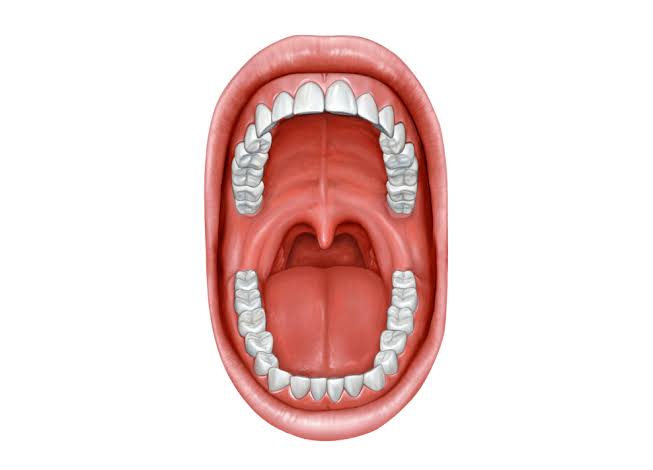
Have you ever run your tongue along the top of your mouth and wondered if what you’re feeling is actually normal? It is a common concern, especially when you notice a new bump, ridge, or change in texture that wasn’t there before. Understanding what does a normal roof of the mouth look like can help alleviate unnecessary anxiety and empower you to detect genuine issues early.
The roof of your mouth, medically known as the palate, is a complex structure that plays a vital role in eating, speaking, and breathing. While it may seem like a simple surface, it has distinct anatomical features that vary slightly from person to person. In this guide, we will break down the anatomy of a healthy palate, distinguish between normal variations and potential problems, and provide expert insights on maintaining optimal oral health.
The Anatomy of a Healthy Palate
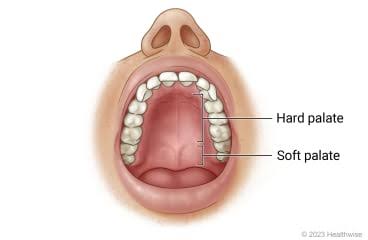
To understand what is normal, we first need to look at the structure. The roof of the mouth is divided into two main sections: the hard palate and the soft palate. Each has a unique appearance and function.
The Hard Palate: The Front Section
The hard palate makes up the front two-thirds of the roof of your mouth. If you run your tongue from your front teeth backward, you will feel a bony, rigid surface. This is the hard palate.
- Color: A healthy hard palate is typically pale pink or coral pink. It may appear slightly lighter than the gums surrounding your teeth.
- Texture: It is not perfectly smooth. You will likely feel transverse ridges known as palatine rugae. These are normal folds of tissue that help grip food while chewing.
- Midline Ridge: Many people have a slight raised ridge running down the center of the hard palate. This is called the median palatine raphe. It is a normal anatomical feature where the two halves of the palate fused during development.
The Soft Palate: The Back Section
Moving further back, past the hard bone, you enter the soft palate. This area is muscular and flexible, allowing it to move during swallowing and speech.
- Color: The soft palate is usually a deeper pink or reddish-pink compared to the hard palate. It is more vascular (has more blood vessels), which contributes to this color difference.
- Texture: It feels smooth and soft to the touch, lacking the bony rigidity and rugae of the front section.
- The Uvula: Hanging down from the center of the soft palate is the uvula, that small, fleshy teardrop-shaped piece of tissue. Its presence and size vary among individuals, but it should be symmetrical and match the color of the surrounding soft palate.
Common Variations That Are Still Normal
One of the most frequent questions patients ask dentists is about lumps or bumps. Before panicking, it is crucial to recognize that several “abnormalities” are actually benign, normal variations.
Torus Palatinus
A torus palatinus is a bony growth located on the midline of the hard palate. It feels like a hard, immovable lump under the skin.
- Prevalence: It affects approximately 20-30% of the population.
- Characteristics: It is harmless, grows very slowly over years, and requires no treatment unless it interferes with denture fitting.
- Appearance: It looks like a smooth, rounded bump covered by normal pink mucosa.
Geographic Tongue Extension
While technically affecting the tongue, sometimes patterns of redness or white patches can appear near the posterior roof of the mouth due to adjacent inflammation. However, true geographic tongue is limited to the tongue’s surface. If you see map-like patterns strictly on the palate, it is likely something else and should be checked.
Pigmentation
Just like skin, the mucous membranes of the mouth can have pigmentation. Some individuals, particularly those with darker skin tones, may have natural melanin pigmentation on their palate. This appears as brownish or blackish flat spots and is entirely normal if it has been present for a long time without change.
Red Flags: When to See a Dentist
Knowing what does a normal roof of the mouth look like is equally important for identifying when something is wrong. While minor irritations from hot pizza or crunchy chips are common, certain signs warrant professional evaluation.
| Feature | Normal Appearance | Potential Warning Sign |
|---|---|---|
| Color | Pale pink to coral pink | White patches (leukoplakia), bright red areas, or dark black/blue spots |
| Texture | Smooth or slight ridges (rugae) | Rough, scaly, or cauliflower-like textures |
| Sensation | No pain or mild sensitivity | Persistent pain, numbness, or bleeding without injury |
| Lumps | Hard, midline bony growth (Torus) | Soft, growing lumps, or ulcers that do not heal in 2 weeks |
Persistent Sores
If you have a sore or ulcer on the roof of your mouth that does not heal within two weeks, it is a primary indicator to see a healthcare provider. While most mouth sores are aphthous ulcers (canker sores) caused by stress or minor trauma, persistent non-healing lesions can be a sign of oral cancer or other systemic conditions.
White Patches
White patches that cannot be wiped away may indicate leukoplakia, a condition often linked to tobacco use or chronic irritation. Another possibility is oral thrush (candidiasis), a fungal infection that presents as creamy white lesions. Unlike leukoplakia, thrush can often be scraped off, leaving a red, raw area underneath.
How to Maintain a Healthy Palate
Maintaining the health of your palate involves more than just brushing your teeth. Here are actionable steps to ensure your oral cavity remains in top condition.
- Practice Gentle Hygiene: When brushing, gently clean the roof of your mouth to remove bacteria and food debris. Use a soft-bristled toothbrush to avoid abrading the delicate tissue of the soft palate.
- Stay Hydrated: Saliva is essential for protecting the oral mucosa. Dry mouth (xerostomia) can make the palate more susceptible to infection and irritation. Aim to drink at least 2 liters of water daily.
- Avoid Extreme Temperatures: Frequently consuming scalding hot foods or beverages can cause thermal burns, leading to blistering or sloughing of the tissue on the hard palate. Let your coffee cool for a few minutes before sipping.
- Limit Irritants: Tobacco and excessive alcohol consumption are significant risk factors for oral cancers and mucosal diseases. Quitting smoking can significantly improve the color and health of your palate within weeks.
- Regular Dental Check-ups: Your dentist examines your entire oral cavity, including the roof of your mouth, during routine cleanings. These visits are crucial for early detection of any changes.
For more detailed information on oral anatomy and related conditions, you can refer to the comprehensive overview provided by Wikipedia on the Human Palate.
FAQ Section
1. Why is my roof of the mouth white?
A white roof of the mouth can be caused by several factors. The most common is a thermal burn from hot food, which causes the top layer of skin to peel and turn white. Other causes include oral thrush (a yeast infection), leukoplakia (thickened white patches), or simply dehydration. If the whiteness persists for more than a week or is accompanied by pain, consult a dentist.
2. Is it normal to have bumps on the roof of my mouth?
Yes, small bumps are often normal. The palatine rugae are natural ridges on the hard palate. Additionally, a torus palatinus is a common, harmless bony growth in the center of the palate. However, if new bumps appear suddenly, are painful, bleed, or grow rapidly, they should be evaluated by a professional.
3. What does an infected roof of the mouth look like?
An infected palate may appear bright red, swollen, and inflamed. If it is a bacterial or fungal infection like thrush, you might see white, cottage-cheese-like patches. Viral infections, such as herpes simplex, may present as clusters of small, fluid-filled blisters that eventually burst and form ulcers.
4. Can stress affect the roof of my mouth?
Indirectly, yes. Stress can weaken your immune system, making you more susceptible to canker sores (aphthous ulcers) or cold sores. Stress can also lead to behaviors like teeth grinding or poor dietary choices, which may irritate the oral tissues.
5. How long does it take for a burned roof of the mouth to heal?
Minor thermal burns on the roof of the mouth typically heal within 3 to 7 days. The mouth has a rich blood supply, which promotes rapid healing. During this time, avoid spicy, acidic, or crunchy foods that could further irritate the area.
Conclusion
Understanding what does a normal roof of the mouth look like is a fundamental part of taking charge of your oral health. A healthy palate is generally pink, smooth or slightly ridged, and free of persistent pain or unusual lumps. While variations like torus palatinus or minor pigmentation are common and benign, being aware of red flags such as non-healing sores or unexplained white patches is crucial for early intervention.
By maintaining good oral hygiene, staying hydrated, and visiting your dentist regularly, you can ensure that your palate remains healthy. If you notice any persistent changes, do not hesitate to seek professional advice.
Found this guide helpful? Share it with your friends and family on social media to help them better understand their oral health!