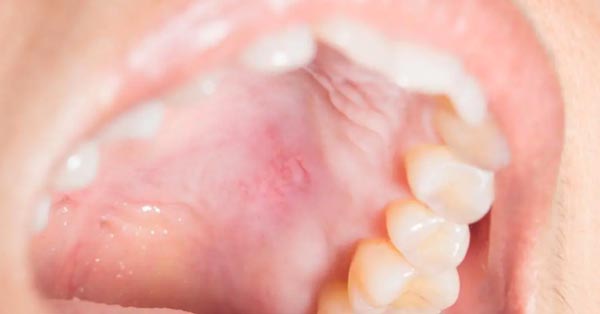
Have you ever run your tongue over the roof of your mouth and felt a strange, raised area that wasn’t there yesterday? It can be unsettling to discover a small bump on roof of mouth that comes and goes, leaving you wondering if it’s something serious or just a minor irritation. You are not alone; this is a very common oral health concern that affects millions of people, often resolving on its own but sometimes signaling an underlying issue.
In this guide, we will explore the most likely reasons for these transient bumps, how to treat them at home, and exactly when you should seek professional medical advice. We aim to provide clear, actionable information backed by dental expertise to help you feel confident about your oral health.
What Causes a Small Bump on Roof of Mouth That Comes and Goes?
When a lump appears and disappears, it usually points to a temporary condition rather than a permanent structural change. Understanding the root cause is the first step toward effective treatment. Here are the most common culprits behind these fleeting oral anomalies.
1. Canker Sores (Aphthous Ulcers)
Canker sores are small, shallow lesions that develop on the soft tissues in your mouth or at the base of your gums. Unlike cold sores, they don’t occur on the surface of your lips and aren’t contagious.
- Appearance: They often start as a tingling sensation before becoming a white or yellow center with a red border.
- Why they come and go: Stress, minor injury from brushing, or acidic foods can trigger them. They typically heal within one to two weeks without scarring.
- Expert Insight: According to the Mayo Clinic, while the exact cause is unclear, factors like emotional stress and food sensitivities play a significant role.
2. Mucoceles (Mucus Cysts)
A mucocele is a fluid-filled swelling that occurs on the lip or inside the mouth. On the roof of the mouth, these are less common than on the lower lip but can still occur if a salivary gland gets blocked or damaged.
- Characteristics: These bumps are usually painless, soft, and bluish or clear in color.
- Transient Nature: They may burst on their own, releasing the fluid, and then disappear. However, if the gland remains damaged, the bump can return.
3. Allergic Reactions (Oral Allergy Syndrome)
If you notice a bump appearing shortly after eating certain foods, you might be experiencing a mild allergic reaction. This is often referred to as Oral Allergy Syndrome.
- Triggers: Common triggers include nuts, shellfish, strawberries, or even certain toothpastes containing sodium lauryl sulfate (SLS).
- Symptoms: Along with bumps, you might experience itching or mild swelling. Once the allergen is removed from your system, the bump usually subsides within hours or days.
4. Thermal Burns (Pizza Burn)
This is one of the most frequent causes of a temporary bump on the hard palate. Eating food that is too hot can burn the delicate tissue on the roof of your mouth.
- Process: The heat damages the top layer of skin, causing a blister or raised bump.
- Healing: As the tissue heals, the bump will flatten and disappear. This process usually takes 3–7 days.
Is It Serious? Differentiating Between Benign and Concerning Symptoms
Most bumps on the roof of the mouth are benign (harmless). However, it is crucial to know the difference between a minor irritation and something that requires immediate attention.
| Feature | Benign (Likely Safe) | Concerning (See a Doctor) |
|---|---|---|
| Duration | Goes away in 1–2 weeks | Persists longer than 2 weeks |
| Pain Level | Mild discomfort or painless | Severe pain or bleeding |
| Texture | Soft, fluid-filled, or smooth | Hard, fixed, or irregular edges |
| Growth | Stays same size or shrinks | Grows rapidly in size |
| Other Symptoms | None | Fever, difficulty swallowing, weight loss |
If your bump matches the “Concerning” column, do not wait for it to go away on its own. Schedule an appointment with a dentist or oral surgeon immediately.
How to Treat a Small Bump on Roof of Mouth at Home
If you have determined that your bump is likely due to a minor issue like a canker sore or a burn, you can manage it effectively at home. Here is a step-by-step approach to speeding up healing and reducing discomfort.
Step 1: Salt Water Rinses
Salt water is a natural disinfectant that helps reduce inflammation and keeps the area clean.
- Mix 1/2 teaspoon of salt into 8 ounces (1 cup) of warm water.
- Swish the solution gently around your mouth for 30 seconds.
- Spit it out. Do not swallow.
- Repeat this 3–4 times a day, especially after meals.
Step 2: Avoid Irritants
While the bump is present, your mouth is more sensitive. Avoid foods and substances that can aggravate the tissue.
- Avoid: Spicy foods, acidic fruits (like oranges and lemons), crunchy chips, and very hot beverages.
- Choose: Soft, cool foods like yogurt, smoothies, and mashed potatoes.
Step 3: Over-the-Counter Remedies
For pain relief, you can use topical gels containing benzocaine. These numb the area temporarily, making eating and speaking more comfortable. Always follow the package instructions regarding dosage and frequency.
Step 4: Maintain Oral Hygiene
Keep your mouth clean to prevent secondary infection. Use a soft-bristled toothbrush and brush gently around the affected area. Consider switching to an SLS-free toothpaste if you suspect sensitivity.
When Should You See a Dentist or Doctor?
While home remedies are effective for minor issues, professional evaluation is necessary in specific scenarios. Delaying care can lead to complications or mask serious conditions.
You should seek professional help if:
- The bump has been present for more than two weeks without signs of healing.
- The bump is growing larger or changing color.
- You experience difficulty breathing, swallowing, or opening your mouth.
- You have a high fever or swollen lymph nodes in your neck.
- The bump bleeds easily or repeatedly.
A dentist can perform a visual examination and, if necessary, a biopsy to rule out conditions like oral lichen planus, viral infections, or, in rare cases, oral cancer. Early detection is key to successful treatment for any serious oral condition.
Frequently Asked Questions (FAQ)
1. Can stress cause a bump on the roof of my mouth?
Yes, stress can weaken your immune system, making you more susceptible to canker sores and cold sores. Additionally, stress often leads to behaviors like teeth grinding or cheek biting, which can cause physical trauma resulting in bumps.
2. Is a bump on the roof of the mouth contagious?
It depends on the cause. Canker sores and thermal burns are not contagious. However, if the bump is caused by a viral infection like herpes simplex (cold sores) or hand, foot, and mouth disease, it can be highly contagious. Avoid sharing utensils or kissing until the cause is identified.
3. Could it be oral cancer?
While oral cancer can present as a lump, it is rarely a bump that “comes and goes.” Cancerous lesions typically persist, grow, and do not heal. If a bump remains for more than two weeks, it is essential to get it checked to rule out malignancy, but remember that the vast majority of mouth bumps are benign.
4. Why does the bump keep coming back in the same spot?
Recurring bumps in the same location often indicate a chronic irritant. This could be a sharp tooth edge, ill-fitting dentures, or a habitual behavior like pressing your tongue against that spot. A mucocele may also recur if the salivary gland duct remains blocked.
5. What foods should I avoid to prevent mouth bumps?
To prevent irritation, limit your intake of highly acidic foods (citrus, tomatoes), spicy dishes, and extremely hot temperatures. If you notice a pattern with specific foods like nuts or chocolate, consider keeping a food diary to identify potential allergens.
Conclusion
Discovering a small bump on roof of mouth that comes and goes can be alarming, but in most cases, it is a temporary and harmless condition. Whether it’s a canker sore triggered by stress, a minor burn from hot food, or a mild allergic reaction, these issues usually resolve with simple home care and time.
By maintaining good oral hygiene, avoiding irritants, and monitoring the bump’s progress, you can manage most cases effectively. However, always listen to your body. If the bump persists beyond two weeks or is accompanied by other worrying symptoms, do not hesitate to consult a healthcare professional.
Found this guide helpful? Share it with friends and family on social media to help them navigate their oral health concerns with confidence. Your knowledge could be exactly what someone else needs to find peace of mind!