Have you ever felt that irresistible urge to move when a heavy bassline hits your ears? That specific, groovy sensation is exactly what George Clinton and Parliament aimed to capture with their anthem, “Give Up The Funk (Tear The Roof Off The Sucker).” This track isn’t just a song; it is a cultural touchstone that defined an era of musical liberation and rhythmic innovation.
In this article, we will dive deep into the origins, lyrical meaning, and enduring legacy of this funk masterpiece. Whether you are a lifelong P-Funk fan or a newcomer curious about 1970s music history, you’ll discover why this track remains essential listening today.
What Is the Meaning Behind “Give Up The Funk”?
To truly appreciate the track, we must first understand the phrase itself. When Parliament urges listeners to “Give Up The Funk,” they are not asking you to surrender or quit. In the context of 1970s African American vernacular and the P-Funk mythology, “giving up” the funk means releasing it, sharing it, and letting it take over your body.
The “funk” here represents a state of mind—a raw, unfiltered, and authentic expression of joy and rhythm. It is about letting go of societal constraints and inhibitions. The subtitle, “Tear the Roof Off the Sucker,” is a hyperbolic metaphor for the intensity of the party. It suggests that the energy generated by the music and the dancers is so powerful it could physically dismantle the building.
This duality—surrendering to the groove while simultaneously generating explosive energy—is the core philosophy of P-Funk. It invites the listener to participate actively, not just passively listen.
Who Wrote and Performed This Classic Track?
The mastermind behind this sonic explosion is George Clinton, the visionary leader of Parliament-Funkadelic. Released in 1975 on the album Mothership Connection, the song was credited to Parliament, but it was a collective effort involving key members of the P-Funk empire.
Key Contributors:
- George Clinton: Lead vocals and conceptual architect.
- Bootsy Collins: Iconic bass lines that drive the song’s groove.
- Bernie Worrell: Keyboard wizardry providing the synth textures.
- Maceo Parker: Saxophone contributions that add brass flair.
The song was produced under the umbrella of Casablanca Records, a label known for its disco and R&B roster during that decade. The production quality was ahead of its time, utilizing multi-layered vocal harmonies and tight rhythmic locking between the drums and bass.
For a deeper understanding of the band’s structure and history, you can refer to the detailed entry on Parliament-Funkadelic at Wikipedia.
Why Did “Give Up The Funk” Become a Cultural Phenomenon?
The success of “Give Up The Funk (Tear the Roof Off the Sucker)” was not accidental. It arrived at a pivotal moment in music history where disco was rising, and rock was becoming more polished. P-Funk offered something grittier, earthier, and more communal.
Statistical Impact
- Chart Performance: The single reached No. 15 on the Billboard Hot 100 and No. 1 on the Billboard R&B chart.
- Certification: The album Mothership Connection went Platinum, driven largely by this hit.
- Longevity: Decades later, the track remains one of the most sampled songs in hip-hop history.
Cultural Resonance
The song resonated because it celebrated Black identity and joy without apology. The lyrics reference “swamp water” and “mud,” connecting the funk to rural Southern roots, while the futuristic synthesizers pointed toward a sci-fi future. This blend of past and future created a unique aesthetic that appealed to a broad audience.
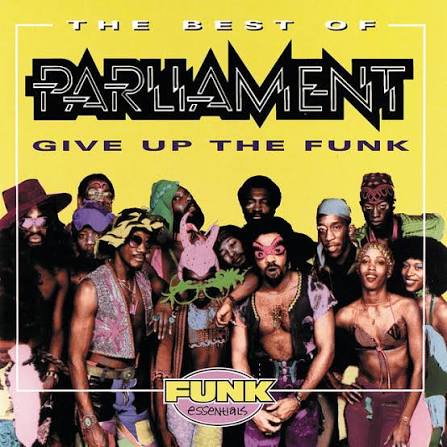
Moreover, the live performances were legendary. Parliament’s stage shows featured elaborate costumes, spaceships, and theatrical elements that turned concerts into immersive experiences. The phrase “tear the roof off” became literal in the minds of fans who witnessed these high-energy spectacles.
How Has the Song Influenced Modern Music?
The influence of “Give Up The Funk” extends far beyond the 1970s. Its DNA is embedded in countless genres, from hip-hop to electronic dance music (EDM).
Sampling Legacy
Hip-hop producers have long recognized the value of the P-Funk groove. The drum breaks and basslines from this track have been sampled by artists such as:
- Dr. Dre: Utilized P-Funk aesthetics in his G-Funk style.
- OutKast: Drew heavily from Southern funk traditions.
- Red Hot Chili Peppers: Covered P-Funk songs and cited them as major influences.
Genre Evolution
The song helped bridge the gap between soul and disco. By emphasizing the “one” (the first beat of the measure), James Brown laid the groundwork, but Parliament expanded it into a psychedelic experience. This approach influenced house music producers in Chicago and techno pioneers in Detroit, who valued repetitive, hypnotic grooves.
| Feature | Traditional Soul | P-Funk (Parliament) | Disco |
|---|---|---|---|
| Primary Focus | Vocal Melody | Rhythmic Groove | Dance Beat |
| Instrumentation | Horns, Strings | Synths, Heavy Bass | Orchestral Hits |
| Vibe | Emotional | Psychedelic/Party | Glamorous |
As shown in the table above, “Give Up The Funk (Tear the Roof Off the Sucker)” sits uniquely at the intersection of rhythmic complexity and party anthems, distinguishing it from its contemporaries.
What Are the Key Lyrics and Their Interpretation?
Understanding the lyrics enhances the listening experience. Here are some notable lines and their meanings:
- “We want the funk!”
- Interpretation: A demand for authenticity and raw energy. It is a call to action for the audience to engage.
- “Give up the funk, I need the funk.”
- Interpretation: Highlights the reciprocal nature of the performance. The band gives the funk, the audience receives it, and the energy cycles back.
- “Tear the roof off the sucker.”
- Interpretation: A vivid image of extreme enthusiasm. It implies that the party is so good it defies physical limitations.
These lyrics are simple yet effective. They do not require complex analysis to feel; they are designed to be chanted and remembered. This simplicity is a hallmark of great funk music—it prioritizes feel over intellect.
How Can You Experience the Full P-Funk Legacy Today?
If you enjoyed “Give Up The Funk (Tear the Roof Off the Sucker),” you might wonder where to go next. The P-Funk catalog is vast, but here are three steps to deepen your appreciation:
- Listen to the Entire Album: Start with Mothership Connection. Tracks like “P-Funk (Wants to Get Funked Up)” provide context for the title track.
- Explore Funkadelic: While Parliament was more R&B-oriented, Funkadelic was rock-infused. Listen to One Nation Under a Groove for a different flavor.
- Watch Live Performances: Search for archival footage of Parliament’s 1970s tours. Seeing the Mothership descend on stage adds a visual layer to the audio experience.
FAQ Section
1. What year was “Give Up The Funk (Tear the Roof Off the Sucker)” released?
The song was released in 1975 as part of Parliament’s album Mothership Connection. It became one of the defining tracks of that year.
2. Who sings the lead vocals on the track?
George Clinton provides the lead vocals, supported by backing vocals from other members of the Parliament ensemble, including Ray Davis and Grady Thomas.
3. Is “Give Up The Funk” the same as “Flash Light”?
No, they are different songs. “Flash Light” was released in 1977 on the album Funkentelechy. While both are P-Funk classics, “Give Up The Funk” is known for its chant-like structure, whereas “Flash Light” features a prominent synthesizer bass line.
4. Why is the song titled “Tear the Roof Off the Sucker”?
The phrase is slang for having an incredibly intense party. “Sucker” refers to the building or venue. The title suggests that the energy of the funk is so powerful it could destroy the ceiling, emphasizing the wild, uninhibited nature of the event.
5. Has the song been covered by other artists?
Yes, numerous artists have covered or sampled the track. Notably, the Red Hot Chili Peppers have performed P-Funk covers in live settings, and various hip-hop artists have sampled the drums and vocals in their productions.
6. What instrument plays the main riff?
The main groove is driven by Bootsy Collins’ bass guitar. His use of the muting technique and syncopated rhythms creates the signature “squishy” funk sound that defines the track.
Conclusion
“Give Up The Funk (Tear the Roof Off the Sucker)” is more than just a catchy tune; it is a testament to the power of music to unite, liberate, and energize. From its intricate basslines to its anthemic chants, the track encapsulates the spirit of 1970s funk while remaining timeless in its appeal.
By understanding the history, lyrics, and cultural impact of this song, you gain a deeper appreciation for George Clinton’s genius and the P-Funk legacy. So, the next time you hear those opening notes, remember: don’t just listen—give up the funk.
Did this article groove with you? Share it with your friends on social media and keep the funk alive!