Have you ever stopped to think about where your tongue sits when you aren’t speaking or eating? For most people, it’s an afterthought, yet its position plays a critical role in your facial structure, breathing quality, and even sleep patterns. If you have been asking yourself, “Should your tongue rest on the roof of your mouth?” the short answer is a resounding yes, and understanding the “why” and “how” can transform your overall well-being.
In this guide, we will dive deep into the science of proper oral posture, debunk common myths, and provide actionable steps to correct your tongue placement naturally. Whether you are dealing with mouth breathing, jaw pain, or simply want to optimize your health, this article is tailored for you.
Why Proper Tongue Posture Matters More Than You Think
Most of us grow up without ever being taught how to hold our tongues. We focus on brushing our teeth and flossing, but the muscular position of the tongue inside the mouth is often ignored. However, orthotropists and myofunctional therapists argue that this silence is costly.
The tongue is a powerful muscle. When it rests correctly, it acts as a natural scaffold for the upper jaw (maxilla). This support helps maintain a wide airway, promotes nasal breathing, and encourages proper facial development. Conversely, a low-resting tongue can lead to a cascade of issues, from dental misalignment to chronic fatigue due to poor oxygen intake.
According to recent studies in orthodontics, improper tongue posture is linked to mouth breathing, which dries out oral tissues and increases the risk of gum disease and cavities. By correcting this single habit, you may notice improvements in sleep quality, reduced snoring, and even a more defined jawline over time.
The Science Behind “Tongue on the Roof”
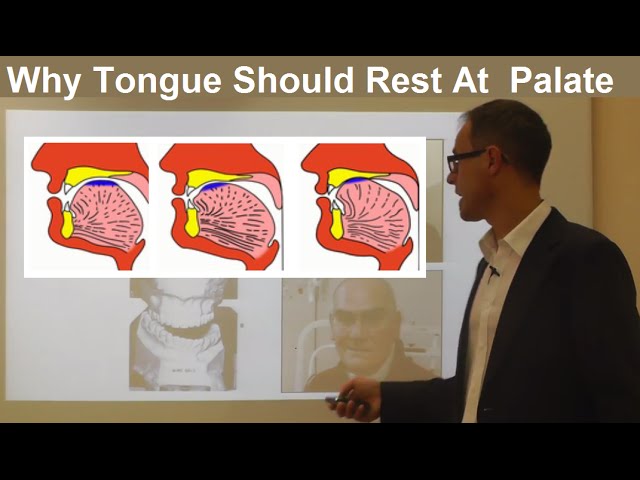
To understand why experts insist on this posture, we need to look at anatomy. The roof of your mouth is not just a ceiling; it is the floor of your nasal cavity. When the tongue presses gently against this area, it helps keep the airway open and supports the maxillary bone.
The Role of the Maxilla
The maxilla is the central bone of the face. In children, proper tongue pressure helps widen the palate, creating enough room for all teeth to erupt straight. In adults, while the bones are fused, maintaining this pressure prevents the downward and backward rotation of the face, often referred to as “long face syndrome.”
Dr. John Mew, a pioneer in orthotropics, has long advocated that oral posture dictates facial growth. While his methods are sometimes debated, the consensus among myofunctional therapists is clear: the tongue belongs on the roof.
For a deeper understanding of the anatomical structures involved, you can refer to detailed diagrams on Wikipedia’s page on the human tongue, which illustrates the complex musculature responsible for these movements.
How to Correctly Place Your Tongue (Step-by-Step)
Many people try to force their tongue up but end up straining their neck or jaw. Proper technique is subtle and relaxed. Here is how to achieve the ideal resting position, often called the “N-Spot” technique.
- Find the N-Spot: Say the word “Sing” or “King.” Notice where the back of your tongue touches as you hold the “ng” sound. That spot, slightly behind your front teeth but not touching them, is your target.
- Lift the Tip: Gently place the tip of your tongue on the ridge just behind your upper front teeth. Do not push against the teeth themselves, as this can cause them to protrude over time.
- Suction Hold: Instead of using muscular force to push up, create a slight vacuum. Swallow once while keeping the tongue in place. The suction should help hold the tongue against the palate effortlessly.
- Relax the Jaw: Ensure your teeth are slightly apart (about 2–3 mm) and your lips are sealed. Your jaw muscles should be completely relaxed.
- Breathe Through Your Nose: With the tongue sealed against the roof, nasal breathing becomes the only efficient option. Inhale and exhale slowly through your nose.
Pro Tip: If you find this difficult, start by practicing for 5 minutes a day. Set a timer on your phone. Gradually increase the duration as the muscle memory builds.
Common Mistakes People Make
Even with good intentions, many individuals fall into traps that hinder progress. Avoid these common errors:
- Pushing Against Front Teeth: This is known as a “tongue thrust.” It can lead to an open bite and protruding teeth. Always aim for the palate, not the teeth.
- Tensing the Neck: If your neck muscles feel tight, you are trying too hard. The tongue should work independently of the neck.
- Blocking the Airway: Pressing the back of the tongue too far back can obstruct breathing. The seal should be light, allowing air to flow freely through the nose.
- Forcing It During Sleep: Initially, do not worry about nighttime posture. Focus on daytime awareness first. Nighttime correction usually follows naturally after months of consistent daytime practice.
Benefits vs. Risks: A Quick Comparison
To help you visualize the impact of tongue posture, here is a breakdown of what happens when you get it right versus when you ignore it.
| Feature | Correct Tongue Posture (On Roof) | Incorrect Tongue Posture (Low/Forward) |
|---|---|---|
| Breathing | Nasal breathing promoted; better filtration | Mouth breathing likely; dry mouth & bad breath |
| Facial Structure | Supports high cheekbones & defined jaw | May contribute to receding chin & long face |
| Dental Health | Reduces risk of crowding & malocclusion | Increases risk of overbite & narrow palate |
| Sleep Quality | Reduced snoring & sleep apnea risk | Higher likelihood of snoring & disrupted sleep |
| Speech | Clearer articulation | Potential lisps or slurred speech |
Addressing Specific Concerns: People Also Ask
1. Does tongue posture really change your face shape?
In adults, dramatic skeletal changes are unlikely without surgical intervention. However, consistent proper posture can improve muscle tone in the face, reduce double chin appearance, and prevent further downward growth. In children, the impact on facial development is significant and well-documented.
2. What if I have a tongue tie?
Ankyloglossia, or tongue tie, physically restricts the tongue’s movement. If you cannot reach the roof of your mouth comfortably, you may have a posterior or anterior tongue tie. Consult a dentist or myofunctional therapist. A simple frenectomy procedure might be recommended to release the restriction.
3. Can this help with sleep apnea?
Yes, indirectly. Proper tongue posture strengthens the muscles of the upper airway, preventing them from collapsing during sleep. While it is not a cure for severe obstructive sleep apnea, it is a valuable complementary therapy alongside CPAP or oral appliances.
4. Is “Mewing” the same thing?
“Mewing” is a popular internet term coined by Dr. Mike Mew, referring to the practice of maintaining proper tongue posture. While the core principle is the same, professional myofunctional therapy offers a more comprehensive approach, including swallowing patterns and lip seal exercises.
Expert Insights on Long-Term Maintenance
Changing a lifelong habit takes time. Sarah Johnson, a certified myofunctional therapist with over 15 years of experience, states:
“Patients often expect overnight results. But retraining the neuromuscular pattern of the tongue requires consistency. It’s like going to the gym for your face. You won’t see abs after one crunch, but after six months of daily practice, the structural benefits become evident.”
To maintain this habit:
- Use Reminders: Place sticky notes on your computer or mirror.
- Check-In During Stress: We tend to drop our tongues when stressed. Use stress as a cue to check your posture.
- Stay Hydrated: Dry mouth makes it harder to maintain the suction seal. Drink water regularly.
Frequently Asked Questions (FAQ)
Q: Should my teeth touch when my tongue is on the roof? A: No. Your teeth should be slightly apart in a “rest position.” Clenching your teeth can lead to TMJ disorders and tooth wear.
Q: How long does it take to see results? A: Minor improvements in breathing and reduced dry mouth can happen within weeks. Structural or aesthetic changes typically take 6–12 months of consistent practice.
Q: Can adults benefit from this, or is it only for kids? A: Adults absolutely benefit. While bone growth has stopped, soft tissue tone, airway patency, and dental stability can still be improved significantly.
Q: What if I forget to keep my tongue up? A: Don’t panic. It is normal to forget. Gently reset your posture whenever you notice it. Over time, it will become subconscious.
Q: Is it painful to keep the tongue on the roof? A: It should not be painful. If you experience pain, you are likely tensing the wrong muscles. Relax your jaw and ensure you are using suction, not force.
Conclusion
So, should your tongue rest on the roof of your mouth? Absolutely. It is a simple, free, and non-invasive habit that supports better breathing, improved facial aesthetics, and overall oral health. While it may feel awkward at first, the long-term benefits far outweigh the initial learning curve.
Start today by checking your tongue position. Seal your lips, relax your jaw, and let your tongue float up to the palate. Your future self will thank you for the better sleep and healthier smile.
Found this guide helpful? Share it with friends who mouth breathe or struggle with jaw pain. Let’s spread the word about the power of proper oral posture!