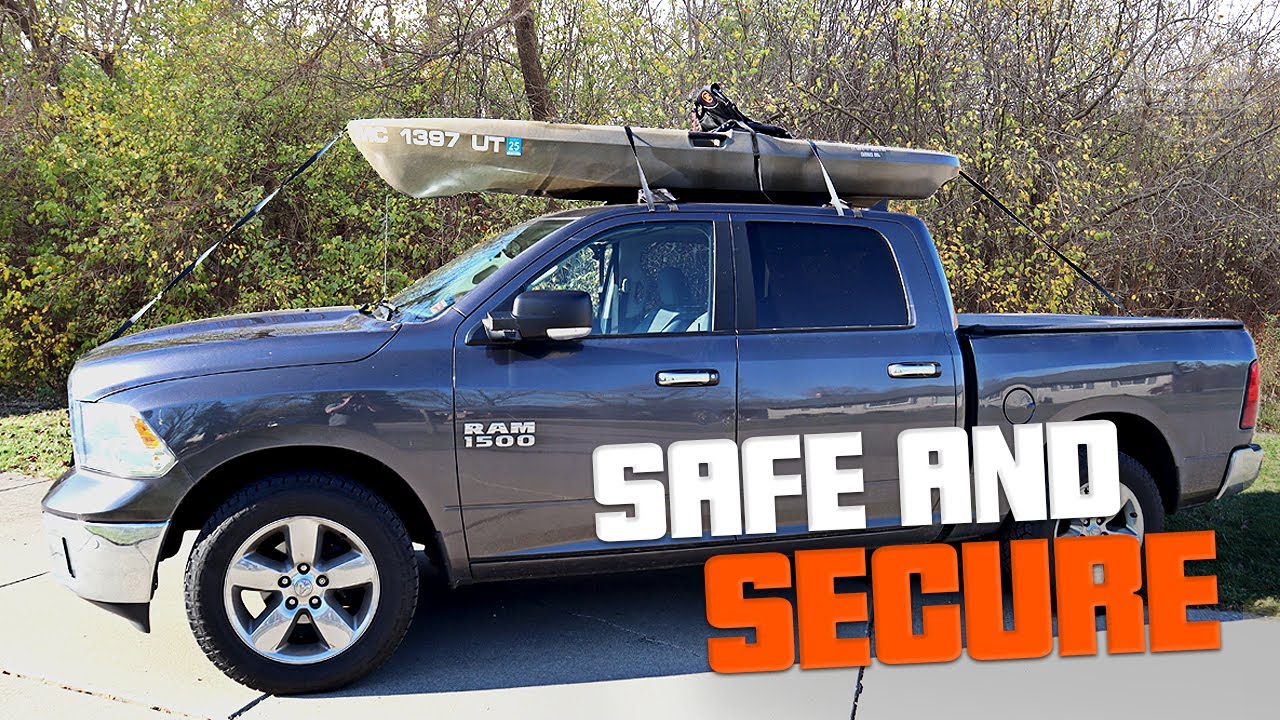
Have you ever bought a shiny new kayak only to realize your sedan doesn’t have the hardware to carry it? It is a common frustration for many outdoor enthusiasts who want to hit the water but lack specialized vehicle equipment. If you are wondering how do you transport a kayak without a roof rack, you are not alone, and the good news is that you do not need expensive modifications to get started.
With the right techniques and affordable accessories, you can safely move your vessel from your driveway to the lake. This guide will walk you through proven methods that prioritize safety, legal compliance, and the protection of your gear. Let’s dive into the practical solutions that work for everyday drivers across the United States.
Why You Don’t Need a Permanent Roof Rack
Many beginners assume that a factory-installed or aftermarket roof rack is mandatory for kayak transport. However, permanent racks can be costly, increase wind noise, and reduce fuel efficiency when not in use. According to automotive experts, removing unnecessary roof attachments can improve aerodynamics, potentially saving you money on gas over time.
The key is understanding that “roof rack” refers to the permanent crossbars. You can still utilize your vehicle’s roof or other areas using temporary, non-invasive solutions. These methods are ideal for occasional paddlers who do not want to commit to a permanent setup. By using soft ties and protective padding, you can secure a kayak firmly without drilling holes or buying heavy steel bars.
Method 1: Using Foam Block Pads (The Most Popular Solution)
If you are searching for the most accessible answer to how do you transport a kayak without a roof rack, foam block pads are likely the best starting point. These are inexpensive, lightweight, and widely available at sporting goods stores or online retailers like Amazon and REI.
How It Works
Foam blocks are curved pieces of high-density foam that sit directly on your car’s roof. They cradle the hull of the kayak, protecting both the boat and your vehicle’s paint from scratches.
Step-by-Step Installation
- Clean Your Roof: Ensure the roof of your car is free of dirt and debris to prevent scratching under the pads.
- Position the Blocks: Place two to four foam blocks across the width of your roof. Space them evenly to support the kayak’s weight distribution. Ideally, place one near the front windshield and one near the rear window.
- Lift the Kayak: With help if possible, lift the kayak upside down (hull up) onto the foam blocks. The curved shape of the blocks should fit snugly against the hull.
- Secure with Straps: Use cam buckle straps or rope to tie the kayak to the inside of your car. Thread the straps through the open car doors and close the doors on the straps (ensure they are flat and not pinched dangerously). Note: Never strap to the door handles themselves, as this can damage them.
- Add Bow and Stern Lines: Attach a rope from the front handle (bow) of the kayak to a secure point under the hood or front bumper. Do the same for the back (stern) to the trunk or rear bumper. This prevents the kayak from sliding forward or backward due to wind resistance.
Pro Tip: Always check your straps after driving for five minutes. Vibration can loosen initial knots or buckles.
Method 2: Utilizing a Pickup Truck Bed
For those with a pickup truck, transporting a kayak is often simpler than for sedan owners. You do not need a roof rack because the truck bed serves as a natural container.
Best Practices for Truck Beds
- Tailgate Down: If your kayak is longer than the truck bed, lower the tailgate. Ensure the kayak extends evenly or slightly more toward the rear, supported by the tailgate.
- Use a Bed Extender: For very long kayaks (over 14 feet), a hitch-mounted bed extender provides crucial support to prevent the hull from sagging or cracking.
- Padding is Key: Place a moving blanket or specialized truck bed mat down before laying the kayak. This prevents the plastic or fiberglass from rubbing against the rough truck bed liner.
- Tie-Down Points: Use the existing tie-down hooks in the truck bed corners. Secure the kayak at multiple points along its length to prevent bouncing.
According to the National Highway Traffic Safety Administration, unsecured loads are a leading cause of road accidents. Ensuring your kayak is tied down tightly in the truck bed is not just about protecting your gear; it is a critical safety measure for other drivers.
Method 3: Interior Transport (SUVs and Hatchbacks)
If weather conditions are poor or you are nervous about highway speeds, consider bringing the kayak inside. This method answers how do you transport a kayak without a roof rack by eliminating external risks entirely.
Steps for Interior Hauling
- Clear the Space: Remove rear seats if possible, or fold them flat. Clear out any sharp objects that could puncture the kayak.
- Protect the Interior: Lay down old sheets or tarps to protect your upholstery from mud, water, or scuffs.
- Slide It In: Insert the kayak stern-first. If it is too long, you may need to angle it diagonally.
- Secure It: Even inside the car, the kayak can become a projectile during sudden stops. Use bungee cords or straps to anchor it to seat belts or cargo hooks.
- Close the Hatch: Ensure the hatchback or trunk can close securely. If it cannot close fully, do not drive with it open unless you have a specific flag and lighting setup compliant with local laws.
Comparison: Which Method Is Right for You?
| Feature | Foam Blocks | Truck Bed | Interior Transport |
|---|---|---|---|
| Cost | Low ($20-$40) | Low (if you own truck) | Free |
| Ease of Setup | Moderate | Easy | Difficult (heavy lifting) |
| Fuel Efficiency | Slight drag | Minimal impact | No impact |
| Security | Good (with locks) | Very Good | Excellent |
| Best For | Sedans/Coupes | Pickup Trucks | Short trips/Bad weather |
Critical Safety Tips and Legal Requirements
Regardless of the method you choose, adhering to safety standards is non-negotiable. In the United States, laws regarding overhanging loads vary by state, but general federal guidelines suggest the following:
- Red Flag Requirement: If your kayak extends more than 4 feet beyond the rear of your vehicle, you must attach a red flag or cloth to the end. This alerts other drivers to the extended length.
- Speed Limits: Reduce your speed. Driving at 70 mph with a kayak on foam blocks creates significant wind lift. Stick to 55–60 mph to maintain stability and save fuel.
- Regular Checks: Stop every hour to inspect straps and ropes. Heat and vibration can weaken tension over time.
FAQ Section
1. Can I transport a kayak on my car roof without any pads?
No, you should never place a kayak directly on your car’s metal roof. The friction from wind and movement will scratch your paint and potentially dent the roof. Always use foam blocks, towels, or a blanket as a buffer.
2. Is it safe to drive on the highway with foam blocks?
Yes, it is safe if installed correctly. Ensure you use high-quality cam straps and bow/stern lines. Avoid excessive speeds (stay under 65 mph) and avoid sudden lane changes. Many paddlers successfully use this method for years.
3. What if my car has no door frames to thread straps through?
If you have a modern car with flush door handles or no traditional door frame, you may need to use “door jambs” carefully or look for specialized strap anchors that clip onto the roof edge. Alternatively, consider the interior transport method or a hitch-mounted carrier.
4. Do I need to register my kayak for transport?
Transporting a kayak does not require registration. However, once you launch it into public waters, many states require vessel registration or a launch permit. Check your local Department of Natural Resources for water-specific rules.
5. How do I secure the kayak if I don’t have bow and stern lines?
While bow and stern lines are highly recommended for stability, you can compensate by using extra roof straps. Wrap additional straps around the kayak and through the car’s interior, tightening them significantly. However, for highway driving, investing in simple rope for bow/stern support is worth the small cost for added safety.
Conclusion
Learning how do you transport a kayak without a roof rack opens up the world of paddling to anyone with a standard vehicle. Whether you choose the affordability of foam blocks, the convenience of a truck bed, or the security of interior transport, the key is proper preparation and safety checks.
You do not need expensive gear to enjoy the water. Start with what you have, invest in basic straps and padding, and always prioritize secure tying methods. Remember, a well-secured kayak is a safe kayak.
Did you find this guide helpful? Share it with your fellow paddlers on social media to help them hit the water safely!