Water stains on your ceiling are more than just an eyesore; they are a distress signal from your home’s most critical protective layer. For homeowners with cathedral ceilings, flat roofs, or truss systems that eliminate crawl space, discovering the source of a leak can feel like solving a mystery with half the clues missing. If you are wondering how to find a leak in a roof without attic access, you are not alone, and there is no need to panic.
While lacking an attic removes the easiest method of tracing water trails, it does not make detection impossible. It simply requires a more systematic, detective-like approach from both the interior and exterior of your home. This guide will walk you through professional-grade techniques to locate and address these elusive leaks safely and effectively.
Why Is Finding Leaks Harder Without an Attic?
In traditional homes with vented attics, water often travels along rafters or drips onto insulation, creating a visible trail that leads directly to the breach in the roofing material. However, modern architectural designs frequently utilize cathedral ceilings or scissor trusses. These structures create a sealed envelope between the living space and the roof deck.
When water enters this sealed space, it doesn’t drip immediately into your living room. Instead, it may travel horizontally along the underside of the roof sheathing for several feet before finding a weak point—such as a nail hole, a light fixture gap, or a seam in the drywall—to enter your home. This phenomenon is known as “water migration,” and it means the stain on your ceiling is rarely directly below the actual hole in your roof.
According to building science principles, understanding the path of least resistance for water is crucial. Without the visual aid of an attic, you must rely on logical deduction and careful observation.
Step 1: Interior Detective Work (The Safe Start)
Before climbing a ladder, start inside. Your goal is to narrow down the general area of the leak.
Analyze the Stain Pattern
Look closely at the water damage. The shape and location tell a story:
- Circular Stains: Often indicate a slow, consistent drip from a single point, such as a nail pop or small puncture.
- Linear Stains or Streaks: Suggest water running along a beam, pipe, or the slope of the roof deck before dripping.
- Discoloration Near Walls: If the stain is near the top of a wall where it meets the ceiling, check the siding or flashing in that exterior corner first.
Check Penetrations First
Most leaks do not occur in the middle of a shingle field. They happen where something penetrates the roof. From inside, look for:
- Recessed lighting fixtures.
- Ceiling fans.
- Plumbing vents (you might see a pipe boot outline).
- Chimney chases.
If you see moisture around a light fixture, turn off the electricity to that circuit immediately. Water and electricity are a deadly combination.
Step 2: Exterior Inspection (Safety First)
Once you have identified the general zone indoors, move outside. Never walk on a wet or steep roof. Use a sturdy extension ladder and binoculars for the initial survey.
Inspect Flashing and Valleys
Flashing is the metal or rubber material used to seal joints. It is the number one culprit for leaks.
- Step Flashing: Look where the roof meets a vertical wall (like a chimney or dormer). Rust, cracks, or lifted sections are red flags.
- Valley Flashing: This is where two roof slopes meet. Debris accumulation here can force water under shingles.
Examine Roof Penetrations
Check the rubber boots around plumbing vents. Over time, UV radiation causes these to crack and crumble. If the rubber looks dry or split, it needs replacement. Similarly, inspect the base of any skylights for cracked sealant.
Pro Tip: According to the National Roofing Contractors Association, improper flashing installation accounts for the majority of residential roof leaks, not shingle failure.
Step 3: The Garden Hose Test (Controlled Simulation)
If visual inspection doesn’t reveal the issue, you can perform a controlled water test. This requires two people: one on the roof (or with a hose) and one inside watching for leaks.
Safety Warning: Do not use high-pressure washers. Use a standard garden hose with a gentle spray nozzle.
- Isolate the Area: Start at the lowest point of the suspected leak area.
- Apply Water Slowly: Have your partner soak a specific section (approx. 3×3 feet) for 5–10 minutes.
- Wait and Watch: The person inside should monitor the stain. If no leak appears, move the hose up the roof slope by a few feet and repeat.
- Document Results: Note exactly which section triggered the drip.
This method mimics rain but allows you to control the variable. It helps distinguish between a leak caused by wind-driven rain (which hits sideways) and gravity-driven rain.
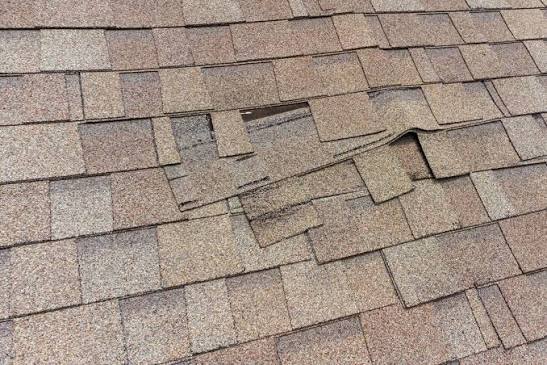
Common Culprits in No-Attic Homes
| Potential Cause | Signs to Look For | Difficulty to Fix |
|---|---|---|
| Cracked Vent Boots | Dry, crumbling rubber around pipes. | Low (DIY Friendly) |
| Failed Sealant | Cracked caulk around chimneys/skylights. | Low (DIY Friendly) |
| Ice Dam Damage | Leaks only in spring/winter; stained eaves. | High (Professional) |
| Condensation | Moisture without rain; mold growth. | Medium (Insulation fix) |
Differentiating Leaks from Condensation
In homes without attics, ventilation is key. Sometimes, what looks like a leak is actually condensation forming due to poor airflow or inadequate insulation.
- Leak: Occurs during or shortly after rain/wind. The water is usually clear (unless it picks up dust).
- Condensation: Occurs during temperature shifts (e.g., cold nights). You may see widespread dampness rather than a distinct drip point. Mold or mildew smells are common.
If you suspect condensation, check your bathroom exhaust fans. Are they venting into the roof cavity or outside? Venting into the roof structure is a major cause of moisture buildup in cathedral ceilings.
When to Call a Professional
While DIY detection is empowering, some scenarios require expert intervention:
- Steep Pitch: If your roof pitch is greater than 6:12, it is dangerous to walk on.
- Multiple Leaks: If you have stains in various rooms, the issue may be systemic (ventilation or structural).
- No Visible Source: If you’ve tried the hose test and still can’t find it, professionals use infrared thermal imaging to detect temperature differences caused by wet insulation or sheathing behind walls.
FAQ Section
1. Can I find a roof leak from inside if I don’t have an attic?
Yes, but it requires patience. You must trace the water stain to its highest point on the ceiling or wall. Remember, water travels sideways, so the entry point on the roof is likely higher up and further out than the stain suggests.
2. What is the cheapest way to find a roof leak?
The cheapest method is a thorough visual inspection using binoculars from the ground, followed by a manual garden hose test with a helper. This costs nothing but time and effort.
3. Does homeowners insurance cover roof leaks?
It depends on the cause. Insurance typically covers “sudden and accidental” damage (like a storm tearing off shingles). However, they often deny claims for leaks caused by lack of maintenance, wear and tear, or old age. Always document your findings with photos.
4. How long can a roof leak go unnoticed?
In a no-attic home, a small leak can go unnoticed for months until the drywall saturates enough to show a stain. However, structural damage to the wood sheathing can begin within weeks. Early detection is vital to prevent rot.
5. Can I use a drone to find my leak?
Yes, consumer drones with high-resolution cameras are excellent tools for inspecting roofs without climbing ladders. They can provide close-up views of flashing and shingles that are hard to see from the ground.
6. What if the leak only happens when it winds?
This indicates a failure in the side-lap flashing or a vent cap that isn’t weather-tight against horizontal rain. Focus your inspection on areas exposed to prevailing winds, such as ridge vents or gable ends.
Conclusion
Learning how to find a leak in a roof without attic space transforms a stressful situation into a manageable project. By combining interior observation with systematic exterior checks and controlled water testing, you can pinpoint the problem area with confidence. Remember, water is persistent, but so are you.
Early detection saves thousands in repair costs and preserves the structural integrity of your home. If you found this guide helpful, please share it on social media to help other homeowners tackle their roof mysteries. Stay dry, stay safe, and keep your home secure.