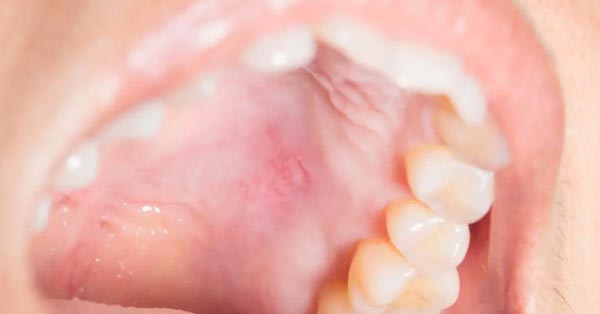
Have you ever run your tongue over the roof of your mouth and felt a strange, raised bump? It can be alarming, especially if it seems to appear out of nowhere, linger for a few days, and then vanish completely. If you are dealing with a small lump on roof of mouth that comes and goes, you are not alone, and in most cases, it is not a cause for panic.
Understanding why these transient lumps occur can help ease your anxiety and guide you toward the right care. In this guide, we will explore the most common benign causes, effective home remedies, and clear signs indicating when professional medical attention is necessary.
What Causes a Small Lump on Roof of Mouth That Comes and Goes?
When a lump appears and disappears, it usually points to a temporary irritation or a blocked gland rather than a permanent structural change. The roof of your mouth, known medically as the palate, is sensitive to heat, texture, and bacteria. Here are the primary culprits behind these fleeting bumps.
1. Canker Sores (Aphthous Ulcers)
Canker sores are small, shallow lesions that develop on the soft tissues in your mouth or at the base of your gums. Unlike cold sores, they don’t occur on the surface of your lips and aren’t contagious.
- Appearance: They often start as a tingling sensation before forming a white or yellow center with a red border.
- Why they come and go: Stress, minor injury from brushing, or acidic foods can trigger them. They typically heal on their own within one to two weeks.
- Key Trigger: High stress levels or nutritional deficiencies (like Vitamin B12, zinc, folate, or iron).
2. Mucoceles (Mucus Cysts)
A mucocele is a fluid-filled swelling that occurs when a salivary gland gets blocked or damaged. While more common on the lower lip, they can appear on the roof of the mouth.
- Mechanism: When you accidentally bite your palate or burn it with hot food, the duct leading from the salivary gland can rupture. Saliva leaks into the surrounding tissue, creating a blister-like lump.
- Transient Nature: These lumps often burst on their own, drain, and heal, only to potentially return if the gland remains damaged.
3. Thermal Burns (Pizza Palate)
This is one of the most common reasons for a temporary lump. Eating food that is too hot—like melted cheese or hot coffee—can burn the delicate tissue of the hard palate.
- Symptoms: The burned area may swell, form a blister, or feel rough and raised.
- Healing: The mouth heals incredibly fast. A thermal burn usually resolves within 3–7 days as the skin regenerates.
4. Allergic Reactions
Mild allergic reactions to certain foods, toothpaste ingredients (such as sodium lauryl sulfate), or mouthwashes can cause localized swelling or hives on the palate.
- Pattern: The lump appears shortly after exposure to the allergen and subsides once the substance is cleared from your system.
Is It Serious? Differentiating Benign vs. Concerning Lumps
Most lumps that “come and go” are benign. However, it is crucial to distinguish between harmless irritations and conditions that require medical intervention.
| Feature | Benign Lump (e.g., Canker Sore, Burn) | Concerning Lump (Requires Doctor) |
|---|---|---|
| Duration | Heals within 2 weeks | Persists longer than 2–3 weeks |
| Pain Level | Often painful or tender | May be painless initially |
| Texture | Soft, fluid-filled, or shallow ulcer | Hard, fixed, or irregular edges |
| Change | Gets smaller over time | Grows larger or bleeds easily |
| Color | White, yellow, or red | White/red patch that doesn’t wipe off |
If you notice a lump that is hard, painless, and does not resolve after two weeks, it is essential to consult a dentist or oral surgeon. While rare, persistent lumps can be signs of oral cancer or other systemic issues. For more detailed information on oral conditions, you can refer to general medical resources like Wikipedia’s entry on Oral Medicine.
How to Treat a Small Lump on Roof of Mouth at Home
If your lump is caused by a minor burn, canker sore, or irritation, you can manage it effectively at home. The goal is to reduce inflammation, prevent infection, and promote healing.
Step-by-Step Home Care Routine
- Salt Water Rinse
- Mix 1/2 teaspoon of salt into 8 ounces (240 ml) of warm water.
- Swish gently around your mouth for 30 seconds.
- Spit it out. Do this 2–3 times a day.
- Why it works: Salt water is a natural disinfectant and helps reduce swelling.
- Avoid Irritants
- Stop eating spicy, acidic (citrus, tomato), or crunchy foods (chips, nuts) that can scratch the lump.
- Avoid very hot beverages until the area heals.
- Apply Honey or Aloe Vera
- Dab a small amount of raw honey or pure aloe vera gel directly onto the lump.
- Leave it for 10–15 minutes before rinsing.
- Why it works: Both have anti-inflammatory and antimicrobial properties.
- Over-the-Counter Gels
- Use oral gels containing benzocaine for pain relief if the lump is tender.
- Follow the package instructions carefully.
When Should You See a Doctor?
While home remedies are effective for minor issues, certain symptoms warrant professional evaluation. Do not ignore the following red flags:
- Persistence: The lump has been present for more than 14 days without improvement.
- Growth: The lump is getting larger or spreading to other areas.
- Bleeding: The lump bleeds spontaneously or when touched lightly.
- Difficulty Swallowing: You experience pain or obstruction when swallowing.
- Systemic Symptoms: You have a fever, swollen lymph nodes in your neck, or unexplained weight loss.
A dentist can perform a visual exam and, if necessary, a biopsy to rule out serious conditions. Early detection is key for any oral health issue.
FAQ: Common Questions About Mouth Lumps
1. Can stress cause a lump on the roof of my mouth?
Yes, indirectly. Stress weakens your immune system, making you more susceptible to canker sores and viral outbreaks like cold sores. Additionally, stress often leads to teeth grinding or accidental biting, which can traumatize the palate and cause swelling.
2. Is a lump on the roof of the mouth contagious?
It depends on the cause. Canker sores and thermal burns are not contagious. However, if the lump is a cold sore (caused by the herpes simplex virus) or a viral infection like hand, foot, and mouth disease, it can be spread to others through direct contact or sharing utensils.
3. How long does it take for a burned roof of the mouth to heal?
Minor thermal burns usually heal within 3 to 7 days. The mouth has a rich blood supply, which accelerates tissue regeneration. If the burn is severe (blistering heavily), it may take up to two weeks.
4. Can allergies cause bumps on the palate?
Yes. Oral allergy syndrome or contact stomatitis can cause swelling, redness, or small bumps on the roof of the mouth. This is often a reaction to specific fruits, nuts, or dental products. Identifying and avoiding the trigger is the best treatment.
5. Should I pop a blister on the roof of my mouth?
No. Popping a blister increases the risk of infection and delays healing. Let it burst naturally or absorb on its own. If it is a mucocele, popping it may provide temporary relief, but it is likely to refill unless the underlying gland issue is resolved by a professional.
Conclusion
Dealing with a small lump on roof of mouth that comes and goes is a common experience that is rarely serious. In most cases, these lumps are the result of minor trauma, such as thermal burns from hot food, canker sores triggered by stress, or blocked salivary glands. By maintaining good oral hygiene, avoiding irritants, and using simple home remedies like salt water rinses, you can speed up the healing process.
However, always listen to your body. If a lump persists for more than two weeks, grows in size, or is accompanied by other concerning symptoms, seek professional advice from a dentist or healthcare provider. Your oral health is a window into your overall well-being, so never hesitate to get checked out for peace of mind.
Found this guide helpful? Share it with friends and family on social media to help them understand their oral health better!