Have you ever taken a bite of piping hot pizza or crunched down on a sharp tortilla chip, only to feel that immediate, stinging pain on the roof of your mouth? It is a surprisingly common and frustrating experience that can make eating and talking uncomfortable for days. If you are wondering how to heal cuts on the roof of your mouth effectively and safely, you are in the right place.
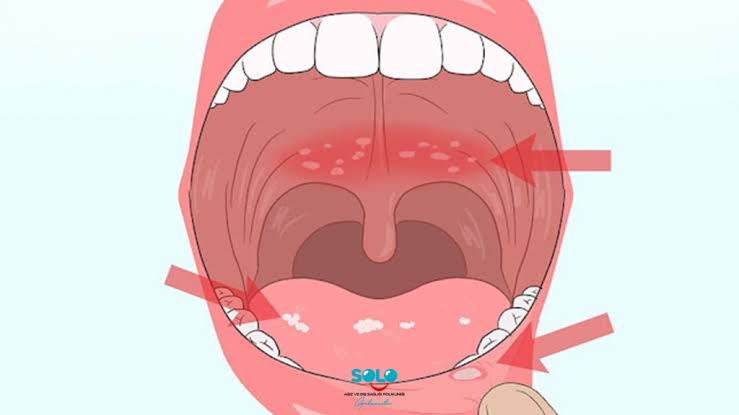
The roof of your mouth, known medically as the palate, is covered by delicate mucous membranes. While these tissues are resilient, they are susceptible to thermal burns from hot food, abrasive scratches from hard snacks, and minor injuries from dental appliances. The good news is that the mouth is one of the fastest-healing parts of the human body due to its rich blood supply. However, proper care is essential to prevent infection and minimize discomfort during the recovery process.
In this comprehensive guide, we will walk you through evidence-based strategies to soothe the pain, protect the wound, and accelerate healing. Whether you are dealing with a minor scratch or a painful burn, these steps will help you get back to enjoying your favorite foods sooner.
Why Does the Roof of My Mouth Get Cut So Easily?
Before diving into treatments, it helps to understand why this area is so vulnerable. The hard palate (the bony front part) and the soft palate (the muscular back part) are constantly exposed to friction and temperature extremes.
According to dental health experts, the most common causes include:
- Thermal Burns: Consuming food or drinks above 140°F (60°C) can damage the epithelial layer instantly.
- Abrasive Foods: Sharp-edged foods like potato chips, crusty bread, or hard candies can scrape the tissue.
- Dental Appliances: Braces, retainers, or ill-fitting dentures can rub against the palate, causing chronic irritation or acute cuts.
- Dry Mouth: A lack of saliva reduces the mouth’s natural lubrication and protective barrier, making the tissue more prone to injury.
Understanding the cause helps you prevent future injuries. For instance, if you frequently burn your palate, let your food cool for at least two minutes before eating. If braces are the culprit, use orthodontic wax to cover sharp edges.
Immediate First Aid: What to Do Right After Injury
The first 24 hours are critical for minimizing damage and setting the stage for quick healing. Here is a step-by-step protocol to follow immediately after injuring the roof of your mouth.
1. Cool the Area
If the injury is a burn, immediate cooling is vital. Rinse your mouth with cold water (around 2–8°C) for 30–60 seconds. This helps constrict blood vessels, reduce swelling, and numb the nerve endings. Avoid ice cubes directly on the wound, as extreme cold can cause further tissue damage (frostbite-like effects) on already compromised skin.
2. Clean Gently
Keep the area clean to prevent bacterial infection. Swish gently with a mild saltwater solution. Mix 1/2 teaspoon of salt into 8 ounces (240 ml) of warm water. Saltwater is isotonic and helps draw out fluid from swollen tissues while creating an environment hostile to harmful bacteria.
3. Avoid Irritants
For the first day, strictly avoid:
- Spicy foods (capsaicin increases pain signals).
- Acidic foods (citrus, tomatoes, vinegar).
- Crunchy or hard textures.
- Alcohol-based mouthwashes (they sting and dry out the tissue).
Proven Home Remedies to Speed Up Healing
Once the initial shock has passed, you can use several natural and over-the-counter remedies to promote tissue regeneration. These methods are widely recommended by healthcare professionals for minor oral wounds.
Honey: Nature’s Bandage
Honey has been used for centuries for wound healing, and modern science supports its efficacy. It possesses natural antibacterial and anti-inflammatory properties. A study published in the Journal of Clinical and Diagnostic Research highlights that honey can significantly reduce healing time for oral ulcers and minor burns.
How to use:
- Choose raw, unprocessed honey for maximum benefits.
- Apply a small dab directly to the cut using a clean finger or cotton swab.
- Let it sit for 10–15 minutes before rinsing gently.
- Repeat 2–3 times a day.
Aloe Vera Gel
Aloe vera is renowned for its soothing and cooling effects. It contains polysaccharides that stimulate skin growth and repair. Ensure you use food-grade aloe vera gel or pure gel from the plant, not topical lotions which may contain alcohol or fragrances harmful if ingested.
How to use:
- Apply a thin layer of pure aloe vera gel to the affected area.
- Leave it on for as long as comfortable.
- Rinse with cool water after 20 minutes.
Over-the-Counter Oral Gels
Products containing benzocaine or hyaluronic acid can provide temporary pain relief and create a protective barrier. Hyaluronic acid gels are particularly effective as they keep the wound moist, which is crucial for faster epithelialization (skin regrowth).
| Remedy | Best For | Frequency | Key Benefit |
|---|---|---|---|
| Salt Water Rinse | Cleaning & Disinfecting | 3-4 times/day | Reduces bacteria & swelling |
| Raw Honey | Minor Cuts & Burns | 2-3 times/day | Antibacterial & soothing |
| Aloe Vera | Thermal Burns | 2-3 times/day | Cooling & promotes cell growth |
| Milk/Yogurt | Pain Relief | As needed | Coats the mouth, neutralizes acid |
When to See a Doctor: Recognizing Warning Signs
While most cuts on the roof of the mouth heal within 3 to 7 days, some situations require professional medical attention. Ignoring severe symptoms can lead to complications such as abscesses or systemic infections.
Consult a dentist or doctor if you experience:
- Persistent Pain: Pain that does not improve after 7–10 days.
- Signs of Infection: Increased redness, pus, foul odor, or fever.
- Excessive Bleeding: Bleeding that does not stop after 10–15 minutes of applying pressure.
- Large Wounds: Cuts deeper than 1/4 inch or those with jagged edges that may require stitches.
- Difficulty Swallowing or Breathing: This could indicate significant swelling affecting your airway.
For more detailed information on oral health conditions and when to seek emergency care, you can refer to resources provided by Wikipedia which offers a broad overview of common oral lesions and their management.
Preventing Future Injuries to Your Palate
Prevention is always better than cure. Here are practical tips to keep your palate safe:
- Test Food Temperature: Always blow on hot liquids or take a small test bite of hot solids. Wait until food is warm, not scalding.
- Chew Carefully: Be mindful when eating hard, crunchy foods. Chew slowly and thoroughly to avoid sharp fragments scraping the roof of your mouth.
- Stay Hydrated: Drink plenty of water throughout the day to maintain saliva production. Saliva contains enzymes like lysozyme that help fight bacteria and keep oral tissues lubricated.
- Check Dental Appliances: If you wear braces or dentures, visit your orthodontist or dentist regularly for adjustments. Use orthodontic wax on any brackets or wires that feel sharp.
FAQ: Common Questions About Healing Mouth Cuts
1. How long does it take for a cut on the roof of the mouth to heal?
Most minor cuts and burns on the palate heal within 3 to 7 days. The mouth has a high rate of cell turnover, which facilitates rapid recovery. Deeper wounds may take up to two weeks.
2. Can I brush my teeth if I have a cut on the roof of my mouth?
Yes, you should continue brushing your teeth to maintain oral hygiene. However, be gentle around the injured area. Use a soft-bristled toothbrush and avoid letting the bristles scrub directly against the cut. You might want to skip flossing if it causes discomfort, but generally, keeping the rest of your mouth clean helps prevent infection in the wound.
3. Is it safe to use hydrogen peroxide on a mouth cut?
It is generally not recommended to use full-strength hydrogen peroxide on oral wounds. It can damage healthy tissue and delay healing. If you must use it, dilute it significantly (1 part hydrogen peroxide to 10 parts water) and rinse briefly, but saltwater is a safer and equally effective alternative.
4. Why does my cut hurt more when I eat acidic foods?
Acidic foods (like oranges, lemons, or soda) lower the pH in your mouth. Open wounds have exposed nerve endings that are highly sensitive to changes in pH. The acid irritates these nerves, causing a sharp stinging sensation. Stick to neutral-pH foods like bananas, melons, and dairy products while healing.
5. Can stress affect how fast my mouth heals?
Yes, chronic stress can weaken your immune system and increase inflammation in the body, potentially slowing down the healing process. Stress also contributes to behaviors like teeth grinding (bruxism), which can inadvertently injure the palate. Managing stress through relaxation techniques can support overall health and faster recovery.
Conclusion
Dealing with a cut on the roof of your mouth is unpleasant, but it is rarely serious. By understanding how to heal cuts on the roof of your mouth using simple, effective methods like saltwater rinses, honey applications, and careful dietary choices, you can significantly reduce pain and recovery time.
Remember, the key is to keep the area clean, avoid irritants, and give your body the nutrients it needs to repair itself. If symptoms persist or worsen, do not hesitate to seek professional dental advice.
Did you find this guide helpful? Share it with friends and family on social media to help them tackle their next kitchen mishap with confidence! Stay safe, eat wisely, and keep smiling.