Have you ever paused mid-meal or while brushing your teeth to inspect the top of your mouth, only to wonder if that slight bump or color variation is normal? It is a common concern, yet many of us lack a clear baseline for comparison. Understanding what does a healthy roof of the mouth look like can empower you to detect early signs of oral issues and maintain better overall health.
In this guide, we will break down the anatomy of a healthy palate, distinguish between normal variations and potential red flags, and provide actionable tips for keeping this sensitive area in top shape. Let’s dive into the details so you can check your smile with confidence.
The Anatomy of a Normal Palate
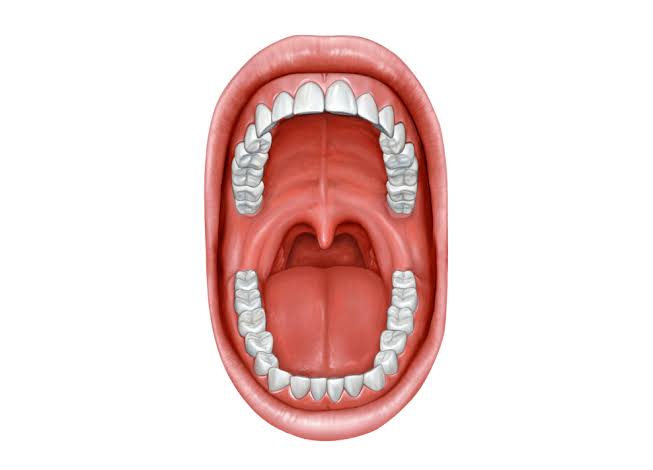
To recognize abnormalities, you first need to know what “normal” looks like. The roof of your mouth, medically known as the palate, is divided into two distinct sections: the hard palate and the soft palate. Each has unique characteristics that contribute to its function and appearance.
The Hard Palate: Front Section
The hard palate is the bony front part of the roof of your mouth, located just behind your upper teeth.
- Color: It typically appears pale pink or whitish-pink. This lighter color is due to the thick layer of keratinized tissue that protects it from the friction of chewing.
- Texture: It should feel firm and slightly rough. You might notice ridges running horizontally across it; these are called rugae palatinae. They help grip food while you chew.
- Sensation: It is generally less sensitive than the rest of your mouth because of the dense bone underneath.
The Soft Palate: Back Section
Moving further back, past the hard palate, you reach the soft palate. This area is muscular and flexible, playing a crucial role in speech and swallowing.
- Color: The soft palate is usually a darker, more vibrant pink or reddish-pink compared to the hard palate. It has a thinner mucous membrane and lacks the thick keratin layer.
- Texture: It feels smooth, soft, and movable. At the very back, you will see the uvula, the small teardrop-shaped piece of tissue that hangs down.
- Appearance: It should be free of lesions, white patches, or significant swelling.
Common Variations That Are Still Healthy
Not every mark on your palate indicates a problem. Many people have benign anatomical features that can be mistaken for issues. Knowing these can save you unnecessary anxiety.
| Feature | Description | Is It Normal? |
|---|---|---|
| Torus Palatinus | A bony growth in the center of the hard palate. | Yes. It is a benign exostosis (bone spur) and requires no treatment unless it interferes with dentures. |
| Fordyce Granules | Tiny, yellowish-white bumps often seen on the lips or cheeks, sometimes near the palate. | Yes. These are enlarged oil glands and are completely harmless. |
| Melanin Pigmentation | Darker spots or patches of brown/black pigment. | Often Yes. Common in individuals with darker skin tones. However, new or changing dark spots should be checked. |
| Linea Alba | A white line caused by friction from teeth or cheek biting. | Yes. Usually harmless, but monitor for changes. |
According to general medical consensus, structural variations like a torus palatinus affect a significant portion of the population without causing health issues. For more detailed anatomical references, you can review the structure of the human palate on Wikipedia.
Red Flags: When to Be Concerned
While variations are common, certain signs indicate that something may be wrong. If you notice any of the following, it is time to consult a dentist or healthcare provider.
Persistent Sores or Ulcers
A minor burn from hot pizza or a small cut from a chip usually heals within 7 to 10 days. If a sore persists longer than two weeks, it could be a sign of an infection, autoimmune condition, or even oral cancer. Pay attention to sores that bleed easily or do not seem to heal.
White or Red Patches
- Leukoplakia: Thickened white patches that cannot be scraped off. While often benign, they can sometimes be precancerous.
- Erythroplakia: Bright red patches that may indicate inflammation or early cellular changes.
- Thrush: Creamy white lesions that can be wiped away, often leaving a red, bleeding base. This is a fungal infection common in infants, the elderly, or those with compromised immune systems.
Unusual Lumps or Bumps
A sudden lump that grows rapidly, feels hard, or is fixed in place (doesn’t move when touched) warrants professional evaluation. Soft, fluid-filled blisters are often mucoceles (blocked salivary glands) and are usually harmless, but persistent lumps need checking.
Changes in Sensation
Numbness, tingling, or persistent pain in the roof of the mouth without an obvious cause (like a recent burn) can indicate nerve involvement or other underlying issues.
How to Maintain a Healthy Roof of the Mouth
Prevention is always better than cure. Here are practical steps to keep your palate healthy and resilient.
1. Practice Gentle Oral Hygiene
Brushing isn’t just for teeth. Gently brush your tongue and the roof of your mouth to remove bacteria and food debris. Use a soft-bristled toothbrush to avoid irritating the delicate tissues of the soft palate.
2. Stay Hydrated
Saliva is your mouth’s natural defense mechanism. It washes away food particles and neutralizes acids produced by bacteria. Aim for at least 2 liters of water daily. Dehydration can lead to dry mouth (xerostomia), increasing the risk of infections and bad breath.
3. Avoid Irritants
- Temperature: Let hot foods and beverages cool slightly before consuming. Burns to the hard palate are common and can lead to temporary tissue damage.
- Spicy Foods: If you are prone to canker sores, limit highly acidic or spicy foods that can trigger inflammation.
- Tobacco and Alcohol: Both are major risk factors for oral cancer and can cause chronic irritation and discoloration of the palate.
4. Regular Dental Check-ups
Visit your dentist every six months. They can spot subtle changes in your palate that you might miss. Early detection of oral conditions significantly improves treatment outcomes.
FAQ Section
Q1: Why is the roof of my mouth white after eating?
A: This is often due to a minor thermal burn from hot food or a reaction to certain textures. If it wipes away easily, it might be food residue or mild thrush. If it persists for more than a week, consult a dentist.
Q2: Can stress cause sores on the roof of the mouth?
A: Yes. Stress weakens the immune system, making you more susceptible to canker sores (aphthous ulcers) and cold sores. Managing stress through sleep and relaxation techniques can help reduce outbreaks.
Q3: Is it normal to have bumps on the roof of the mouth?
A: Small, symmetrical bumps (rugae) on the hard palate are normal. However, new, asymmetrical, or painful bumps should be evaluated by a professional to rule out infections or other conditions.
Q4: How long does a burned roof of the mouth take to heal?
A: Minor burns typically heal within 3 to 7 days. During this time, avoid hot, spicy, or crunchy foods. Rinsing with salt water (1/2 teaspoon of salt in a cup of warm water) can soothe the area and promote healing.
Q5: What does oral cancer look like on the roof of the mouth?
A: It may appear as a non-healing sore, a white or red patch, a lump, or an area of thickened tissue. It might also cause difficulty swallowing or numbness. Any persistent change lasting more than two weeks needs immediate professional attention.
Q6: Can allergies affect the roof of my mouth?
A: Yes. Allergic reactions to foods, medications, or environmental triggers can cause itching, swelling, or hives on the palate. If you experience sudden swelling or difficulty breathing, seek emergency care immediately.
Conclusion
Knowing what does a healthy roof of the mouth look like is a vital part of taking charge of your oral health. A healthy palate is typically pink (pale in the front, darker in the back), smooth or slightly ridged, and free of persistent sores or unusual lumps. By understanding the difference between normal anatomical variations and potential red flags, you can catch issues early and maintain a confident, healthy smile.
Remember, your mouth is a window to your overall health. Don’t ignore persistent changes. If something feels off, trust your instincts and schedule a check-up with your dentist.
Found this guide helpful? Share it with your friends and family on social media to help them stay informed about their oral health! Together, we can promote better hygiene habits and early detection for everyone.