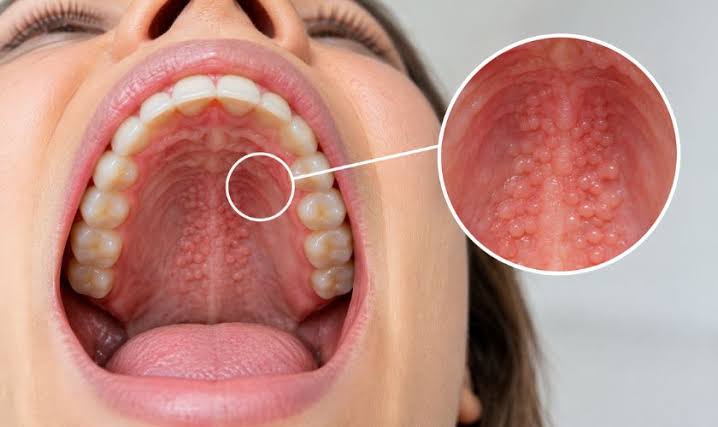
Finding a strange lump in your mouth can be an immediate source of anxiety. You might run your tongue over it constantly, wondering if it’s something serious or just a minor irritation. If you are thinking, “I have a bump on the roof of my mouth,“ you are not alone; this is a very common complaint that ranges from harmless temporary issues to conditions requiring professional attention.
In this guide, we will walk you through the most likely causes, home remedies, and clear signs that indicate you need to see a dentist or doctor. Our goal is to provide you with accurate, empathetic, and actionable information to ease your mind and help you take the right next steps.
Why Do I Have a Bump on the Roof of My Mouth?
The roof of your mouth, known medically as the palate, is divided into two sections: the hard palate (front) and the soft palate (back). Because this area is sensitive and exposed to hot foods, bacteria, and physical trauma, it is prone to various types of swellings.
Understanding the root cause is essential for proper treatment. While many bumps resolve on their own within a few days, others may persist. Below, we break down the most frequent culprits based on clinical data and dental expertise.
1. Thermal Burns (Pizza Palate)
This is arguably the most common reason for a sudden bump. Eating food that is too hot—like melted cheese or hot coffee—can burn the delicate tissue of the hard palate.
- Symptoms: A blister-like bump, redness, and tenderness.
- Healing Time: Typically 3–7 days.
- Action: Avoid hot foods and rinse with cool water.
2. Canker Sores (Aphthous Ulcers)
These are small, shallow lesions that develop on the soft tissues in your mouth or at the base of your gums. Unlike cold sores, they don’t occur on the surface of your lips and aren’t contagious.
- Appearance: White or yellow center with a red border.
- Trigger: Stress, minor injury, or acidic foods.
- Healing Time: 1–2 weeks.
3. Oral Mucoceles
A mucocele is a fluid-filled cyst that forms when a salivary gland becomes blocked or damaged. While more common on the lower lip, they can appear on the roof of the mouth.
- Texture: Soft, movable, and often painless.
- Color: Clear, bluish, or pink.
- Note: These often rupture and heal on their own but may recur.
4. Torus Palatinus
If you have had a hard, bony bump in the middle of your roof of mouth for years, it might be a torus palatinus. This is a benign bony growth.
- Characteristics: Hard, immovable, and usually painless.
- Prevalence: Affects approximately 20% of the population.
- Treatment: Generally none required unless it interferes with dentures.
5. Infections and Abscesses
A dental abscess from an upper tooth can sometimes drain or swell into the palate. This is a serious condition requiring immediate dental care.
- Symptoms: Severe throbbing pain, fever, and a pus-filled bump.
- Risk: Can spread infection to other parts of the body if untreated.
When Should You Worry? Red Flags to Watch For
While most bumps are benign, it is crucial to distinguish between a minor irritation and a potential health threat. Use this checklist to evaluate your symptoms.
| Symptom | Likely Cause | Action Required |
|---|---|---|
| Painful, white/yellow spot | Canker Sore | Home care; wait 1-2 weeks |
| Blister after eating hot food | Thermal Burn | Cool rinses; avoid irritants |
| Hard, bony, painless lump | Torus Palatinus | No action needed |
| Persistent > 2 weeks | Various | See a Dentist |
| Bleeding or rapid growth | Serious Condition | See a Doctor Immediately |
| Fever + Swelling | Infection/Abscess | Urgent Dental Care |
According to the Oral Cancer Foundation, any sore or lump that does not heal within two weeks should be evaluated by a professional to rule out oral cancer or other systemic issues. Early detection is key to successful treatment outcomes.
How to Treat a Bump on the Roof of Your Mouth at Home
If your bump is minor and caused by trauma or a canker sore, you can manage the discomfort at home. Here is a step-by-step approach to promote healing.
Step 1: Salt Water Rinse
Salt water is a natural disinfectant that reduces inflammation and kills bacteria.
- Mix 1/2 teaspoon of salt into 8 ounces (240 ml) of warm water.
- Swish the solution gently around your mouth for 30 seconds.
- Spit it out. Do not swallow.
- Repeat this 2–3 times a day, especially after meals.
Step 2: Apply Cold Compress
If the bump is swollen due to a burn or injury, cold can help numb the area and reduce swelling.
- Suck on ice chips or eat cold foods like yogurt or smoothies.
- Avoid direct application of ice to the tissue for prolonged periods to prevent frostbite.
Step 3: Avoid Irritants
Give your mouth a break from substances that can aggravate the tissue.
- Stop smoking: Tobacco slows healing significantly.
- Avoid spicy/acidic foods: Citrus, tomatoes, and hot peppers can sting open sores.
- Skip crunchy foods: Chips and nuts can physically scratch the bump.
Step 4: Over-the-Counter Relief
For pain management, you can use topical oral gels containing benzocaine. These provide temporary numbing relief. Always follow the package instructions and consult a pharmacist if you have underlying health conditions.
Medical Treatments for Persistent Bumps
If home remedies do not work, or if the bump is caused by an infection or cyst, a healthcare provider may intervene.
- Antibiotics: Prescribed if the bump is caused by a bacterial infection or abscess.
- Drainage: A dentist may need to lance and drain a large mucocele or abscess.
- Biopsy: If a lesion looks suspicious or persists without a clear cause, a small tissue sample may be taken for laboratory analysis to rule out oral cancer.
- Surgical Removal: Benign growths like large torus palatinus or persistent cysts may be surgically removed if they cause discomfort or interfere with speech and eating.
Frequently Asked Questions (FAQ)
1. Can a bump on the roof of my mouth be cancer?
While rare, oral cancer can present as a lump or sore on the palate. However, most bumps are benign. If the bump is hard, fixed in place, bleeds easily, or does not heal after two weeks, seek professional evaluation immediately.
2. How long does it take for a burned palate to heal?
Minor thermal burns usually heal within 3 to 7 days. Deeper burns may take up to two weeks. Keeping the area clean and avoiding further irritation speeds up the process.
3. Is it safe to pop a bump on the roof of my mouth?
No. You should never attempt to pop or squeeze a bump in your mouth. This can introduce bacteria, lead to severe infection, and cause unnecessary bleeding. Let it heal naturally or see a dentist for safe drainage if needed.
4. What does a syphilis sore look like in the mouth?
Secondary syphilis can cause mucous patches or snail-track ulcers on the roof of the mouth. These are typically painless, grayish-white lesions. If you suspect an STI, consult a healthcare provider for testing and treatment.
5. Can allergies cause bumps on the roof of the mouth?
Yes. Oral allergy syndrome or general allergic reactions can cause swelling, itching, and small bumps on the palate. This is often accompanied by itching in the throat or ears. Antihistamines may help alleviate these symptoms.
6. Why do I get recurring bumps on the roof of my mouth?
Recurring bumps may be linked to chronic stress, nutritional deficiencies (such as Vitamin B12, iron, or folate), hormonal changes, or ongoing irritation from dental appliances. Keeping a symptom diary can help identify triggers.
Conclusion
Discovering that “I have a bump on the roof of my mouth“ can be unsettling, but in the majority of cases, it is a temporary and harmless issue caused by minor trauma, burns, or canker sores. By maintaining good oral hygiene, avoiding irritants, and using simple home remedies like salt water rinses, you can often speed up the healing process.
However, your health is paramount. If the bump persists for more than two weeks, grows rapidly, or is accompanied by fever and severe pain, do not hesitate to consult a dental professional. Early intervention ensures peace of mind and prevents potential complications.
Found this guide helpful? Share it with friends or family who might be dealing with similar oral health concerns. Spreading awareness helps everyone take better care of their smiles!