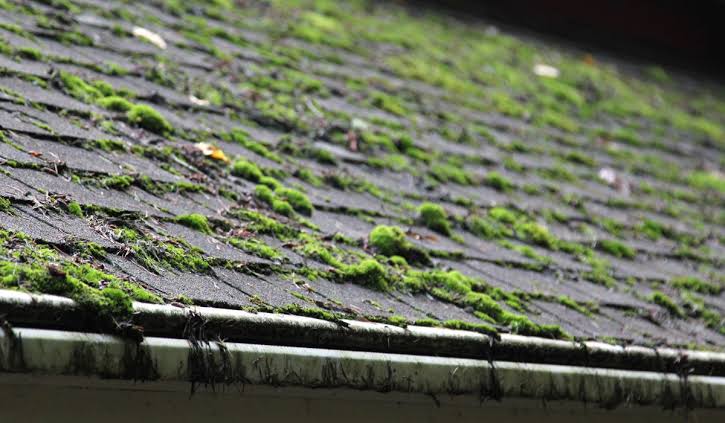
Is that green, fuzzy layer on your roof causing you sleepless nights? You are not alone. Many homeowners in humid climates struggle with this persistent issue, worrying about potential leaks and structural damage. If you are wondering how to get rid of moss on the roof shingles without damaging your home’s most critical protective layer, you have come to the right place.
Moss is more than just an eyesore; it holds moisture against your shingles, accelerating wear and tear. In this guide, we will walk you through safe, effective, and proven methods to remove moss and prevent it from returning. Let’s restore your roof’s integrity and curb appeal together.
Why Is Moss Dangerous for Your Roof?
Before we dive into the removal process, it is crucial to understand why moss is a threat. Unlike algae, which merely discolors shingles, moss has root-like structures called rhizoids. These penetrate the surface of asphalt shingles, lifting them up and breaking the seal.
According to roofing experts, trapped moisture under moss can lead to:
- Wood Rot: The decking beneath the shingles can decay.
- Granule Loss: Essential protective granules wash away faster.
- Ice Dams: In colder climates, moss traps water that freezes, causing significant damage.
A study by the Asphalt Roofing Manufacturers Association (ARMA) suggests that proper maintenance can extend the life of a roof by up to 50%. Removing moss is a key part of that maintenance.
Method 1: The Gentle DIY Chemical Approach
For most homeowners, using a specialized moss-killing solution is the safest and most effective first step. This method minimizes physical stress on the shingles.
Step-by-Step Guide
- Choose the Right Product: Look for a moss killer containing zinc sulfate or potassium salts of fatty acids. Avoid bleach-based cleaners if possible, as they can harm surrounding landscaping and corrode metal fixtures.
- Protect Your Landscape: Wet down any plants near the roofline with plain water before applying chemicals. This creates a barrier that prevents absorption of the cleaner.
- Apply the Solution: Using a garden sprayer, apply the moss killer generously over the affected areas. Ensure you cover the moss thoroughly but avoid runoff waste.
- Wait Patiently: Let the solution work for 2–3 days. You will notice the moss turning brown or yellow, indicating it is dead.
- Rinse Gently: Use a garden hose with a gentle spray nozzle to wash away the dead moss. Never use a high-pressure washer, as this can strip granules and void your warranty.
Pro Tip: Perform this task on a cloudy day. Direct sunlight can cause the chemical solution to evaporate too quickly, reducing its effectiveness.
Method 2: Manual Removal (With Caution)
If the moss patch is small, you might consider manual removal. However, this requires extreme care to avoid damaging the shingles.
Tools Needed:
- Soft-bristle brush or a plastic scraper
- Safety harness and non-slip shoes
- Garden hose
The Process:
- Safety First: Always use a sturdy ladder and consider wearing a safety harness. If your roof has a steep pitch, skip this method and hire a professional.
- Wet the Area: Lightly spray the moss with water to soften it.
- Gently Scrape: Use the soft-bristle brush to sweep the moss off the shingles. Work from the top of the roof downward to prevent water from getting under the shingles.
- Avoid Metal Tools: Never use metal scrapers or wire brushes, as they will gouge the asphalt and compromise the waterproofing.
Comparison: Chemical vs. Manual Removal
| Feature | Chemical Treatment | Manual Removal |
|---|---|---|
| Safety for Shingles | High (if done correctly) | Moderate (risk of physical damage) |
| Effort Level | Low | High |
| Effectiveness | Kills roots deeply | Removes surface growth only |
| Best For | Large areas, fragile roofs | Small spots, sturdy roofs |
| Time Required | 3–5 days (including wait time) | Immediate results |
Preventing Moss from Returning
Removing moss is only half the battle. Prevention is key to maintaining a healthy roof long-term. Here are three proven strategies to keep moss at bay.
1. Install Zinc or Copper Strips
One of the most effective long-term solutions is installing metal strips along the ridge of your roof. When it rains, tiny particles of zinc or copper wash down the roof, creating an environment where moss cannot grow.
- Zinc Strips: Cost-effective and widely available.
- Copper Strips: More expensive but last longer and offer a premium aesthetic.
2. Trim Overhanging Branches
Moss thrives in shade and dampness. Trees that hang over your roof block sunlight and drop leaves, which retain moisture. Regularly trimming these branches allows sunlight to dry out the roof surface naturally.
3. Keep Gutters Clean
Clogged gutters cause water to back up onto the roof deck, keeping shingles wet for extended periods. Clean your gutters at least twice a year—once in spring and once in fall—to ensure proper drainage.
When to Call a Professional
While DIY methods are great for minor issues, some situations require expert intervention. Consider hiring a professional roofer if:
- Your roof has a steep pitch (greater than 6:12).
- The moss covers more than 30% of the roof surface.
- You notice missing, cracked, or curled shingles.
- You are uncomfortable working at heights.
Professional cleaners often use low-pressure soft wash systems that are safer and more thorough than typical DIY approaches. According to Wikipedia, mosses are non-vascular plants that require specific moist conditions to thrive, which professionals can help mitigate through advanced treatment plans.
FAQ Section
Q1: Can I use bleach to remove moss from my roof?
A: While bleach can kill moss, it is generally not recommended. Bleach can damage surrounding vegetation, corrode metal flashings, and degrade the asphalt in shingles over time. Safer alternatives include zinc sulfate or oxygen-based cleaners.
Q2: How often should I clean moss off my roof?
A: It depends on your climate. In humid, shady areas, you may need to treat your roof every 1–2 years. In drier, sunnier climates, inspection every 3–5 years may suffice. Regular visual inspections from the ground are recommended annually.
Q3: Will pressure washing damage my shingles?
A: Yes, high-pressure washing can strip the protective granules from asphalt shingles, leading to premature aging and leaks. Most manufacturers explicitly warn against using pressure washers. Always opt for low-pressure rinsing or soft washing techniques.
Q4: Is moss removal covered by homeowners insurance?
A: Typically, no. Moss growth is considered a maintenance issue resulting from neglect or environmental factors, not a sudden accidental event. However, if moss causes significant damage that leads to a leak, the resulting water damage might be covered, depending on your policy. Check with your insurer.
Q5: Can I walk on my roof to clean it?
A: Walking on your roof can crack shingles, especially if they are old or brittle. If you must go up, wear soft-soled shoes and step carefully on the balls of your feet. However, using a long-handled brush from a ladder is often safer and less damaging.
Q6: What is the best season to remove moss?
A: Late spring or early fall is ideal. The weather is mild, allowing chemicals to work effectively without freezing or evaporating too quickly. Avoid cleaning during extreme heat or heavy rain seasons.
Conclusion
Learning how to get rid of moss on the roof shingles is an essential skill for any homeowner. By addressing moss early, you protect your investment, improve energy efficiency, and enhance your home’s appearance. Whether you choose the gentle chemical approach or opt for professional help, the key is consistency and caution.
Remember, a clean roof is a healthy roof. Start with small steps: trim those branches, clean your gutters, and inspect your shingles regularly. Your future self will thank you for the proactive care.
Did you find this guide helpful? Share it with your neighbors on social media! They might be struggling with the same green invaders, and your share could save their roof too.